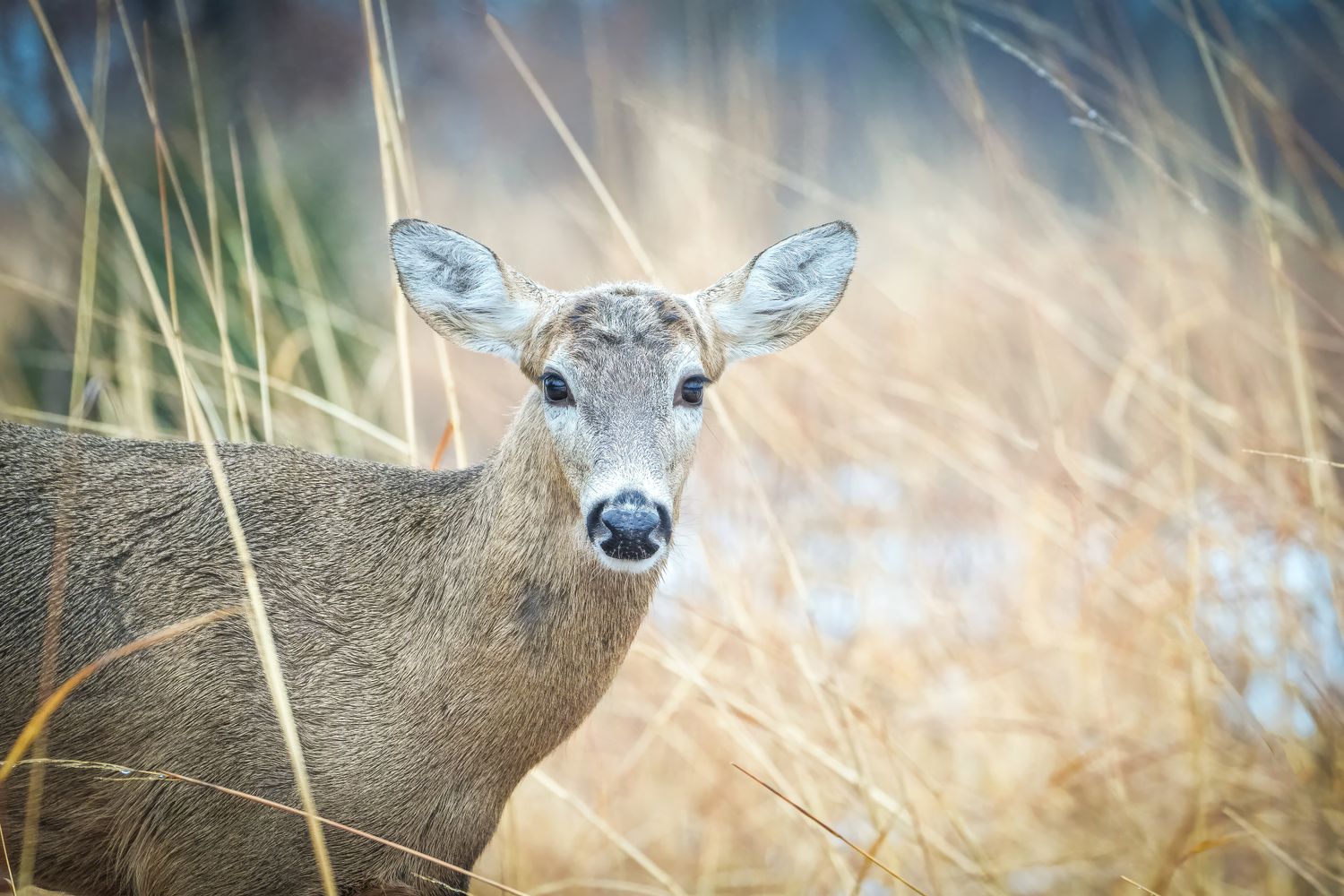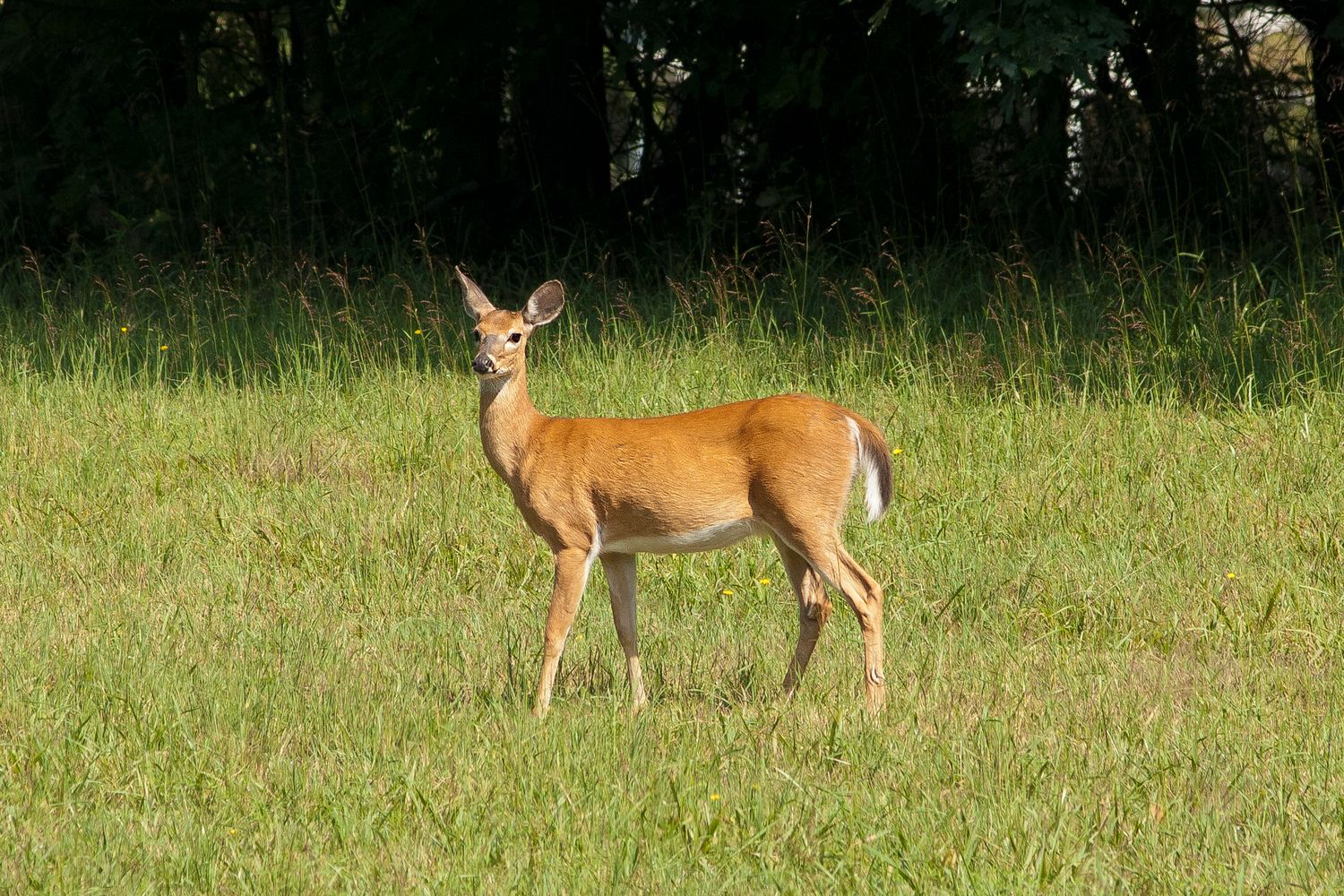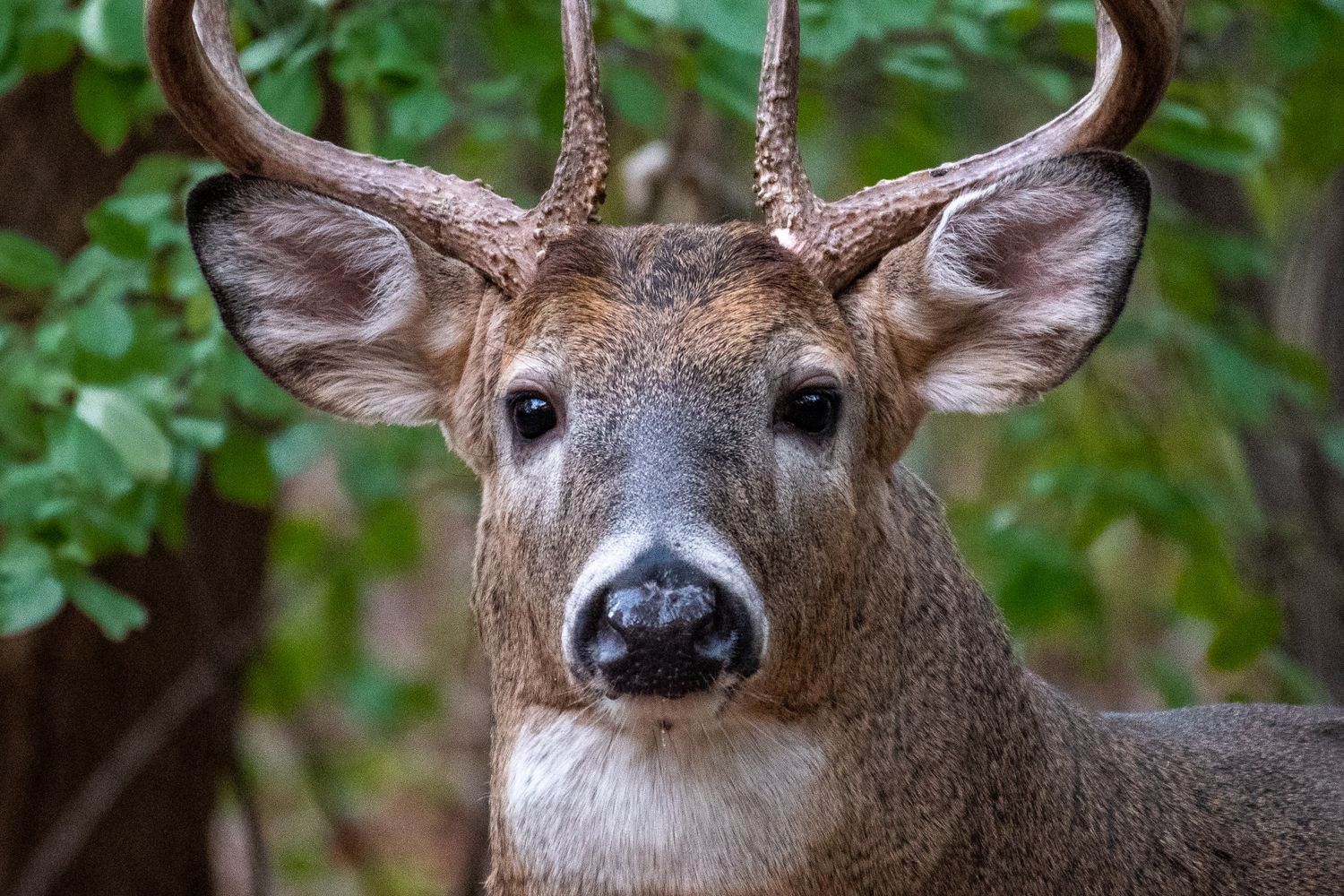
Ask a hundred serious whitetail hunters where they'd spend one week of vacation chasing a giant, and a startling number will say the same thing: Iowa. There's a reason. Iowa produces more Boone & Crockett-class bucks per square mile than almost any state in the country, and it does it on private ground — the kind of ground that gets leased, not bought. If you own timber and crop edge in southern Iowa, you're sitting on some of the most sought-after deer real estate in North America. And if you're a hunter, a lease is very often the only realistic way in, because Iowa's public land is thin and its nonresident tags are capped and hard to draw.
That combination — world-class genetics, a tight nonresident tag system, and limited public access — is exactly what makes the Iowa lease market so different from a place like Missouri or Kentucky. This guide breaks the whole thing down: what Iowa leases actually cost by region and county, what the herd and harvest data say, how the seasons and the nonresident draw work, and the legal fine print every landowner and hunter needs to get right before money changes hands.
We'll cover:
- Iowa deer hunting by the numbers — herd, harvest, trophy pedigree, and what drives lease demand
- What makes Iowa special (and why nonresidents pay a premium to hunt here)
- What Iowa leases cost — the factors that move price, plus a region-by-region quick-reference table
- Region and county pricing breakdowns for the southern trophy belt, the driftless northeast, and the row-crop north
- Best counties, segmented by trophy potential, meat hunting, and turkey
- Iowa's 2025–26 season calendar, weapons rules, and the nonresident tag draw
- Sunday hunting, CWD zones, and the full legal block — recreational-use statute, liability, trespass, and baiting law
- How to price your Iowa property in five steps, how to market it, and a landowner/hunter FAQ
Iowa Deer Hunting by the Numbers
Before you price a lease or agree to pay one, it helps to understand the raw scale of the resource. Here's the quick-facts snapshot, drawn from the Iowa Department of Natural Resources (DNR) White-tailed Deer Program Report and current regulations:
- Reported harvest (2024–25 season): 101,282 deer reported by hunters — about a 3% decrease from the prior season. Accounting for reporting non-compliance and wounding loss, the DNR calculated total hunting mortality of roughly 153,239 deer.
- Counties: 99. The state manages deer largely at the county level, and county-by-county quality varies enormously.
- Trophy pedigree: Iowa is routinely ranked at or near the top nationally for Boone & Crockett entries per square mile. Rich glacial and loess soils grow high-protein crops; long, structured firearm seasons and a capped nonresident draw let bucks reach maturity.
- Nonresident tags: Roughly 6,000 nonresident any-sex (general) deer licenses are issued statewide each year, divided among 10 hunting zones and awarded through a preference-point draw. Bowhunters receive 35% of each zone's quota.
- Sunday hunting: Legal in Iowa. There is no Sunday deer-hunting restriction — a genuine selling point versus several eastern states.
- Legal deer weapons (gun seasons): Iowa is not a high-powered-rifle state for deer. Firearm hunters use shotguns with slugs, muzzleloaders, handguns, and — since the rule change of the last several years — certain straight-walled rifle cartridges. Bottleneck centerfire rifles are not legal for deer.
- Baiting: Hunting deer over bait is illegal in Iowa.
Put simply: Iowa doesn't have the highest deer density in the whitetail world — states farther south and east carry more deer per acre — but it may have the highest deer quality. That's the number that drives lease prices here. You aren't paying for volume of encounters; you're paying for the odds that one of those encounters is with a 150-, 160-, or 170-inch deer.
Antler Management and How Iowa Grows Giants
Iowa has no statewide antler-point restriction and no mandatory buck-management units the way some states carve up their landscape. Instead, the state's trophy reputation is the product of three structural things working together, and understanding them tells you why one farm leases for $15 an acre and the next one for $45.
| Driver | What it does | Effect on lease value |
|---|---|---|
| Capped nonresident draw | Limits out-of-state gun pressure to ~6,000 tags/year across 10 zones | Bucks survive to 4.5+ years; a controlled-access lease compounds this |
| Shotgun/straight-wall-only firearm seasons | Shortens effective kill range vs. rifle states; concentrates pressure into two December weeks | Timber and river-bottom leases hold mature bucks between gun seasons |
| High-nutrition ag landscape | Corn, soybeans, and alfalfa on fertile soil = large-bodied, big-antlered deer | Farms with crop-plus-cover edge command the top of the market |
The takeaway for a landowner: the value isn't just your acreage, it's your configuration — timber that holds deer, crop edge that feeds them, and enough control over who hunts (and how hard) to let bucks get old. The takeaway for a hunter: a cheap Iowa lease on wide-open row crop with no timber is cheap for a reason. Pay attention to habitat, not just the county name on the map.
What Makes Iowa Special
It's a trophy state, not a meat state — and it's priced that way. Hunters travel from all over the country and budget for years of preference points to hunt Iowa once. That national demand spills directly into the lease market. A quality southern-Iowa farm doesn't compete only with the neighbor's asking price; it competes with what an out-of-state hunter would pay an outfitter for a comparable week. That anchors Iowa lease rates well above the regional average.
Public land is scarce and crowded. Iowa is one of the most privately owned states in the country — the overwhelming majority of huntable ground is in private hands. The public areas that exist get hammered during the shotgun seasons. For most serious hunters, private access via a lease isn't a luxury; it's the whole game. That structural scarcity is why Iowa leases rarely sit unclaimed for long.
The nonresident draw creates a predictable, motivated buyer. Because tags are capped and point-driven, a nonresident who finally draws has often waited two, three, or more years. They are highly motivated to lock in ground and highly unwilling to waste a hard-won tag on marginal habitat. If you own good ground, that's your ideal tenant — and your leverage on price.
Sunday hunting and a long archery season stretch the value. Iowa's archery season runs from early October into December, pauses for the shotgun seasons, then reopens late December through mid-January. Add legal Sunday hunting and you have a lease a bowhunter can actually use across three-plus months — which supports charging a full-season rate rather than a few-weekends rate.
What Iowa Leases Cost
There is no single "Iowa price." Reported lease rates range from about $12 per acre for lower-tier row-crop ground with little cover, up through the common $25–$35 per acre band for solid mixed timber-and-ag farms, and up to $50 per acre or more for premier, proven trophy ground in the southern counties. The spread is enormous, and it's driven by a handful of factors.
What moves an Iowa lease price up or down:
- County reputation. The southern and south-central "trophy belt" counties carry a name-brand premium. The same habitat in a northern row-crop county leases for a fraction of the price.
- Habitat mix. Timber, brushy draws, CRP grass, and a food source (crops or plots) beat open ground every time. The magic combination is cover that holds deer next to food that feeds them.
- Buck history. Trail-camera inventory of mature bucks, prior harvest photos, and neighbors who manage for age all push price up. Proof sells.
- Access control. Whether the lease is exclusive, how many guns the landowner allows, and whether neighbors pressure the deer heavily.
- Size and shape. Bigger, blockier parcels lease for more per acre than small or narrow ones, because they give deer a core area the hunter controls. (Our pricing-by-acreage benchmarks break down how the per-acre number shifts as parcels get bigger.)
- Amenities. Established stands and blinds, food plots, interior trails, a cabin or place to camp, and ATV access all add to the number.
Here's an at-a-glance quick reference. Treat these as planning ranges grounded in 2025 market activity, not guarantees — every farm is priced on its own merits.
| Region | Typical avg $/acre | Premium ground $/acre | Annual cost, 160 acres (typical–premium) |
|---|---|---|---|
| Southern / South-Central trophy belt | $30–$45 | $50+ | $4,800–$8,000+ |
| Southeast river country | $25–$38 | $45+ | $4,000–$7,200+ |
| Northeast "Driftless" bluff country | $20–$32 | $40 | $3,200–$6,400 |
| Eastern cropland corridor | $18–$28 | $35 | $2,880–$5,600 |
| Central Iowa (metro-influenced) | $15–$25 | $30 | $2,400–$4,800 |
| Northern / Northwest row crop | $10–$20 | $25 | $1,600–$4,000 |
To sanity-check a specific parcel against its habitat, acreage, and amenities, run it through the free HuntLease lease price calculator — it turns the factors above into a concrete estimate you can price a listing around.
Region and County Pricing Breakdown
Southern and South-Central Iowa — the Trophy Belt
This is the heart of Iowa's reputation and the top of its lease market. Counties like Monroe, Appanoose, Lucas, Wayne, Decatur, Ringgold, Clarke, Adair, and Union sit in a landscape of timbered ridges, brushy draws, CRP grass, and scattered crop fields — the exact structure that grows and holds giant bucks. Clarke County in particular is nationally known for trophy deer, and the broader south-central region produces a steady stream of record-book animals.
Leases here are priced accordingly. Solid farms commonly command $30–$45 per acre, and genuinely proven trophy ground — a farm with a camera history of mature bucks and controlled neighboring pressure — pushes to $50 per acre and beyond. Demand outstrips supply: quality southern-Iowa ground rarely stays on the market. A 160-acre farm in this belt realistically runs $4,800 to $8,000+ per year. Why so high? Because the buyer isn't comparing it to the county average — they're comparing it to a guided hunt, and a self-managed lease at $7,000 looks like a bargain next to years of outfitter fees.
Southeast Iowa — River Country
The southeast — Davis, Van Buren, Wapello, Jefferson, Lee, Henry, and Appanoose's eastern edge — blends big hardwood timber, the Des Moines and Mississippi river bottoms, and productive ag ground. Davis and Van Buren counties are perennial big-buck producers, and the river-bottom cover here holds deer through the December gun pressure exceptionally well. Expect $25–$38 per acre for good mixed ground, with premium river-bottom farms reaching $45+. This region rewards hunters who understand bottomland travel corridors, and it rewards landowners whose timber gives bucks a place to disappear between shotgun weeks.
Northeast Iowa — the Driftless Area
Iowa's "Driftless" northeast — Allamakee, Clayton, Winneshiek, Fayette, and Jackson — is the state's bluff country: steep ridges, hardwood timber, spring creeks, and dramatic topography that funnels deer movement. It carries more public land than the south, which tames private-lease prices somewhat, but the trophy potential is real and rising. Good ground here leases in the $20–$32 range, with standout farms reaching $40. For a hunter who values terrain-driven hunting — saddles, benches, and pinch points instead of flat crop edge — the Driftless offers some of the best value in the state.
Eastern and Central Iowa
The eastern cropland corridor — Johnson, Cedar, Jones, Linn, and Clinton — is a mixed bag of intensive row crop broken by timbered creeks and river corridors. Prices run $18–$28 for typical ground, up to $35 for farms with real cover. Central Iowa around the Des Moines metro is influenced by depredation management, controlled municipal hunts, and suburban deer; leasable rural ground here typically runs $15–$25, occasionally more where big-timber pockets survive.
Northern and Northwest Iowa
The northern and northwest counties are Iowa's most intensively farmed landscape — vast, clean row crop with thin cover and lower overall deer density. Leases are the state's most affordable, roughly $10–$20 per acre, reaching $25 where a river corridor, wetland complex, or CRP block concentrates deer. For a meat-focused hunter or someone who wants Iowa access without the trophy-belt premium, the north can be a smart, budget-friendly entry point.
County-Level Quick Reference
Zooming in from region to county, here's how the headline markets compare. Ranges are planning guides for typical-to-good ground; a truly proven trophy farm can exceed the top of any row, and open row crop can fall below the bottom.
| County | Region | Typical $/acre | Why it's priced that way |
|---|---|---|---|
| Monroe | South-central belt | $32–$50 | Iconic big-buck county; timber-and-CRP mosaic, heavy nonresident demand |
| Appanoose | South-central belt | $30–$48 | Rathbun Lake timber, strong records history, limited quality supply |
| Clarke | South-central belt | $30–$48 | Nationally known for trophy deer; premium name recognition |
| Lucas / Wayne / Decatur | South-central belt | $28–$45 | Classic ridge-and-draw trophy ground with low ag intensity |
| Davis / Van Buren | Southeast river country | $28–$45 | Big hardwood timber and river bottom that holds bucks through gun weeks |
| Wapello / Jefferson | Southeast river country | $25–$38 | Des Moines River corridor, good mixed habitat |
| Allamakee / Clayton | Driftless northeast | $22–$40 | Bluff terrain and hardwoods; more public land tempers price but quality is high |
| Winneshiek / Fayette | Driftless northeast | $20–$32 | Terrain-driven hunting, better value than the south |
| Johnson / Cedar / Jones | Eastern corridor | $18–$32 | Row crop broken by timbered creeks; access closer to metros |
| Adair / Union / Ringgold | Southwest belt edge | $25–$40 | Rolling CRP and timber, quietly excellent buck ground |
| Northwest tier (e.g., Sioux, O'Brien) | Northern row crop | $10–$20 | Intensive farming, thin cover, lower density |
A word of caution on county shopping: the county name gets a hunter in the door, but the parcel closes the deal. A middling farm in Monroe County can hunt worse than a superbly configured farm two counties over. Weigh the habitat, the neighbors, and the buck history over the map label — and price accordingly, whether you're the landowner setting the number or the hunter deciding whether it's fair.
Best Counties, by Goal
"Best" depends entirely on what you're after. Here's how to think about it, grounded in the state records program and harvest patterns rather than hype.
For a giant (trophy-first): the south-central and southern belt — Monroe, Appanoose, Lucas, Wayne, Decatur, Clarke, Davis, Van Buren, and Wapello. These counties consistently produce record-book bucks and anchor the top of the lease market. If your single goal is the biggest deer of your life and budget is secondary, this is the ground to chase.
For consistent mature bucks with better value: the Driftless northeast (Allamakee, Clayton, Winneshiek) and the southeast river counties. You give up a little name-brand cachet and gain terrain, cover, and a friendlier per-acre number.
For meat and high encounter rates: counties with liberal antlerless quotas and strong ag interfaces, including much of eastern and central Iowa. If you want to fill the freezer and hunt often, density and doe tags matter more than county reputation — and the lease costs less.
For turkey (and a deer/turkey combo lease): the timbered southern and eastern counties that hold good deer also hold excellent Eastern wild turkey populations. A spring-turkey clause can make a deer lease pay for itself across more of the year — worth negotiating into the agreement.
Iowa Seasons and Regulations (2025–26)
Always confirm dates and rules against the official Iowa DNR regulations before you hunt or write them into a lease — the DNR's published booklet is the legally binding authority. As a planning reference, here is the 2025–26 deer season structure:
| Season | 2025–26 dates | Notes |
|---|---|---|
| Youth & Disabled Hunter | Sept 20 – Oct 5, 2025 | Any deer; mentored youth and qualifying disabled hunters |
| Archery (first segment) | Oct 1 – Dec 5, 2025 | Long early bow window |
| Early Muzzleloader | Oct 11 – 19, 2025 | Separate license |
| Shotgun Season 1 | Dec 6 – 10, 2025 | Peak firearm pressure |
| Shotgun Season 2 | Dec 13 – 21, 2025 | Second gun window |
| Archery (second segment) | Dec 22, 2025 – Jan 10, 2026 | Late bow reopens |
| Late Muzzleloader | Dec 22, 2025 – Jan 10, 2026 | Runs with late archery |
| January Antlerless | Jan 11 – 25, 2026 | Where antlerless quotas remain |
Shooting hours for all deer seasons are one-half hour before sunrise to one-half hour after sunset.
Legal weapons. Archery equipment is legal throughout the bow segments. During gun seasons, Iowa deer hunters use shotguns with slugs, muzzleloaders, handguns, and legal straight-walled rifle cartridges; conventional bottleneck centerfire rifles remain illegal for deer. This shotgun/straight-wall structure is a big reason Iowa's bucks reach maturity — it keeps effective firearm range shorter and concentrates the gun kill into two December weeks.
Nonresident Licenses and the Draw — Read This Before You Lease
This is the single most important thing an out-of-state hunter must understand: you cannot simply buy an Iowa deer tag over the counter. Nonresident any-sex (general) deer licenses are capped at roughly 6,000 statewide, split across 10 zones, and awarded by a preference-point draw. Bowhunters get 35% of each zone's quota; the remainder goes to firearm hunters. Unsuccessful applicants earn a preference point each year, and tags go to the highest point-holders first, so popular zones can take multiple years to draw.
The practical cost for a nonresident deer hunt, based on current Iowa fees, looks like this:
- Nonresident hunting license: $131
- Nonresident habitat fee: $15
- Nonresident any-sex + antlerless deer tag combo: $498 (includes one any-sex and one antlerless tag)
- Total deer application: about $644, plus applicable fees
- Preference point (if applying to build points): $60.50
Why this matters for leasing: the tag system creates a two-step commitment. A nonresident often secures a lease and navigates the draw, sometimes holding a lease through a point-building year. Smart landowners and hunters build this into the agreement — for example, a multi-year lease that spans the point-draw cycle, or a clause addressing what happens in a year the tenant doesn't draw. Iowa residents don't draw for a general tag, so a resident tenant is a simpler counterparty on this front.
Sunday Hunting
Good news, and a real selling point: Sunday deer hunting is legal in Iowa, with no statewide Sunday closure. Combined with the long archery seasons, that gives a leaseholder full weekend access across three-plus months. If you're a landowner writing a listing, say so plainly — hunters coming from Sunday-restricted states value it highly.
Chronic Wasting Disease (CWD)
CWD is an established and expanding reality in Iowa, and both parties to a lease should know where things stand. Chronic wasting disease had been confirmed in 29 of Iowa's 99 counties as of the 2024–25 surveillance season, with first-time detections that year in Shelby, Pottawattamie, Davis, Wapello, Cedar, and Story counties. By mid-2026 the DNR's footprint had grown to roughly 39 counties and about 715 positive wild deer.
What that means on the ground:
- Check current management zones. The DNR designates surveillance and management areas and may add special antlerless seasons or carcass-transport and disposal rules in affected counties. Confirm your lease county's status on the DNR CWD page before the season.
- Carcass movement. Follow the DNR's rules on transporting carcasses and high-risk parts out of CWD areas; these change as the map changes.
- Testing. Free or low-cost testing is often available in surveillance counties — a good practice for any hunter, and a reasonable expectation to note in a lease.
- Pricing impact. CWD detection in a county does not, by itself, tank lease value in Iowa — demand for trophy ground has stayed strong — but it does add regulatory homework and can bring extra antlerless-harvest expectations. Transparency between landowner and hunter is the right move.
Iowa also sees periodic EHD (epizootic hemorrhagic disease) outbreaks in dry late summers, which can locally thin deer numbers along river bottoms for a season or two. It's worth a conversation if a recent outbreak hit the property.
The Legal Block — Recreational-Use Statute, Liability, and Leases
This section is general information, not legal advice — Iowa statutes have real nuance, and you should confirm specifics with a local attorney. But every Iowa landowner and hunter should understand the basics before signing anything.
Iowa's recreational-use statute (Iowa Code Chapter 461C). Iowa, like most states, limits a landowner's liability when they open their land for recreational use — including hunting — to others. The core protection generally applies when access is granted without charge. That "without consideration" element is the catch every leasing landowner must understand: charging a lease fee can change your standing under the recreational-use protections. This is precisely why a hunting lease should not lean on the recreational-use statute as its liability shield. Instead, protect yourself with a written lease that includes a liability release and indemnification, and with the right insurance. Talk to a local attorney about how Iowa's statute treats paid access on your specific facts.
Liability insurance. Standard farm or homeowner policies frequently exclude or under-cover a commercial hunting-lease arrangement. Before you lease, confirm coverage in writing with your carrier or add a hunting-lease liability policy. Requiring the tenant to carry a hunt-lease liability policy that names you as additional insured is common and inexpensive relative to the risk. Our hunting lease insurance guide for landowners walks through what farm policies do and don't cover, and our breakdown of whether you're liable if a hunter gets hurt on your land covers the release-and-indemnity language that actually protects you.
A written lease is non-negotiable. A handshake deal is how good relationships turn into lawsuits. At minimum, an Iowa hunting lease should spell out:
- The exact property, boundaries, and any excluded areas
- The lease term and precise dates of access
- The fee, deposit, and payment schedule
- Number of hunters permitted and whether guests are allowed
- Permitted activities and seasons (deer only, or deer plus turkey, small game, etc.)
- A liability release and indemnification clause
- An insurance requirement
- Rules on stands, blinds, ATVs, food plots, and property alterations
- A no-sublease / no-transfer clause
- Termination, renewal, and dispute-resolution terms
You can start from our free hunting lease agreement template and adapt it to Iowa and to your property.
Trespass and posting. Hunting on private land in Iowa requires the landowner's permission — the burden is on the hunter to know whose ground they're on. Landowners can post their boundaries, and it's wise to do so clearly. Because posting and marking rules can be technical, confirm current requirements with the DNR or a local attorney rather than assuming another state's purple-paint or signage rule applies here. For leaseholders, walk and flag your boundaries with the landowner before opening day so there's no ambiguity about where the lease ends.
Baiting. Hunting deer over bait is illegal in Iowa. Food plots of growing crops are legal and are a normal part of habitat management, but placing bait (grain, minerals used as an attractant during season, etc.) to hunt over crosses the line. Write a "no baiting / comply with all DNR rules" clause into the lease so a tenant's violation doesn't become the landowner's problem.
How to Price Your Iowa Property in Five Steps
If you own Iowa ground and want to lease it, here's a repeatable way to land on a fair, market-based number instead of guessing.
- Start with your regional base rate. Use the quick-reference table above to find your region's typical per-acre range. A southern-belt farm starts around $30–$45; a northern row-crop farm starts around $10–$20.
- Adjust for habitat and buck history. Add for timber, cover, water, food plots, and — most of all — a documented history of mature bucks. Subtract for open ground, heavy neighboring pressure, or lack of cover. Proof (trail-camera photos, prior harvests) is worth real money.
- Run the calculator. Plug your county, acreage, habitat, and amenities into the HuntLease lease price calculator to convert those adjustments into a concrete estimate you can defend to a prospective tenant.
- Decide per-acre vs. per-hunter, and set your access rules. Per-acre pricing rewards bigger parcels; per-hunter pricing can earn more on smaller, high-quality farms where you cap the number of guns. Fewer hunters usually means older bucks — and older bucks mean you can charge more next year. Our guide to how much to charge for a hunting lease works through both models.
- Factor in size and exclusivity. A blocky 200-acre exclusive lease commands a higher per-acre rate than a narrow 60-acre strip shared with the neighbor's pressure. Price the experience you're actually offering, and be honest about it.
For a broader picture of how Iowa stacks up against neighboring states, our state-by-state hunting lease price comparison puts the Midwest trophy belt in context, and the Missouri hunting lease guide is a useful side-by-side for hunters weighing the two big-buck neighbors.
How to Find and Vet an Iowa Lease (for Hunters)
Finding good Iowa ground is a different problem than finding a tag. The tag is a draw you plan for; the lease is a market you work. Here's a practical approach.
- Pick your zone before your county. Because nonresident tags are drawn by zone, decide which zone you can realistically draw (or already hold points for), then focus your lease search inside it. Leasing a phenomenal farm in a zone you can't draw for years is a slow way to waste money.
- Search by county and habitat, not just price. Filter listings to the counties above, then read for the things that actually matter: timber and cover acreage, crop or food-plot edge, water, and any stated buck history. Browse current Iowa listings to see what's available and how comparable parcels are priced.
- Ask for proof and boundaries. Request trail-camera photos, a parcel outline or plat, and an aerial image. Ask how many years the ground has been managed and how many guns hunt it. Vague answers are a signal.
- Confirm exclusivity and neighbor pressure. Ask whether the lease is exclusive, how the neighbors hunt, and whether the landowner or family also hunts the ground. Mature-buck odds live and die on pressure.
- Get it in writing and insured. Insist on a written lease with clear dates, a liability release, and an insurance arrangement — it protects you as much as the landowner. Adapt the free lease agreement template if the landowner doesn't have one.
- Plan a summer scout. If you can, walk the property before the season with permission. Learn the timber, the pinch points, the bedding, and the crop rotation. An Iowa lease is a multi-year investment; the hunters who kill big deer here are the ones who know their ground cold.
Once you're on the ground, early-season scouting is what separates a good lease from a filled tag — glass the fields at last light, inventory bucks on camera through the summer velvet, and map travel between bedding and food before the pressure of December arrives.
Marketing Your Iowa Lease
Iowa ground doesn't need much marketing — good farms move fast — but presenting it well gets you the right tenant at the right price. A few practical rules:
Write a listing title that leads with the county and the draw. Do: "Exclusive 180-Acre Monroe County Timber/Ag Deer Lease — Trophy History, Zone 5." Don't: "Great hunting land for lease, call for details." Serious Iowa hunters search by county and zone; give them exactly what they're scanning for.
Show proof. Trail-camera photos of mature bucks, a plat outline of the parcel, an aerial that shows timber-to-crop edge, and honest notes on stand locations do more than any adjective. If you've managed for age, say how many years and how many guns you've allowed.
Target the right buyer. Your best tenants are typically (1) nonresidents who draw or build points for your zone and want proven ground, and (2) serious in-state hunters who value exclusivity. List your parcel and reach both markets through HuntLease Iowa listings, and point prospective tenants to the landowner resources so they understand how the process works.
Screen your hunters. Before you hand over a gate code, ask the questions that predict a good tenant: How many hunters, and who are they? What's your harvest philosophy — do you pass young bucks? Do you carry hunt-lease liability insurance? Have you leased before, and can I contact a prior landowner? Red flags include vagueness about the number of hunters, resistance to a written lease or insurance, and pressure to skip the paperwork. The right tenant will welcome the structure — it protects them too.
Frequently Asked Questions
For Landowners
How much can I realistically charge for my Iowa farm? It depends on region, habitat, and buck history. A quality southern-belt farm can command $30–$50 per acre; a northern row-crop parcel might bring $10–$20. Start with your regional range above, adjust for cover and proven bucks, and confirm with the calculator.
Does charging a lease fee affect my liability protection? It can. Iowa's recreational-use statute generally protects access granted without charge, so a paid lease should rely on a written liability release, indemnification, and proper insurance rather than the statute. Talk to a local attorney about your specific situation.
Will CWD in my county hurt my lease value? Not dramatically. Demand for good Iowa ground has held up. CWD mainly adds regulatory homework — carcass rules, possible extra antlerless expectations — and rewards transparency with your tenant. Check the DNR's current management-zone map for your county.
Should I lease to a resident or a nonresident? Both work. A nonresident is often willing to pay a premium for proven ground but must navigate the tag draw; a resident is a simpler counterparty since they don't draw for a general tag. A multi-year lease that spans the point cycle can make a nonresident tenant more stable.
For Hunters
Can I just buy an Iowa nonresident deer tag? No. Nonresident any-sex tags are capped at about 6,000 statewide and awarded by a preference-point draw across 10 zones. Popular zones can take multiple years of points. Budget for the draw, not the counter — and don't lease ground for a season you haven't secured a tag for without a clause addressing it.
What should an Iowa lease cost me as a hunter? For a good mixed timber-and-ag farm, plan on roughly $25–$35 per acre, more in the southern trophy belt, less in the north. On 160 acres that's commonly $4,000–$7,000+ per year. Compare that to years of outfitter fees and it's often the better long-term play.
Is Iowa really worth the cost and the wait? For a trophy-focused hunter, many say yes — the odds of encountering a genuinely mature buck are among the best in the country. If your goal is meat and frequent action rather than a wall-hanger, cheaper ground in eastern or northern Iowa (or a neighboring state) may serve you better.
What gear should I bring for an Iowa hunt? Iowa's December shotgun seasons are cold and its terrain varies from flat crop edge to steep Driftless bluffs, so pack accordingly — quality late-season hunting boots, a pack that can haul gear in and meat out (see our hunting backpack buyer's guide), and cameras to inventory your ground before the season (our trail camera guide covers the current options).
Helpful Resources
For the legally binding rules, tag information, and disease updates, go straight to the primary sources rather than any third-party summary:
- Iowa DNR — Deer Hunting: season dates, weapons rules, and license information (iowadnr.gov).
- Iowa DNR — Nonresident Hunting Licenses: the draw, quotas, preference points, and fees.
- Iowa DNR — Chronic Wasting Disease: current management zones, carcass rules, and testing locations.
- Iowa DNR — White-tailed Deer Program Report: the annual harvest and population data behind this guide.
- Hunting-lease insurance overview: see our insurance guide for landowners and the landowner liability breakdown.
- HuntLease tools: the lease price calculator, Iowa listings, and landowner resources.
Ready to Price or Find an Iowa Lease?
Iowa is a trophy state with a tight tag system and scarce public land — which is exactly why a well-structured private lease is the smartest way in for hunters and one of the best income opportunities for landowners. If you own Iowa ground, run it through the free lease price calculator and get it in front of serious hunters with a HuntLease listing. If you're hunting, start your search on the Iowa listings page and lock in your ground before the draw results come out.
Last updated: August 3, 2026. This guide is general information for educational purposes and is not legal, tax, or insurance advice. Season dates, license fees, tag quotas, and CWD zones change — always verify current rules with the Iowa Department of Natural Resources, and consult a licensed Iowa attorney or insurance professional before signing a lease.