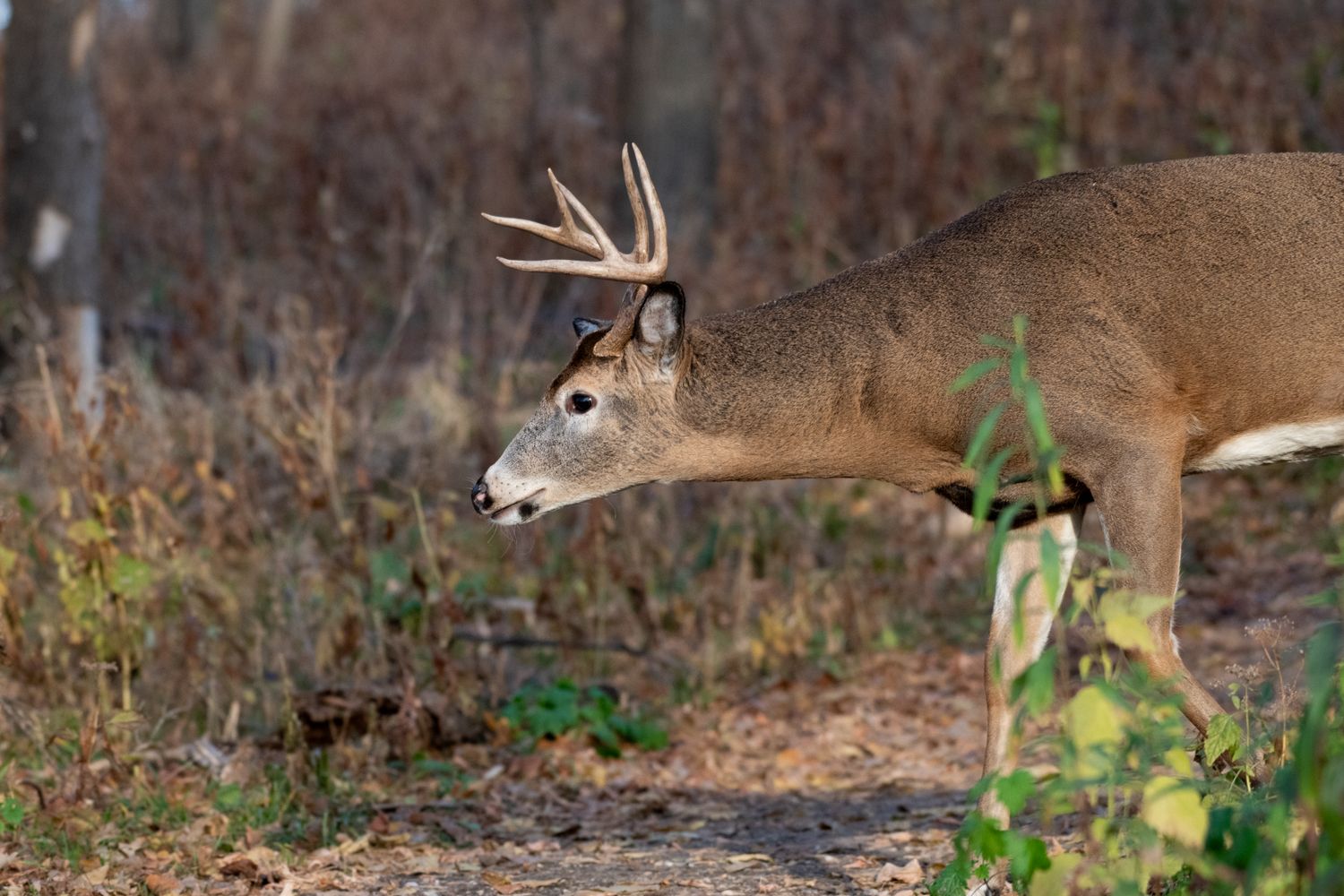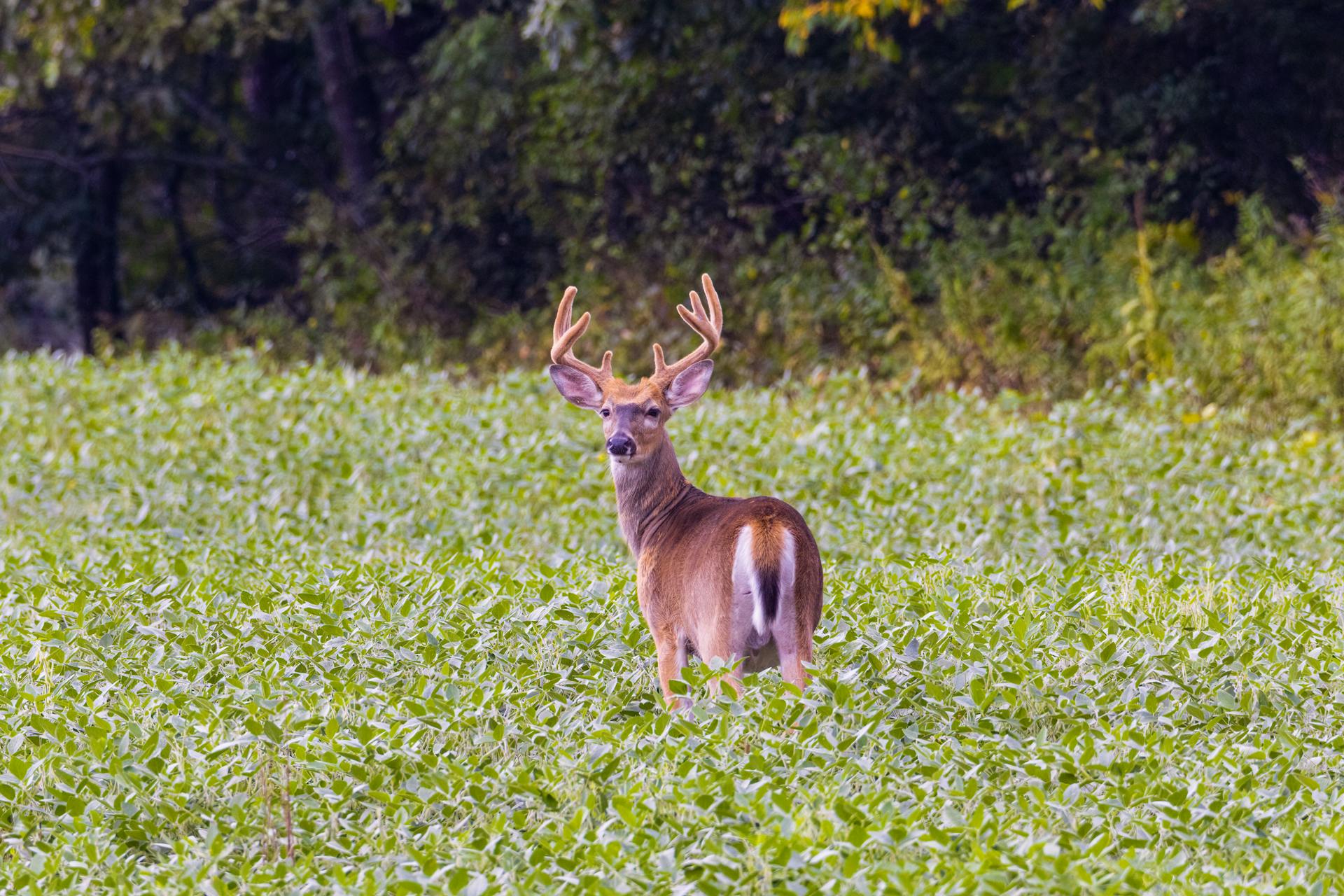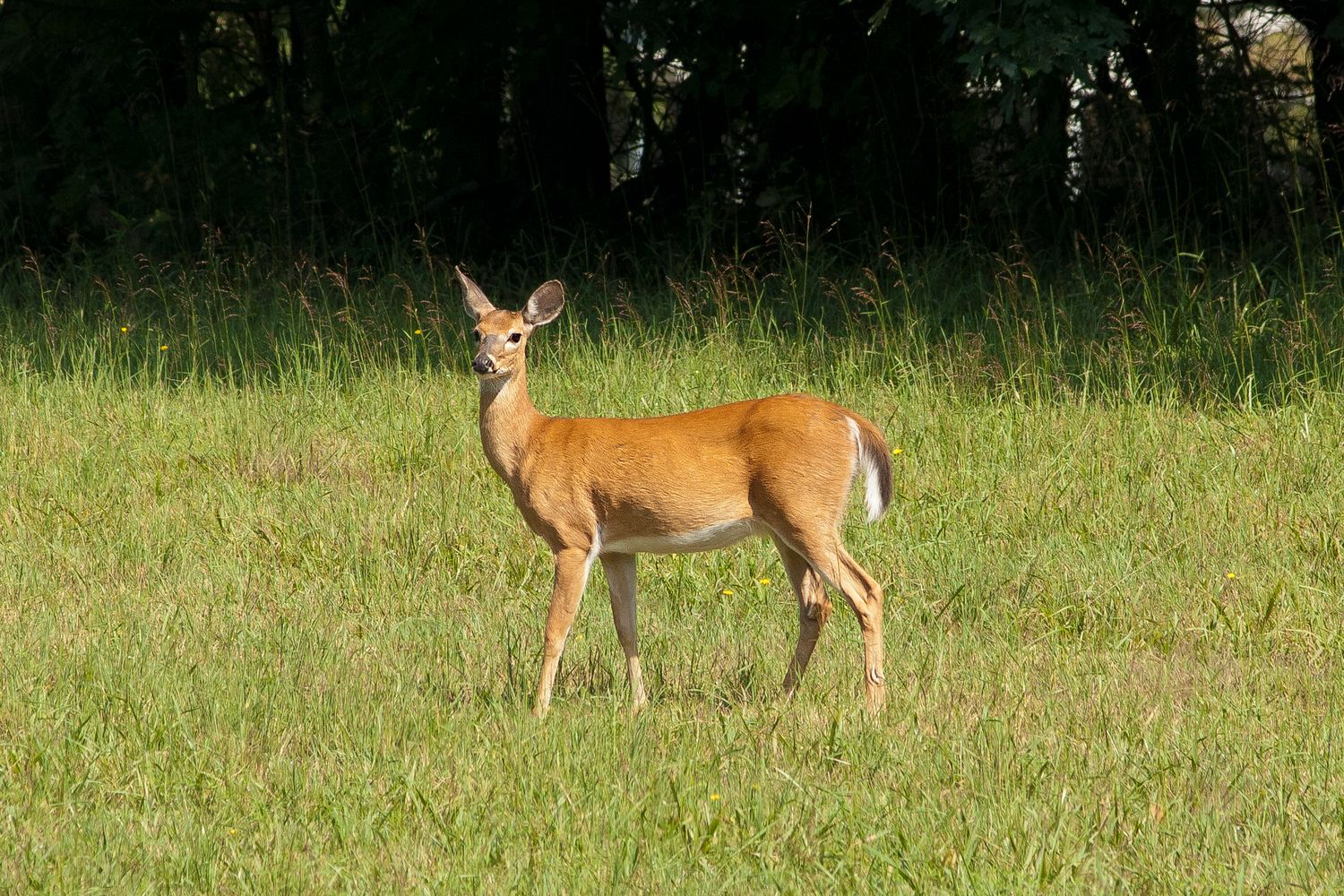
Mississippi isn't just a deer-hunting state — it's a deer-hunting machine. With a herd estimated at roughly 1.75 million white-tailed deer on a land base smaller than Missouri or Iowa, the Magnolia State runs one of the densest whitetail populations in the country, and hunters still take home close to 280,000 deer a year while state biologists ask them to shoot more. Add legal Sunday hunting, a season that stretches from a September velvet weekend into late January, and the loess-soil counties that quietly produce the state's biggest bucks, and you have one of the best deer-per-dollar lease markets anywhere in the Southeast.
For landowners, the opportunity is straightforward. Deep South lease rates are reasonable, inventory is decent, and a well-managed tract in the right county is a genuine income asset that offsets property taxes and rewards good habitat work. For hunters, the math is just as clear: public ground in the national forests and WMAs gets pounded every season, and a private lease is the difference between hunting quiet, quality deer and fighting a crowd on opening morning.
Whether you own bottomland hardwood in the Delta, a loess ridge along the Big Black River, or industrial pine in the Piney Woods, this guide will help you understand the Mississippi hunting lease market in 2026. Every figure here is grounded in Mississippi Department of Wildlife, Fisheries, and Parks (MDWFP) data, Mississippi statute, and current market rates — not guesswork.
We'll cover:
- Current deer and turkey seasons and Mississippi-specific regulations
- Lease pricing benchmarks by region and county
- The best Mississippi counties for trophy whitetails, big-bodied Delta deer, and turkey
- The four Deer Management Units and how their antler rules shape price
- The North Mississippi CWD Management Zone and what it means for leases
- EHD, baiting, and supplemental-feeding rules
- Legal considerations, liability, and the anatomy of a solid lease
- How to price and market your property
Let's get into it.
Mississippi Hunting Quick Facts
Before we talk numbers, here's what makes Mississippi's hunting market distinct.
By the Numbers
- ~1.75 million white-tailed deer statewide — among the highest deer densities in the U.S.
- ~280,000 deer harvested annually; MDWFP actively encourages higher antlerless harvest to manage the population.
- Four Deer Management Units (Delta, North Central, Hills, Southeast), each with its own antler rules and, in some cases, bag limits.
- Typical lease price: roughly $8–$25 per acre across most of the state, with prime Delta and river-bottom ground running $30–$50+ per acre.
- Sunday hunting is fully legal statewide — no blue-law closure.
- Legal weapons: no caliber or magazine-capacity restrictions on firearms during gun season; crossbows and vertical bows both legal in archery.
- Trophy pedigree: the loess-soil counties along the Big Black River (Madison, Claiborne, Yazoo, Hinds, Adams) produce the state's biggest bucks.
Antler Rules by Deer Management Unit
This is the part that trips up hunters new to a Mississippi lease. A "legal buck" is defined differently depending on which DMU your property sits in — and that directly affects what a lease is worth.
| Deer Management Unit | Legal buck definition | Buck limit | Notes |
|---|---|---|---|
| Delta | Inside spread ≥ 12", or one main beam ≥ 15" | 1/day, 3/season | Strictest rule; protects young bucks, grows quality |
| Hills | Inside spread ≥ 10", or one main beam ≥ 13" | 1/day, 3/season | Covers most of the state |
| Southeast | Inside spread ≥ 10", or one main beam ≥ 13" | 1/day, 3/season | South of U.S. 84, east of MS 35 |
| North Central | No antler restriction | 1/day, 4/season | Alcorn, Benton, DeSoto, Marshall, Tate, Tippah counties |
Statewide antlerless limit on private land is five deer. Before you sign any Mississippi lease, pin down which DMU the property falls in — it changes what you can legally shoot, how many bucks you can take, and, on the Delta, how much a mature buck is worth to the hunt.
What Makes Mississippi Special
Enormous deer density. Mississippi packs a huge herd onto a modest footprint, which means even average timber holds deer and good habitat can be genuinely crowded with them. For a meat hunter or a family after consistent freezer-filling action, that density is the whole point — you rarely have to buy a "trophy" lease to see deer every sit.
Long, generous seasons. Between the September velvet archery weekend, a full archery season, gun-with-dogs periods, a primitive-weapon window, and gun-without-dogs, a private-land hunter in most of the state has legal deer days from mid-September into late January.
Legal Sunday hunting. Mississippi has no statewide Sunday closure. Hunters can pursue game seven days a week, which materially increases the per-acre value of a Mississippi lease compared with states that historically closed the Sabbath.
Real antler restrictions. Mississippi manages bucks by DMU, and the Delta's minimum-spread rule is stricter than the Hills' or Southeast's. That protects young bucks and is a big reason the state grows the caliber of deer it does — but it also means the "quality" you pay for on a Delta lease is partly written into the regulations, not just the habitat.
Dog-hunting heritage. Unlike much of the country, Mississippi still has a living tradition of gun-hunting deer with dogs during designated seasons. Some clubs are built around it; others ban it outright. It's a cultural fork worth clarifying before you lease.
What Mississippi Hunting Leases Cost in 2026
Mississippi hunting leases average $8–$25 per acre annually, with prime Delta and loess-belt river ground pushing $30–$50 per acre or more for premium properties. The range is wide because Mississippi's landscapes and deer quality vary dramatically from region to region. A pine plantation in the far southeast is a very different product than a hardwood ridge above the Big Black River.
Want a number tailored to a specific tract instead of a statewide range? Run the acreage, county, and habitat through the HuntLease Lease Price Calculator — it does the regional math for you in about a minute.
Factors that most affect Mississippi lease values
- Deer Management Unit and antler quality — a Delta or loess-county address with a track record of mature bucks commands a premium.
- Habitat type — mixed hardwoods, ag edges, and creek/river bottoms are the gold standard; monoculture pine sits at the bottom.
- Water and terrain — creeks, sloughs, oxbows, hills, and hollows all add value.
- Waterfowl crossover — Delta ground with flooded timber or a duck component can command far more once you factor the second season.
- Turkey population — strong gobbler numbers add spring value, especially in the pine belt and hill country.
- CWD-zone status — property inside the North Mississippi CWD Management Zone can see slight pricing pressure.
- Trophy history — trail-camera photos of mature bucks dramatically increase lease value.
- Access and infrastructure — road access, established stands, food plots, a camp house, and electricity all add value.
Quick Reference Pricing Table
| Region | Average $/acre | Premium $/acre | Annual (300 acres) |
|---|---|---|---|
| Delta (NW alluvial floodplain) | $20–$35 | $35–$50+ | $6,000–$15,000+ |
| Loess Belt / Central Hills (Big Black corridor) | $18–$30 | $30–$50 | $5,400–$9,000 |
| Northeast Hills / Black Prairie | $12–$22 | $22–$32 | $3,600–$6,600 |
| Piney Woods / Southeast (pine belt) | $8–$15 | $15–$22 | $2,400–$4,500 |
| Coastal / South Mississippi | $8–$14 | $14–$20 | $2,400–$4,200 |
Note: these ranges reflect current market data for private-land deer leases. A specific property's value depends on its individual characteristics.
Regional and County-Specific Pricing Breakdown
The Delta — Big Bodies and Big Rules
Counties: Issaquena, Sharkey, Bolivar, Washington, Warren, Humphreys, Sunflower, Coahoma, Yazoo (west)
Average range: $20–$35/acre | Premium: $35–$50+/acre
Mississippi's Delta is its own market. Fertile alluvial ground next to hardwood grows big-bodied deer, and the Delta DMU's strict minimum-spread rule (12-inch inside spread or a 15-inch main beam) gives bucks more chances to mature. Add the waterfowl crossover — flooded timber and duck ground layered on top of the deer lease — and Delta rates climb to the top of the state. A lease that includes a genuine duck component can command well over $50 an acre once you count the second season.
Expect competition for the good tracts. The Delta draws serious hunters who understand what the soil and the antler rules produce, and prime ground rarely sits open for long.
Example: 300 acres in Sharkey County with hardwood, ag edge, and a slough = $7,500–$12,000/year ($25–$40/acre).
The Loess Belt and Central Hills — Trophy Country
Counties: Madison, Hinds, Claiborne, Yazoo, Warren, Adams, Copiah, Attala, Wilkinson, Jefferson
Average range: $18–$30/acre | Premium: $30–$50/acre
This is where Mississippi grows its giants. The deep, fertile loess soil — windblown dust deposited off the Mississippi River in ancient times — produces better forage, and better forage grows bigger antlers. Several of these counties line the Big Black River, which threads southwest through west-central Mississippi. Using the state's Magnolia Records Program tallies of bucks scoring 150 gross inches and up, Madison County leads all others by a wide margin, followed by Claiborne, Yazoo, Hinds, and Attala.
If a mature buck is the goal, this is the ground to target, and it prices accordingly. Properties with documented 150-inch-class bucks on trail camera can command the top of the range in competitive bidding.
Example: 200 acres in Claiborne County with hardwood ridges, a creek bottom, and a food plot = $5,000–$8,000/year ($25–$40/acre).
Northeast Hills and Black Prairie — Underrated Value
Counties: Noxubee, Lowndes, Oktibbeha, Winston, Kemper, Clay, Monroe, Chickasaw
Average range: $12–$22/acre | Premium: $22–$32/acre
Northeast Mississippi doesn't get the attention of the Delta or the loess belt, but the Black Prairie's rich soils and the surrounding hill country produce excellent deer and strong turkey numbers. Noxubee County in particular has a long reputation for quality whitetails and appears among the state's better trophy producers. Rates here run below the western counties, which makes this region one of the smarter value plays for a hunter who wants quality without paying loess-belt prices.
Example: 250 acres in Noxubee County with prairie edge, hardwood, and a creek = $3,750–$6,000/year ($15–$24/acre).
The Piney Woods and Southeast — Deer Numbers and Bargains
Counties: Jones, Wayne, Perry, Greene, Jasper, Smith, Covington, Lamar, Forrest, Marion
Average range: $8–$15/acre | Premium: $15–$22/acre
If your priority is seeing deer, filling tags, and hunting a lot of ground without paying a premium, the pine country of south and southeast Mississippi delivers. Industrial pine plantation can lease for as little as $8–$10 an acre. Antler quality runs below the loess counties — the Hills/Southeast DMU rule (10-inch spread or 13-inch beam) is more forgiving than the Delta's — but deer density is high, and quality turkey hunting is frequently bundled in. For a family lease or a meat-focused group, this is often the smartest buy in the state.
Example: 400 acres of managed pine with hardwood drains and a couple of green fields in Jones County = $3,200–$5,200/year ($8–$13/acre).
Coastal and South Mississippi
Counties: George, Stone, Pearl River, Hancock, Harrison, Jackson
Average range: $8–$14/acre | Premium: $14–$20/acre
The six southernmost counties trend toward pine, swamp, and river-bottom habitat. Deer numbers are respectable and pressure is often lighter than the more famous regions, but antler quality and demand keep per-acre rates at the value end of the market. Well-positioned river-bottom tracts along the Pascagoula and Pearl river systems can hunt better than their price suggests.
Whatever county you're targeting, filter current openings on the HuntLease Mississippi listings page to see what's actually available before you get attached to a region. And if you want to see how Mississippi stacks up against its neighbors, our state-by-state lease price comparison puts the Southeast next to the Midwest trophy belt and the Mid-Atlantic. For deer-per-dollar, the Gulf states are hard to beat.
The Best Mississippi Counties for Hunting
Not all Mississippi counties are created equal. Here's where serious hunters focus their attention.
For a Trophy Buck
Tier 1 (the loess-belt elite): Madison leads the state in Magnolia Records Program entries for 150-inch bucks by a wide margin, and it sits at the heart of the Big Black River loess belt. Claiborne and Yazoo follow close behind, with Hinds and Attala rounding out the top tier. Deep fertile soil, big-block agriculture, and river-bottom timber make this the ground that grows Mississippi's best bucks.
Tier 2 (strong contenders): Adams, Wilkinson, Copiah, and Noxubee all rank among the state's better big-buck producers. Wilkinson and Adams in the southwest corner benefit from the same loess and river influence; Noxubee brings Black Prairie fertility to the east.
Tier 3 (value plays): Warren, Jefferson, Holmes, and Sharkey offer trophy potential at rates that often undercut the marquee counties — good options for a hunter willing to do the scouting work.
For Big-Bodied Delta Deer
Issaquena, Sharkey, Bolivar, Washington, and Warren combine heavy agriculture with hardwood and the strictest antler protection in the state. Deer here carry weight, and the Delta DMU rule keeps more bucks alive to maturity. Expect top-of-state rates and real competition for the best tracts.
For Turkey
Mississippi has strong turkey populations, and many deer leases double as excellent spring gobbler ground. The pine-and-hardwood mix of the Piney Woods (Jones, Wayne, Perry, Jasper), the Black Prairie (Noxubee, Lowndes, Oktibbeha), and the river-bottom hardwoods of the loess belt all hold good numbers of birds. If spring turkey is part of your plan, confirm it's included in the lease — some deer-focused clubs carve turkey rights out separately.
For Waterfowl Crossover
The Delta is one of the premier duck destinations in the flyway. A lease with flooded timber, a green-tree reservoir, or ag fields you can flood turns a deer property into a two-season asset — and prices it that way. If you're paying Delta-premium rates, understand exactly what waterfowl rights come with the ground.
Mississippi Deer Seasons and Regulations 2025–26
Mississippi's deer framework is set by MDWFP and varies by Deer Management Unit and land type (private vs. open public), so always confirm the exact dates for your specific unit in the current MDWFP regulations. In broad strokes, the 2025–26 private-land calendar looked like this:
- Velvet Season (early archery): a Friday–Sunday weekend in mid-September (Sept. 12–14 in 2025) on private and authorized lands. Only one antlered buck may be taken, and it counts toward your annual bag.
- Archery / either-sex (private): roughly Oct. 15 – Nov. 21.
- Gun with dogs: approximately Nov. 22 – Dec. 1, with a second window running from around Dec. 24 into late January.
- Primitive weapon: approximately Dec. 2 – 15.
- Gun without dogs: approximately Dec. 16 – 23.
Youth and special seasons layer on top of this. Because the exact opening and closing dates shift by DMU and year, treat the above as a planning framework and verify against MDWFP before you hunt.
Bag Limits
Statewide, outside the North Central DMU, the antlered-buck limit is one buck per day and three per annual season, and each buck must meet the DMU's minimum-antler rule. The antlerless limit on private land is five deer. The North Central DMU (Alcorn, Benton, DeSoto, Marshall, Tate, Tippah) is the exception — it allows one buck per day and four per season, with no antler restriction.
Legal Weapons
Mississippi is notably permissive on equipment. During gun season there are no caliber or magazine-capacity restrictions on firearms — a genuine draw for hunters coming from shotgun- or straight-wall-restricted states. Archery equipment includes longbows, recurves, compound bows, and crossbows, all legal throughout the archery season. The primitive-weapon season accommodates muzzleloaders and certain legal primitive firearms; confirm the current definition with MDWFP, as it has evolved over the years.
Licenses and Fees
Resident options include the base All Game Hunting/Fishing license ($25), the Sportsman license ($45) for ages 16–64 that bundles most privileges, and the Super Sportsman ($80). Nonresidents pay $300 for the base All Game license, or can buy the NR Deer Hunter Package ($475) that bundles All Game with archery/primitive/crossbow, a deer permit, and HIP. Short-trip hunters can use the NR 7-Day All Game license ($150), though it doesn't include deer/archery privileges. Mississippi residents 65 and older receive a free lifetime All Game license. All hunters must carry valid licenses and applicable permits regardless of whether they're on private leased ground.
Wild Turkey Season 2026
Mississippi's 2026 spring turkey season opens with a youth weekend on March 7 and a general season March 14 – May 1 on private and authorized lands. The bag limit is one adult gobbler (or gobbler with a 6-inch-plus beard) per day, three per spring season. A Wild Turkey Stamp is required for hunters 16 and older unless exempt (lifetime-license holders, youth under 16, residents 65+, and certain disabled hunters are exempt). If your lease includes turkey, factor the spring season into its value — it's real additional use of the ground.
Sunday Hunting: A Real Mississippi Advantage
Here's a selling point hunters from the East Coast never take for granted: Sunday hunting is fully legal in Mississippi. There is no blue-law closure on the Sabbath the way there historically was in Pennsylvania, Virginia, Maryland, and West Virginia. On a Mississippi lease, a two-day weekend is genuinely two days of hunting.
That matters more than it sounds. For a working hunter who can only get afield on weekends, legal Sunday hunting effectively doubles the practical value of the lease. When you compare a Mississippi lease against a similarly priced tract in a state that closes Sundays, you're often buying meaningfully more huntable time for the same money. It's one of the quiet reasons Deep South leases pencil out so well — and it's worth putting front and center in any listing.
Chronic Wasting Disease (CWD) in Mississippi
CWD is now part of the Mississippi hunting landscape, and it directly affects some leases. MDWFP maintains a North Mississippi CWD Management Zone that currently covers Alcorn, Benton, DeSoto, Lafayette, Marshall, Panola, Prentiss, Tate, Tippah, Tishomingo, and Union counties, plus the portions of Coahoma, Quitman, and Tunica counties west of Highway 3. During the 2025 Velvet Season, MDWFP confirmed the state's first CWD detection in Prentiss County, a reminder that zone boundaries can move as new positives turn up.
What the Zone Means for a Lease
If your lease sits inside a CWD Management Zone, expect rules on carcass transportation (you generally can't move a whole carcass out of the zone — certain high-risk parts must stay or be processed) and supplemental feeding and baiting (feeding restrictions apply inside the zone). MDWFP typically offers sampling and testing support in affected areas; check the department's current CWD page for drop-off locations and requirements.
How CWD Affects Lease Pricing
Property inside the management zone can see a modest discount — call it 5–15% — relative to comparable ground outside it, mostly because the feeding and carcass rules add friction. None of this makes a zone lease a bad buy; the hunting can be excellent, and prevalence remains low. The right move for a landowner is transparency: disclose the zone status in the listing, and treat it as a compliance factor written into the lease rather than a surprise in November. Always check the current MDWFP CWD Management Zone map for the county your lease is in.
EHD: The Other Deer Disease to Watch
Separate from CWD, Epizootic Hemorrhagic Disease (EHD) is a recurring reality across the Deep South. Spread by biting midges, EHD flares in late summer and early fall and typically ends with the first hard frost. It can locally thin a herd for a season or two, especially around water and mud where midges breed. Mississippi sees localized EHD in some years.
For a lease, EHD matters in two ways. First, if a property took an EHD hit the previous late summer, deer sightings may be down temporarily — a fair reason to negotiate. Second, it's a reason not to over-concentrate deer at feeders near standing water. If you run supplemental feed where it's legal, keep it away from mud and stagnant water to avoid fostering the midge cycle. EHD is not transmissible to humans and herds generally rebound, but it's worth understanding before you read too much into one slow season.
Legal Considerations for Mississippi Hunting Leases
Mississippi's Recreational-Use Statute
Mississippi, like most states, has a recreational-use statute — the Liability of Recreational Landowners law at Miss. Code § 89-2-1 et seq. Under § 89-2-23, a landowner who opens property for recreation like hunting without charging a fee generally owes no duty of care to keep the land safe and no duty to warn of dangerous conditions. That's a powerful shield.
But the exceptions in § 89-2-27 are the whole ballgame for a lease. The statute's protection does not apply where the landowner "was paid any compensation" for use of the land (other than from a government entity), or where there's willful or malicious failure to warn of a dangerous condition. In plain English: the moment you charge a hunting lease fee, the free-use shield largely falls away. A paid lease is a commercial arrangement, and recreational-use immunity was written for free access, not paid access. Our companion piece, "Am I Liable if a Hunter Gets Hurt on My Land?", digs into where a landowner's exposure actually lives.
Liability Insurance
Because the statute won't carry you once you charge a fee, insurance becomes essential. Standard farm coverage often does not extend to a paid hunting lease. Your practical options are a farm/ranch policy with a recreational-liability rider, a dedicated hunting-lease liability policy (commonly a few hundred dollars a year for $1–2 million in coverage), or requiring your hunters to carry their own liability policy and name you as additional insured. Our guide to hunting lease insurance for landowners explains the coverage gap and how to close it. At a minimum, require $1 million in coverage from the lessee.
The Written Lease — Essential Elements
Mississippi has no statute requiring a written hunting lease, but operating without one is a serious risk. A solid Mississippi lease should include:
- Parties and property description — full legal names, contact info, county and parcel description, boundaries with a map.
- Term — start and end dates (a Sept. 1 – Aug. 31 year is common), renewal terms, and early-termination clauses.
- Payment — total amount, schedule (upfront vs. installments), late penalties, and any refund policy.
- Permitted activities — species (deer, turkey, small game, waterfowl), seasons included, number of hunters, guest and day-hunter policy, ATV use, and whether dog-hunting is allowed.
- Prohibited activities — no subleasing, no permanent structures without written approval, no feeding/baiting in a CWD zone, no dumping, and fire restrictions.
- Access and entry — designated access points, gate/lock protocol, hours, and notice for landowner entry.
- Stands and equipment — removable stands only unless approved, all equipment removed by lease end, and stands tagged with hunter name and phone.
- Harvest and reporting — compliance with all MDWFP rules, DMU antler compliance, CWD-zone testing where applicable, and any harvest-data sharing you want.
- Liability — assumption of risk, a hold-harmless clause, proof of insurance, and no landowner responsibility for theft or damage to hunter equipment.
- Property care — leave the property as found, report damage or trespassers, close gates, respect crops and timber.
You don't have to draft this from scratch. Our free hunting lease agreement template walks through each clause. (None of this is legal advice; for a binding opinion on your specific property, talk to a Mississippi attorney.)
Trespass, Posting, and Purple Paint
Mississippi protects posted private land. Entering or remaining on the land of another after being forbidden — orally, in writing, or by posted notice reasonably likely to come to an intruder's attention — is criminal trespass. Mississippi has also moved to authorize purple-paint posting (HB 1667, 2024) as an alternative to signs: vertical marks generally at least eight inches long and one inch wide placed where they're visible along the boundary. Because posting statutes get amended, confirm the current marking specifications before you rely on paint alone, and keep written permission slips as the clean baseline for anyone you allow on the ground.
Baiting and Supplemental Feeding
Outside the CWD Management Zone, supplemental feeding and baiting on private land are generally permitted in Mississippi — a marketable feature for many hunters and a real differentiator from stricter states. Inside the CWD zone, feeding and baiting are restricted. If your property is outside the zone and you want to permit or limit feeding, state your policy clearly in the lease; if it's inside the zone, make the restriction explicit so nobody runs afoul of it.
How to Price Your Mississippi Property
Step 1: Establish your base rate by region
Start with your region from the pricing tables above. Delta and loess-belt ground start high; the Northeast Hills and Black Prairie sit in the middle; the Piney Woods and coast start low. Your job is to figure out where your tract falls inside that range.
Step 2: Adjust for property characteristics
Add value for mature hardwood and ag food sources, a mix of cover types, reliable water, waterfowl potential, food-plot sites, established stands or a camp house, road access, a track record of mature bucks on camera, and strong turkey sign. Subtract value for monoculture pine with little edge, no reliable access, a recent clear-cut with poor regeneration, CWD-zone friction, or a late-summer EHD hit that thinned the local herd.
Step 3: Run it through the calculator
Rather than guess, plug your county, acreage, and habitat into the HuntLease Lease Price Calculator. It converts those drivers into a specific dollar estimate you can defend when a hunter tries to talk you down. Our landowner-side primer, "How Much Should I Charge for a Hunting Lease?", covers the pricing logic in more depth.
Step 4: Choose per-acre or per-hunter (club) structure
Decide whether to lease the whole tract at a per-acre rate or run it as a club with per-gun memberships. Many Mississippi hunters buy in through a club, where a lease is split among several members — commonly a few hundred to a couple thousand dollars per hunter per year depending on acreage per member and the quality of the ground. Our breakdown of per-hunter vs. per-acre pricing lays out the trade-offs for both sides.
Step 5: Account for size and set your rules
Small exclusive tracts command a premium per acre; large blocks earn a slight per-acre discount but far higher total revenue and may suit multiple lease groups or a club. Set your hunter cap, buck rules (you can require stricter antler standards than the state minimum), dog-hunting policy, and camp rules up front. The clearer your terms, the better the tenant you'll attract.
Marketing Your Mississippi Hunting Lease
Write a listing that sells
Generic titles get ignored. Lead with the county, the acreage, the habitat, and the standout feature:
- Weak: "Mississippi deer lease for rent."
- Strong: "300-Acre Sharkey County Delta Lease — Hardwood, Ag Edge & Duck Slough, Trophy-Class Bucks."
- Strong: "220-Acre Noxubee County Deer & Turkey Lease — Black Prairie Edge, Established Stands, Sunday Hunting."
Your description should include the county and region, total and huntable acreage, a habitat breakdown (percent timber, ag, water), any trail-camera history of mature bucks, the species and seasons included, the DMU and its antler rule, CWD-zone status, your baiting/feeding policy, camp or lodging availability, price and term, and insurance requirements. List it on HuntLease to get it in front of qualified Mississippi hunters, and use the landowner onboarding walkthrough if it's your first time.
Know who's buying
Mississippi draws heavily from its own residents and from neighboring Deep South states. A hunter three hours away wants to know drive time, camp availability, and exactly what the ground produces. Specific framing — "two hours from Jackson, hardwood ridges above the Big Black, camp house with power" — outperforms a generic listing every time.
Screen your hunters
Before you share a property's location, ask a few questions: how many years of experience, how many hunters in the group, whether they carry hunting-liability insurance, whether they've leased before (and can provide references), whether they intend to dog-hunt, and whether they understand Mississippi's DMU antler rules and any CWD-zone requirements. Red flags include unwillingness to provide references, pressure to get the address before any agreement, and immediate questions about subleasing.
Frequently Asked Questions
For Landowners
Do I need a written lease in Mississippi? Legally no, but practically yes. Once you charge a fee, Mississippi's recreational-use liability shield (Miss. Code § 89-2-1 et seq.) largely no longer applies, so a written lease, signed liability releases, and appropriate lease insurance are how a paid landowner actually protects themselves. Never operate on a handshake for fee-based access.
Can I allow baiting on my property? Yes, if your property is outside the North Mississippi CWD Management Zone, where supplemental feeding and baiting on private land are generally legal. Inside the zone, feeding is restricted. State your policy clearly in the lease either way.
My property is in the CWD zone — does that hurt its value? Somewhat — expect a modest discount versus comparable ground outside the zone, mostly from feeding and carcass-transport friction. Be transparent, and treat the compliance rules as part of the lease rather than a surprise.
How much can a Mississippi lease actually earn? A 300-acre Delta tract at $30/acre is $9,000 a year; 300 acres of loess-belt hardwood at $25/acre is $7,500; 400 acres of managed pine at $12/acre is $4,800. Run your specific ground through the calculator for a defensible number.
For Hunters
What makes Mississippi worth the lease price? Enormous deer density, long and liberal seasons, legal Sunday hunting, permissive equipment rules, and genuine trophy potential in the loess counties — at per-acre prices that undercut the Midwest trophy belt by a wide margin.
Should I form a club to split costs? Common practice. A 300-acre lease at $20/acre ($6,000/year) split among six members is $1,000 apiece for a full season — often less than a single guided hunt. Just paper the club with clear membership rules on guests, target bucks, and harvest decisions.
When should I start looking for a lease? Spring and early summer. The best Mississippi properties lease quickly; waiting until the season opens usually means picking over leftovers. Browse current openings on the Mississippi listings page.
Do antler rules really change by county? Yes — by DMU. A legal buck in the Delta needs a 12-inch spread or 15-inch main beam; in the Hills and Southeast it's 10 inches or a 13-inch beam; the North Central DMU has no antler restriction. Always confirm which unit your lease is in before opening day.
The Bottom Line on Mississippi Hunting Leases
Mississippi gives hunters a rare mix: one of the densest deer herds in the country, long and liberal seasons, legal Sunday hunting, permissive equipment rules, real trophy potential in the loess counties, and per-acre lease prices that undercut the Midwest by a wide margin. For landowners, that same combination makes a well-managed tract a dependable income asset — a 300-acre Delta or loess-belt property can generate $6,000–$12,000 a year while the pine country fills a lot of ground at a friendly rate. Whether you're chasing a 150-inch Big Black River buck or just want a dependable family lease full of deer, the value here is real — as long as you price the ground correctly and paper the deal the right way.
Ready to put a number on it? Run your tract through the HuntLease Lease Price Calculator for an instant, county-specific estimate, then browse or list Mississippi leases here. Price it right, hunt it hard, and let the Magnolia State's deer numbers do the rest.
Last updated: July 2026. This guide is for informational purposes only. Hunting regulations, CWD/EHD management areas, and lease laws change — always verify current rules with the Mississippi Department of Wildlife, Fisheries, and Parks (mdwfp.com) and consult legal and insurance professionals for your specific situation.