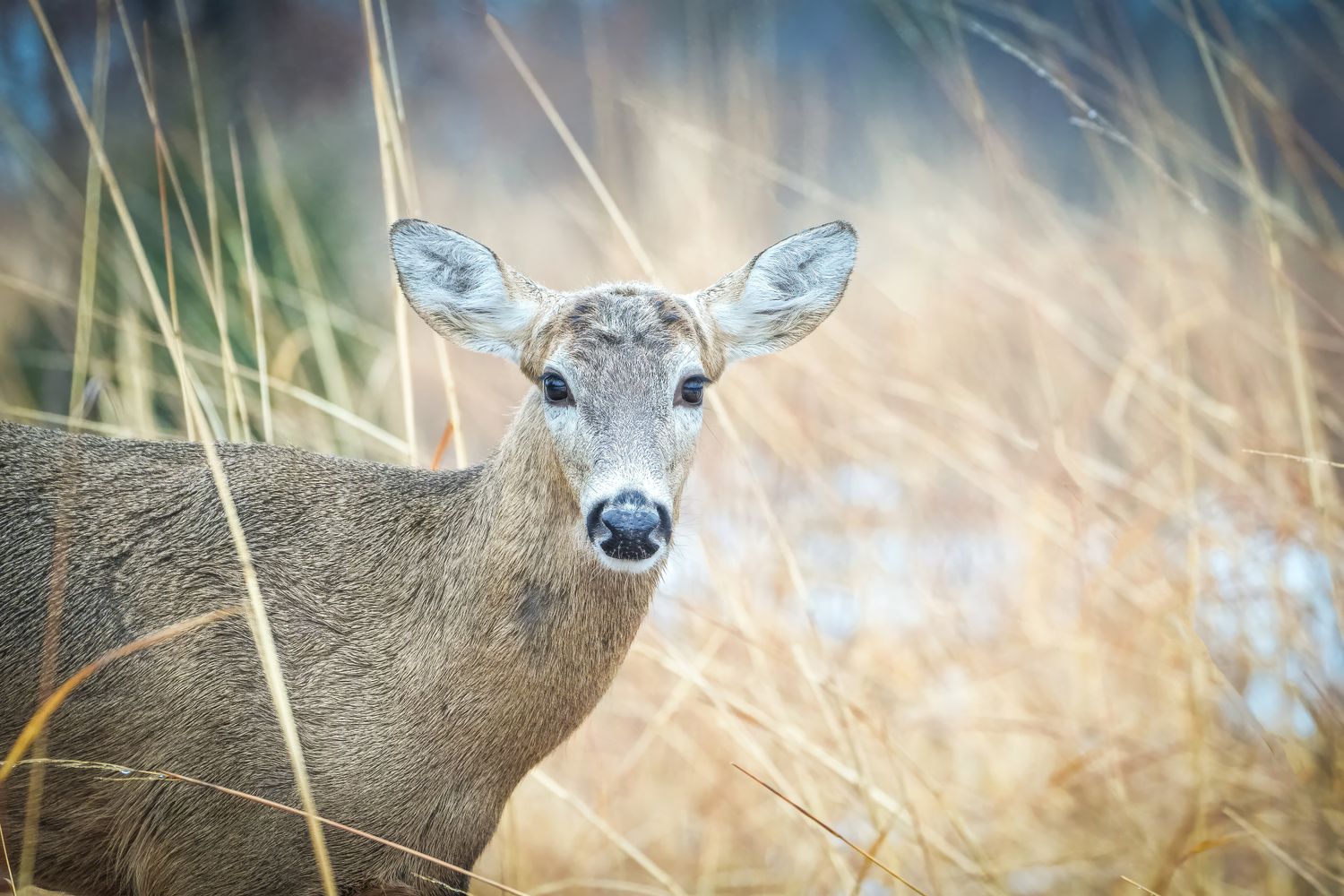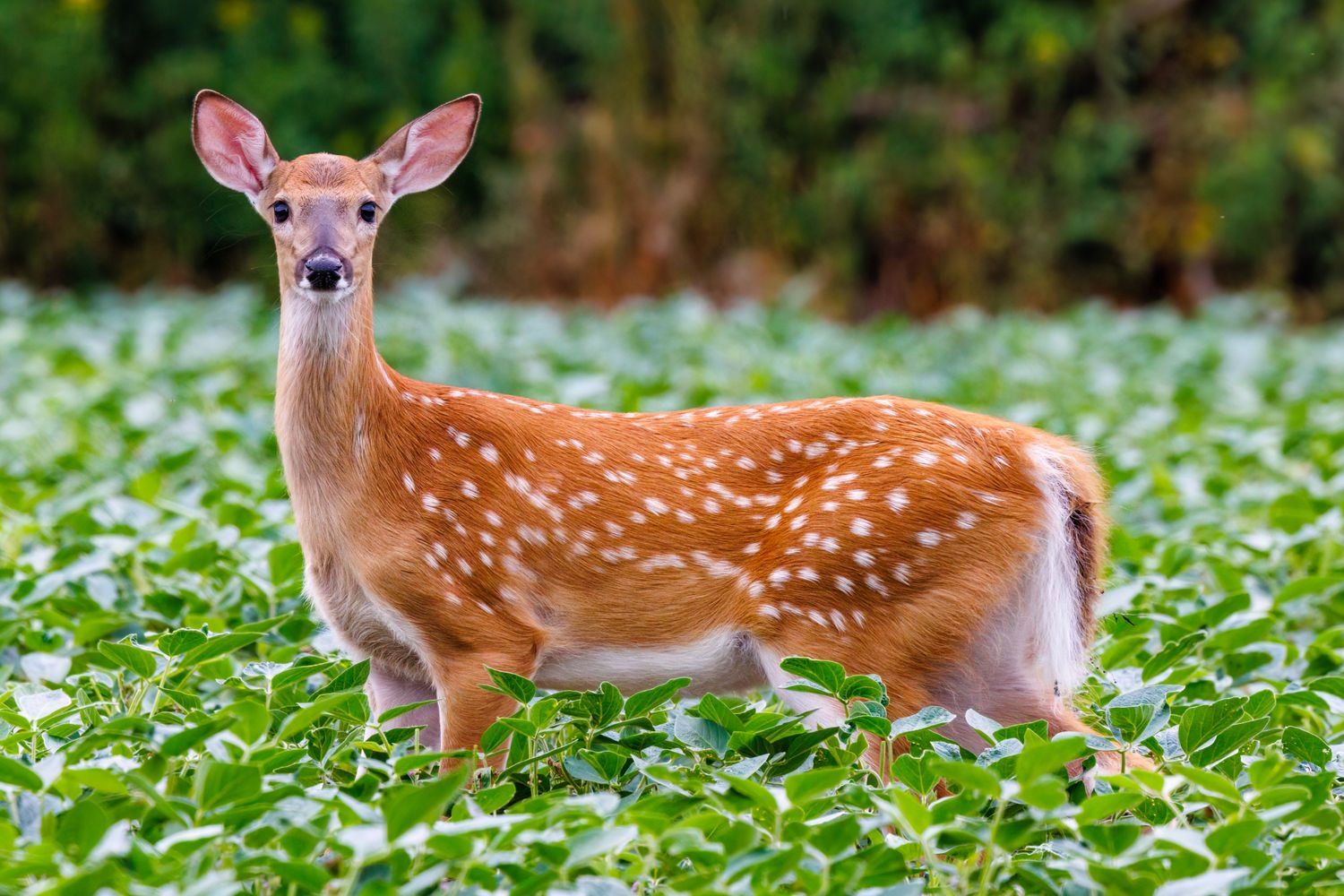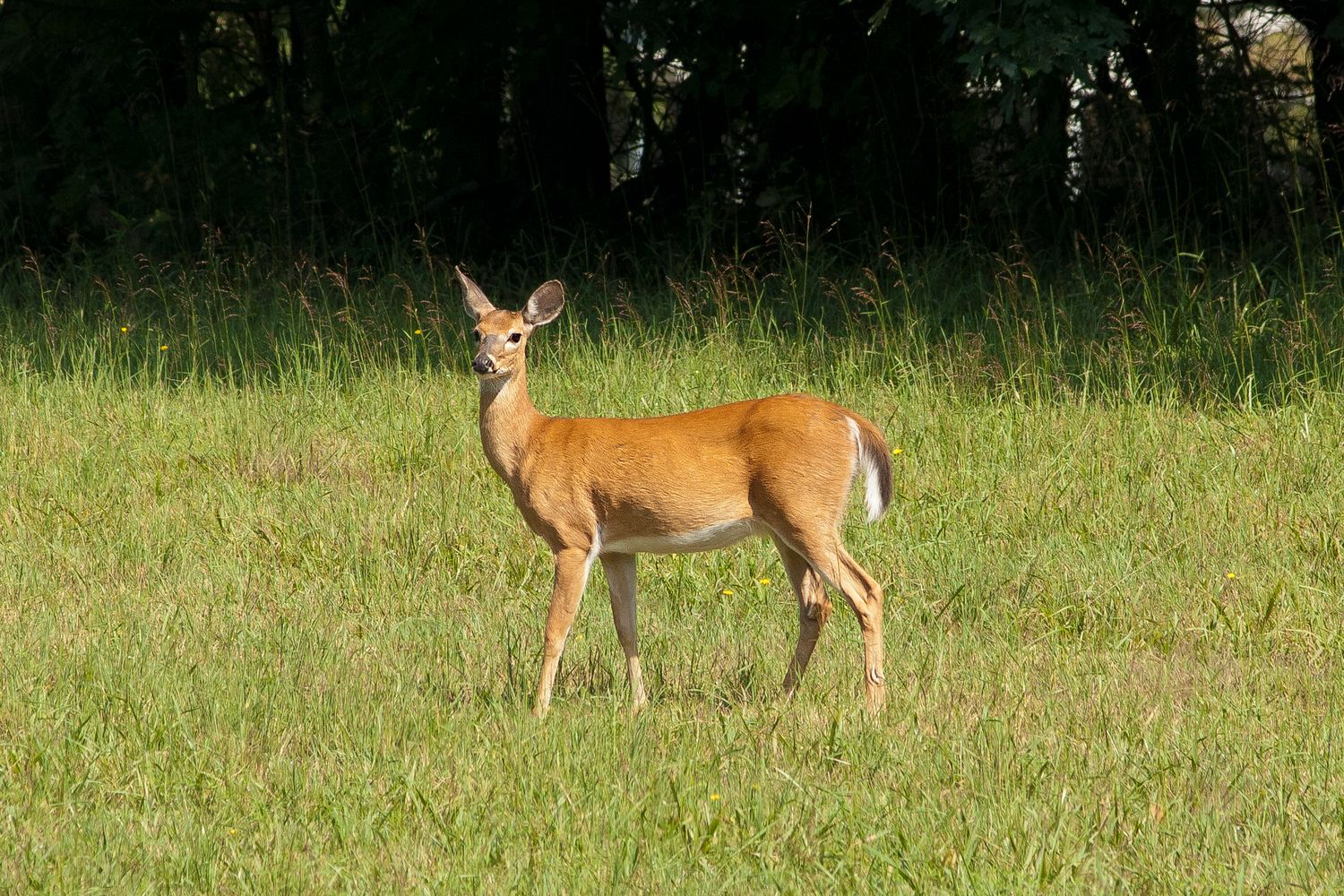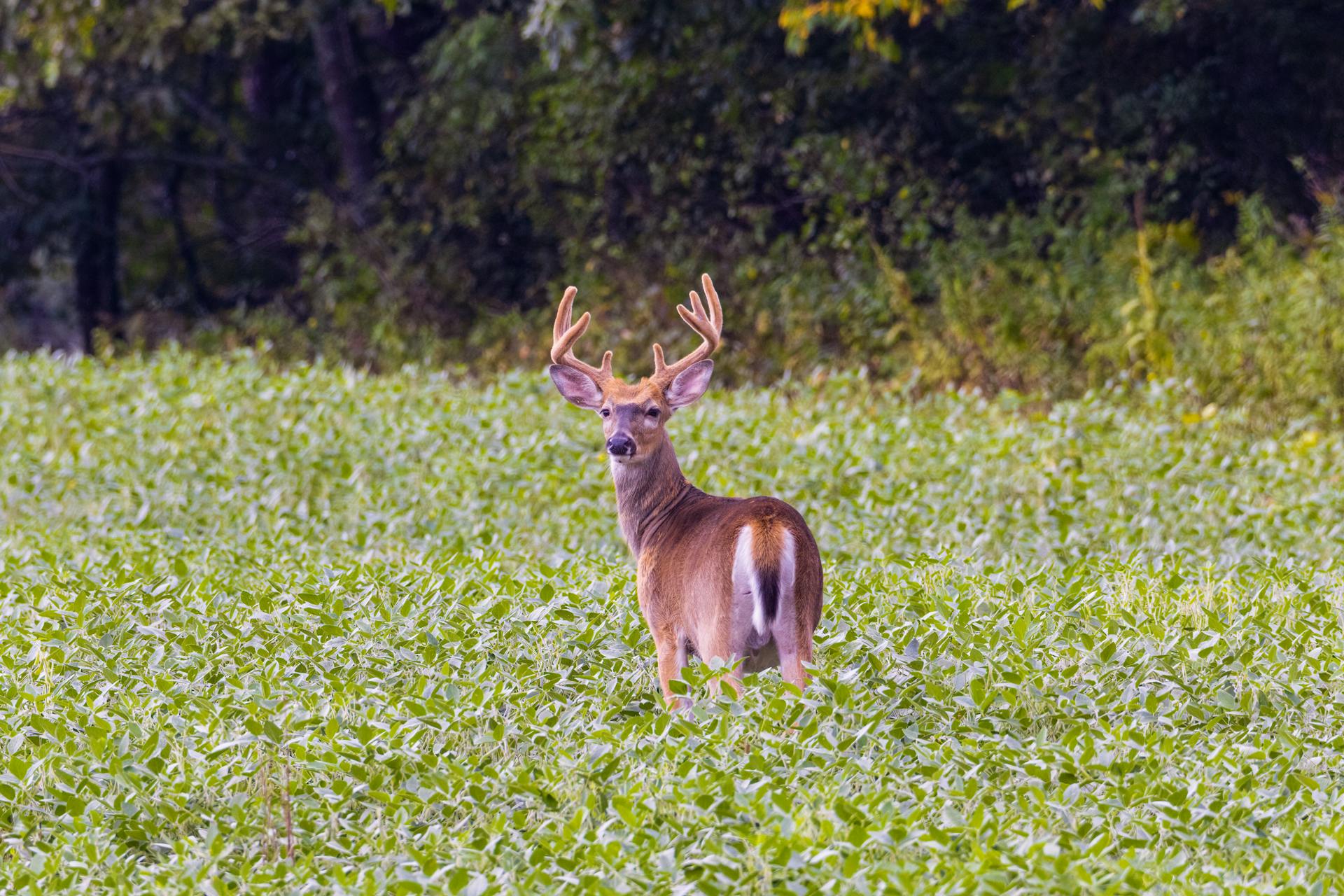
Ask a Midwesterner where the giant bucks live and they'll point at Iowa or Illinois. Ask a Southern hunter who has actually killed a 150-inch deer in the last decade, and a surprising number of them will say one word: Alabama. The state's Black Belt — a crescent of dark, alkaline prairie soil running through the middle of the state — grows antler the way Kansas grows wheat. And here's the part the glossy magazines don't tell you: you can lease a chunk of that ground for less than the cost of a single out-of-state Iowa tag.
Alabama is one of the best value-per-dollar deer states in America, and almost all of the good hunting is private. With roughly 1.5 million whitetails spread across 67 counties, a deer season that runs from mid-October deep into February, and no statewide Sunday hunting ban, the math favors the hunter who controls his own ground. Whether you own timber in Lawrence County, row-crop ground in Marengo, or a river-bottom tract in Clarke, this guide will help you understand the Alabama hunting lease market in 2026.
We'll cover:
- Current hunting seasons and Alabama-specific regulations
- Lease pricing benchmarks by region and county
- The best Alabama counties for trophy whitetails and turkey
- The CWD Management Zone and what it means for leases
- Legal considerations and landowner liability protection
- How to price and market your property
Let's get into it.
Alabama Hunting Lease Quick Facts (2026)
| Statewide deer population | ~1.5 million whitetails (2024 estimate, Alabama WFF) |
| 2024–25 reported harvest | 205,740 deer — highest in five years (108,027 antlered / 97,713 unantlered) |
| Typical lease price | $5–$15 per acre per year (private); $3–$8 per acre (timber-company tracts) |
| Best-value regions | North Alabama timber ground (low end); Black Belt trophy ground (high end) |
| Deer season window | Archery from Oct. 15; gun Nov. 22 – Feb. 10, 2026 (Zones A/B/C) |
| Sunday hunting | Legal on private land — no statewide prohibition |
| Resident license | $34.35 All Game (includes 3 buck tags + 5 turkey tags) |
| Nonresident license | $399.50 annual / $246.60 (10-day) / $173.90 (3-day) |
| Landowner liability shield | Alabama Code Title 35, Chapter 15 — Landowners' Protection Act (§ 35-15-40) |
| Harvest reporting | Mandatory via Game Check within 48 hours |
By the Numbers
- 205,740 deer harvested in 2024–25 — the highest total in five years and well above the recent five-year average of ~162,000.
- 108,027 antlered bucks and 97,713 unantlered deer reported through Game Check.
- ~1.5 million whitetails statewide — among the densest deer populations in the Southeast.
- 67 counties, roughly 70% forested, with vast timber-company acreage available to lease.
- One of the longest seasons in the country — nearly four months of deer hunting in much of the state.
What Makes Alabama Special
The Black Belt soil advantage: A band of calcium-rich, alkaline prairie soil through the state's midsection grows forage with the mineral content that builds heavy antler. It's the closest thing the South has to Midwest dirt.
No Sunday hunting restrictions: Alabama places no statewide prohibition on Sunday deer hunting on private land. Unlike Pennsylvania, Maryland, and West Virginia, your leased weekend is a full two days — which materially raises the per-acre value of an Alabama lease.
A marathon season: With archery opening in October and gun seasons running to February 10 in much of the state, Alabama gives a lease holder more days afield than almost anywhere in the country.
Genuine value pricing: Quality deer ground starts around $5–$8/acre on North Alabama timber and tops out well below the famous Midwest states even in the trophy-rich Black Belt.
Strong nonresident draw: Hunters from Georgia, Tennessee, Florida, and Mississippi — plus Northern hunters chasing the long season and big-buck genetics — keep demand healthy for quality private access.
Want a number tailored to your exact acreage and county instead of a statewide range? Run your property through the HuntLease Lease Price Calculator before you read another paragraph — then use the regional data below to sanity-check the result.
What Alabama Hunting Leases Cost in 2026
Alabama hunting leases average $5–$15 per acre annually, with managed Black Belt trophy properties — especially in the Marengo/Greene/Sumter/Hale corridor — pushing $15–$25+ per acre. The range is wide because Alabama's landscapes vary dramatically: a North Alabama timber ridge is a very different product than a Black Belt soybean farm.
Factors that most affect Alabama lease values:
- Soil and region — Black Belt prairie ground commands the state's highest per-acre rates; North Alabama timber is the value end.
- Timber company vs. private owner — Timber-company tracts lease cheaply ($3–$8/acre) but come with logging and larger clubs; private leases ($8–$15+) bring better habitat and fewer members.
- Habitat type — Mixed hardwoods, creek bottoms, and crop-field edges are the gold standard for both numbers and antler.
- Trophy history — Trail-camera photos of mature bucks dramatically increase lease value.
- Hunting pressure and access — Remote, gated tracts hunt better; metro-adjacent ground carries more pressure but sometimes higher demand.
- Improvements — Food plots, shooting houses, internal roads, electricity, and lodging all add value.
- CWD Management Zone status — Tracts inside the northwest CMZ (Lauderdale/Colbert) see mild pricing pressure but gain bonus tags (more below).
Quick Reference Pricing Table
| Region | Average $/acre | Premium $/acre | Annual (100 acres) |
| Black Belt (Marengo/Greene/Sumter/Hale) | $12–$20 | $20–$30+ | $1,200–$3,000+ |
| Black Belt secondary (Wilcox/Dallas/Perry/Lowndes) | $10–$18 | $18–$25 | $1,000–$2,500 |
| Wiregrass / Southeast | $8–$16 | $16–$22 | $800–$1,600 |
| Piedmont / East-Central | $8–$15 | $15–$20 | $800–$1,500 |
| Gulf Coastal Plain / Southwest (Clarke/Monroe) | $7–$14 | $14–$20 | $700–$1,400 |
| Tennessee Valley / North Alabama | $5–$12 | $12–$18 | $500–$1,200 |
Note: These ranges reflect market data and hunter-forum reports. Specific property value depends on individual characteristics. For a property-specific number, use the HuntLease Lease Price Calculator.
Regional and County-Specific Pricing Breakdown
The Black Belt — Alabama's Premium Trophy Zone
Counties: Marengo, Greene, Sumter, Hale, Perry, Wilcox, Dallas, Lowndes, Macon
Average Range: $12–$20/acre | Premium Properties: $20–$30+/acre
Why it's Alabama's top market: The Black Belt is why out-of-state hunters fly into Montgomery and Birmingham every November. Marengo, Greene, Sumter, and Hale counties produce the biggest deer in the state year after year, and Perry, Wilcox, Dallas, Lowndes, and Macon are right behind them. The combination of mineral-rich prairie soil, row-crop agriculture (soybeans and corn), large undeveloped timber tracts, and relatively light pressure creates antler genetics that genuinely rival the Midwest. Macon County alone has produced multiple Boone & Crockett-class bucks. Managed trophy leases with food-plot programs and strict harvest rules push well past $25/acre.
Example: 200 acres in Marengo County with soybean fields, hardwood draws, and established food plots = $4,000–$6,000/year ($20–$30/acre).
Tennessee Valley & North Alabama — The Value Zone
Counties: Lauderdale, Colbert, Lawrence, Limestone, Madison, Morgan, Marshall, Franklin
Average Range: $5–$12/acre | Premium Properties: $12–$18/acre
Why it's the value play: If you want maximum acreage for minimum dollars, the northern third of the state is where to look. Timber-company ground dominates, and you can still find leases in the $5–$8/acre range if you're willing to share a larger club and tolerate logging activity. Deer density is genuinely good; the trophy ceiling is lower than the Black Belt, but a disciplined club practicing age structure grows respectable bucks here. Note that Lauderdale and Colbert counties sit inside the CWD Management Zone, which carries extra testing requirements — and bonus-tag opportunities — discussed below.
Example: 300 acres of Lawrence County timber-company ground = $1,800–$2,400/year ($6–$8/acre).
Gulf Coastal Plain / Southwest — Sleeper Timber Country
Counties: Clarke, Monroe, Wilcox (southern), Washington, Choctaw, Conecuh
Average Range: $7–$14/acre | Premium Properties: $14–$20/acre
Why it's solid value: The southwestern Gulf Coastal Plain quietly produces big deer and big tracts of leasable timber. Clarke and Monroe counties, along the river bottoms, are genuine sleeper trophy counties with massive timber acreage and good genetics — and they double as some of the best turkey ground in the state. Rates run below the Black Belt, and a hunter who does his homework here can find a giant for value-zone money.
Example: 250 acres in Monroe County with river-bottom hardwoods and pine = $1,750–$3,000/year ($7–$12/acre).
Wiregrass / Southeast & Piedmont / East-Central
Counties: Barbour, Bullock, Pike, Henry, Houston, Dale (Wiregrass); Tallapoosa, Chambers, Randolph, Clay, Cleburne (Piedmont)
Average Range: $8–$16/acre | Premium Properties: $16–$22/acre
Why they're worth a look: The southeastern Wiregrass, built on peanut and cotton agriculture, carries a strong dog-hunting tradition (where still legal) and healthy herds. Barbour County is notable for its unique antler restriction and consistent deer numbers. The eastern Piedmont offers rolling hardwood-and-pine terrain and dependable mid-priced leases. Neither region is as expensive as the Black Belt, and both reward a hunter who scouts over one who just chases a county name.
Example: 150 acres in Barbour County with peanut fields and hardwood edges = $1,500–$2,400/year ($10–$16/acre).
Curious what's actually listed right now? Browse current Alabama hunting leases on HuntLease to see live asking prices in each of these regions side by side.
The Best Alabama Counties for Hunting
Not all Alabama counties are created equal. Here's where serious hunters focus their attention. Note that Alabama publishes county-by-county harvest statistics through its Game Check system — cross-referencing a county's reported harvest against its acreage is a smart pre-lease scouting step.
For Trophy Whitetails
Tier 1 (Black Belt elite):
- Marengo County — Perennial top trophy producer. Prairie soil, agriculture, and big timber. The most sought-after county in the state for nonresident trophy hunters; priced accordingly.
- Greene County — Elite antler genetics, low pressure, large tracts near the Mississippi line.
- Sumter County — Top-tier soil and consistent giants.
- Hale County — Agriculture plus prairie soil; strong trophy ceiling.
- Macon County — Has produced multiple Boone & Crockett-class bucks.
Tier 2 (strong contenders):
- Wilcox County — Big timber, river bottoms, classic deer country.
- Dallas County — Selma-area prairie ground; reliable mature-buck odds.
- Perry & Lowndes counties — Underrated Black Belt ground with trophy potential and slightly softer pricing.
Tier 3 (sleeper value):
- Clarke & Monroe counties — Gulf Coastal Plain timber giants for value-zone money.
- Barbour County — A 3-points-on-one-side antler restriction has protected young bucks for years, lifting age structure.
For High-Density & Meat Hunting
Hunters who want freezer meat and consistent action — not just a wall-hanger — should look at North Alabama timber country (Lawrence, Limestone, Morgan) and the Wiregrass. Alabama's liberal antlerless limits (two per day in most zones) mean a productive North Alabama lease can fill a freezer while a club manages bucks for age. These are also the value-priced regions, so the cost-per-pound of venison is hard to beat.
For Wild Turkey
Alabama is one of the premier turkey states in the country, and a lease that includes spring gobblers is a major value-add. Top turkey counties:
- Clarke, Marengo, and Monroe — Dense southern forests and farmland edges with high flock densities.
- Madison, Morgan, Lawrence, and Marshall — Limestone ridges and creek valleys in North Alabama produce strong populations.
If you're leasing primarily for deer, confirm whether spring turkey is included — many Black Belt and Gulf Coastal Plain leases bundle both, effectively giving you two seasons on one lease fee.
Alabama Hunting Seasons & Regulations 2025–26
Understanding Alabama's regulations is critical for both landowners and hunters. Alabama runs one of the longest deer seasons in the country — nearly four months in much of the state — which is part of why a lease here delivers so much value. Season structure varies by zone, so confirm your specific tract's zone before you hunt.
Deer Seasons 2025–26
| Method | Zones A, B, C & CMZ | Zones D & E |
| Archery | Oct. 15 – Feb. 10 (either sex) | Oct. 1 – Jan. 15 (either sex), then bucks only Jan. 16–27 |
| Special Muzzleloader / Air Rifle | Nov. 17 – Nov. 21 (extra license required) | Varies by zone |
| Gun (stalk) | Nov. 22 – Feb. 10 (either sex) | Varies by zone |
A few structural rules that matter for lease holders:
- Zones matter. Alabama is split into Zones A through E plus a CWD Management Zone (CMZ) in the northwest corner. Each has its own dates. Know your zone before you sign.
- Daylight hours only. Legal shooting time runs from 30 minutes before sunrise to 30 minutes after sunset.
- Game Check is mandatory. Every harvested deer must be reported through Game Check within 48 hours via phone or the Outdoor Alabama app.
Deer Bag Limits
- Antlered bucks: Three per season, one per day. At least one of the three must have a minimum of four antler points one inch or longer on one antler — except in Barbour County, which requires three points on one side.
- Unantlered (antlerless) deer: Two per day in all zones for the entire season except Zone C (north-central), where the daily limit is one unantlered deer and one antlered buck.
- Always verify current zone-specific limits with ADCNR, as they are adjusted periodically.
Turkey Season 2026
- Spring season: Zones 1 & 3 run March 25 – May 8, 2026; Zone 2 runs April 1 – May 8, 2026. Youth hunts precede the openers.
- Bag limit: One gobbler per day, four per combined fall and spring season.
- Decoys: Legal only later in the season (early April onward, by zone) — a quirk worth knowing before you hunt.
Small Game
Alabama offers solid squirrel, rabbit, quail, and dove opportunity, plus abundant feral hogs (legal year-round on private land with few restrictions). Many deer leases include small game and hog hunting at no extra cost — another reason the All Game license is such a bargain. Always verify current seasons at outdooralabama.com.
Chronic Wasting Disease (CWD) in Alabama
The Current Situation
Alabama confirmed its first wild-deer CWD case in Lauderdale County in early 2022. In response, ADCNR established a Chronic Wasting Disease Management Zone (CMZ) in the state's northwest corner and has managed it under Alabama Administrative Code rule 220-2-.167 ever since. As with every state, there is no method to eliminate CWD once established; the goal is to slow geographic spread and keep prevalence low. Prevalence in Alabama remains low, and the affected region remains very much huntable.
The CWD Management Zone (CMZ)
The CMZ covers all of Lauderdale and Colbert counties and part of Franklin County (the area north of State Highway 24, from the Alabama/Mississippi line east to U.S. Highway 43). It is divided into a High-Risk Zone and a Buffer Zone, each with its own rules:
- Mandatory sampling weekends. Deer harvested in the zone on designated weekends must be submitted for CWD testing (the 2025–26 High-Risk Zone dates were Nov. 22–23, Dec. 6–7, and Jan. 17–18).
- Carcass-movement restrictions. Deer harvested in the High-Risk Zone must remain and be disposed of within that zone. Deboned meat, cleaned skull plates, and raw hides with no brain or spinal tissue may be transported out.
- Bonus-tag incentive. Hunters who submit a sample on mandatory weekends can receive a CWD Sampling Permit to harvest one additional antlered deer from the CMZ per sample — effectively a bonus-buck opportunity.
How CWD Affects Lease Pricing
Tracts inside the CMZ typically see mild pricing pressure compared to similar ground outside it — but the bonus-tag incentive partially offsets that, and some hunters specifically seek CMZ leases for the extra antlered-deer opportunity. If your property is in Lauderdale or Colbert County, be transparent about it in your listing: the prevalence is low, testing is free on sampling weekends, and the bonus permit is a genuine selling point.
Legal Considerations for Alabama Hunting Leases
This is the section every landowner thinking about leasing should read twice. The number-one fear that keeps Alabama landowners from leasing is liability: "What if a hunter falls out of a stand and sues me?" Alabama law answers that fear directly and favorably.
Alabama Recreational Use / Landowners' Protection Act (§ 35-15-40)
Alabama Code Title 35, Chapter 15, Article 3 — the Landowners' Protection Act — contains the provision that matters most for leasing. Under § 35-15-40, a landowner who leases property for hunting or fishing purposes is generally not liable for damages to any person based on the use of the leased property for hunting or fishing. Critically, Alabama's statute extends this protection to leased (fee) hunting access — a stronger position than many states, where charging a fee strips away recreational-use immunity.
The shield is strong but not absolute. It does not protect a landowner who has actual knowledge of a non-obvious dangerous condition at the time of the lease and fails to disclose it (an old hidden well, a collapsing bridge), or who intentionally or willfully causes injury. The practical takeaways: disclose known hazards in writing, never willfully endanger anyone, and put the relationship in a properly drafted lease. For a deeper walk through how recreational-use statutes work, see our guide on landowner liability when a hunter gets hurt.
Liability Insurance
Statutory protection and an insurance policy are not the same thing — the first limits liability, the second pays for the defense and any covered loss. Options:
- A farm/ranch policy with a recreational liability rider.
- A dedicated hunting-lease liability policy (roughly $300–$600/year for $1–2 million coverage).
- Requiring the hunting club to carry its own policy naming you as an additional insured.
Require at minimum $1 million coverage, and build the requirement into your agreement from day one.
Written Lease Agreement — Essential Elements
Alabama has no statute requiring a written hunting lease, but operating without one is a significant risk. A proper Alabama lease should spell out:
- Parties and property — full legal names, parcel description, a map, and access points.
- Term and price — the lease year, total or per-acre rent, and payment schedule.
- Permitted use — deer only or all-game; whether dog hunting and spring turkey are included; guest policies.
- Member roster and caps — who may hunt and how many guns the tract holds.
- Insurance requirement — the liability policy and additional-insured language.
- No-sublet / no-transfer clause — so your lessee can't quietly sublease your ground to strangers.
- Hazard disclosure — written notice of known dangerous conditions, dovetailing with the § 35-15-40 exceptions.
- Harvest and reporting — compliance with mandatory Game Check and, in the CMZ, CWD sampling rules.
- Stands and property care — removable stands tagged with the hunter's name, gates closed, timber and crops respected.
- Rules and termination — harvest standards, ATV use, and grounds for ending the lease.
You don't have to draft this from scratch. Start from the HuntLease Sample Lease Agreement and tailor the Alabama-specific pieces. If you're worried about a tenant quietly handing your ground off to someone you've never met, our deep dive on enforcing the no-transfer clause shows exactly how to write and enforce it.
Alabama-Specific Notes: Trespass & Posting
- Written permission for hunting. Alabama law (Code § 9-11-241) requires non-owners to have explicit authorization to hunt private land. Spell the permitted members out in the lease, and consider issuing dated permission cards.
- Purple paint = posted. Since 2016, Alabama recognizes purple paint as a legal alternative to "No Trespassing" signs. Marks must be vertical lines at least 8 inches long and 1 inch wide, with the bottom 3 to 5 feet off the ground, placed no more than 100 feet apart on forest land or 1,000 feet apart on open land. A freshly painted boundary is cheap insurance against trespassers on a leased tract.
- Criminal trespass is governed by Alabama Code § 13A-7-1 et seq.; proper posting (signs or purple paint) strengthens enforcement.
Can You Hunt on Sundays in Alabama?
Yes — and it's a genuine advantage Alabama holds over several states we've covered. Unlike Pennsylvania, Maryland, and West Virginia, where Sunday hunting has historically been restricted or banned on private land, Alabama places no statewide prohibition on Sunday deer hunting on private property. If you lease ground in Alabama, your weekend is a full two days, not one — which, for an out-of-state hunter or anyone working a 9-to-5, effectively doubles your prime hunting days and raises the value of every lease dollar. If you're coming from a Sunday-restricted state, our breakdown of Sunday hunting laws in MD, PA, and WV shows just how much a no-restriction state like Alabama gives back.
Alabama Hunting License & Tag Costs
License cost is part of the total price of hunting a lease, and Alabama is a bargain for residents and reasonable for nonresidents given the season length.
| License | Cost (2025–26) | Notes |
| Resident All Game Hunting | $34.35 | Covers deer, turkey, hog, small game; includes 3 buck + 5 turkey tags |
| Nonresident Annual All Game | $399.50 | Full-season access |
| Nonresident 10-Day Trip | $246.60 | Good for a dedicated rut trip |
| Nonresident 3-Day Trip | $173.90 | Weekend hunt option |
| WMA License | $22.75 | Required only for hunting Wildlife Management Areas |
Buck and turkey tags are included with the All Game license at no additional charge — but you must still record each harvest through Game Check. Always verify current fees with the state before purchase, as license-year pricing can change.
How to Price Your Alabama Property
Step 1: Establish Your Base Rate by Region
Start with your region from the pricing table above. A Marengo County property starts at $12–$20/acre; a Lawrence County timber tract starts at $5–$12/acre. That base reflects the single biggest driver of value — your soil and region.
Step 2: Adjust for Property Characteristics
Add value (+$2–$8/acre each): mature hardwood timber with natural mast; crop/woods edge (soybeans, corn, peanuts); established or plantable food-plot sites; a creek, pond, or river; trail-camera evidence of mature bucks; existing shooting houses or stands; good road access; included spring turkey hunting; lodging on the property.
Subtract value (−$2–$6/acre each): heavy public-land or metro adjacency with competition for hunters; CWD Management Zone location (mild discount); recent clear-cut with poor regeneration; no reliable vehicle access; heavily logged in the past five years without timber-stand improvement.
Step 3: Account for Property Size
- Under 80 acres: premium per-acre rate if the habitat is strong, but a smaller hunter pool.
- 80–250 acres: standard market rate; the sweet spot for a small club.
- 250–600 acres: slight per-acre discount but higher total revenue and room for a full club with food plots.
- 600+ acres: consider multiple lease groups or a club arrangement.
Step 4: Research Local Comparables
Search active Alabama listings on HuntLease for tracts in your county and region, compare acreage and habitat, and ask neighboring landowners what they're getting. The Lease Price Calculator turns those comps into a defensible asking price in a couple of minutes.
Step 5: Set Your Hunter-Profile Goals
Price higher to attract a small group of selective, experienced hunters who'll manage age structure. Price at market to fill quickly with a full club. And weigh long-term relationship value over squeezing the last dollar — a reliable, respectful tenant who renews for a decade is worth more than a higher one-year check.
Marketing Your Alabama Hunting Lease
Listing Your Property
The title does most of the work. Compare:
Weak: "Alabama deer hunting lease for rent"
Strong: "200-Acre Marengo County Black Belt Trophy Lease — Soybean Fields, Food Plots, Spring Turkey Included" or "320-Acre Lawrence County Timber Lease — Big Deer Numbers, $7/Acre, Sunday Hunting."
Your listing description should include the county and general area, total and huntable acreage, a terrain/habitat breakdown (% timber, % ag, water features), trail-camera history of mature bucks (photos are critical), all species and seasons included (confirm whether spring turkey is in), CWD/CMZ status if applicable, lodging availability, price and term, and insurance requirements.
Target Markets
Alabama's strongest nonresident demand comes from neighboring Southern states — Georgia, Tennessee, Florida, and Mississippi — plus Northern hunters chasing the long season and Black Belt genetics. Tailor your copy to them: "Three hours from Atlanta, Black Belt trophy ground with documented 140-class bucks" outperforms a generic listing dramatically. Lean into Alabama's headline advantages: a four-month season, legal Sunday hunting, and big-buck soil.
Screening Potential Hunters
Before sharing property location, ask: How many years have you hunted? How many hunters in your group? Do you carry hunting liability insurance? Have you leased private ground before — references available? Are you familiar with Alabama's mandatory Game Check (and CWD sampling, if in the CMZ)? Red flags: unwillingness to provide references, pushing for the property address before any agreement is signed, or asking about subleasing right away.
When you're ready to list, the HuntLease landowner onboarding walks you through posting acreage, photos, and terms in front of a marketplace of vetted hunters, and you can scout any tract you're evaluating with HuntLease Scouting maps and the Field Ready Score.
Alabama Hunting Lease FAQ
For Landowners
Q: How much can I charge to lease my Alabama land? Most Alabama deer leases run $5–$15 per acre per year, with Black Belt trophy ground reaching $20–$30+. Even at the low end — $8/acre on 300 acres of North Alabama timber — that's $2,400 a year for ground you already own, backed by statutory liability protection. Run your tract through the pricing guide and the calculator for a real number.
Q: Does Alabama law protect me if a hunter is injured? Yes. Under Code § 35-15-40, a landowner who leases for hunting is generally not liable for injuries arising from that use — even though you're charging a fee — with narrow exceptions for undisclosed known hazards and willful injury. Disclose hazards in writing and require liability insurance.
Q: My property is in the CWD Management Zone — does that hurt my lease value? Mildly. Expect modest pricing pressure, but the bonus-tag incentive for submitting CWD samples partially offsets it, and some hunters seek CMZ ground for the extra antlered-deer opportunity. Be transparent in your listing.
Q: Do I need a written lease? Legally no, but practically yes. A written agreement protects both parties and prevents costly disputes. Never operate on a handshake for fee-based access.
For Hunters
Q: What makes Alabama worth the lease price? A four-month season, legal Sunday hunting, liberal antlerless limits for the freezer, genuine Black Belt big-buck genetics, and lease prices that start at a fraction of the famous Midwest states. For value per hunting day, Alabama is hard to beat.
Q: When should I start looking for a lease? Spring through midsummer. The best clubs renew year after year, and open spots fill fast — waiting until fall usually limits you to leftovers.
Q: Should I form a club to split costs? Common practice. A 300-acre lease at $10/acre ($3,000/year) split among five members is $600 per person for a full four-month season — far less than a single guided hunt.
Q: Do I still need a license on leased private land? Yes. All hunters need a valid Alabama hunting license and must record every harvest through Game Check, regardless of private-land status.
The Bottom Line on Alabama Hunting Leases
Alabama delivers a rare combination: genuinely big-buck genetics, a four-month season, legal Sunday hunting, strong statutory liability protection for landowners, and lease prices that start at a fraction of what the famous Midwestern states charge. Whether you want a $6/acre North Alabama timber tract for steady action and a full freezer, or a Black Belt prairie lease with a real shot at a 160, the value is here for anyone willing to do the homework.
For landowners, leasing is real income. A 200-acre Black Belt farm could generate $3,000–$5,000 annually — money that offsets property taxes, funds habitat work, and rewards stewardship. Calculate your number with the Lease Price Calculator, then list it through HuntLease landowner onboarding.
For hunters, a quality Alabama lease means consistent access to top-tier whitetail ground, the freedom to hunt seven days a week, and one of the longest seasons in the country. Browse live Alabama listings and secure your 2026–27 access before the best properties are gone.
Lease prices, season dates, license fees, and CWD-zone boundaries referenced in this guide reflect Alabama Wildlife & Freshwater Fisheries data and the 2025–26 regulations available at publication. Always verify current season dates, zone boundaries, bag limits, CWD rules, and fees with the Alabama Department of Conservation and Natural Resources (outdooralabama.com) before hunting.