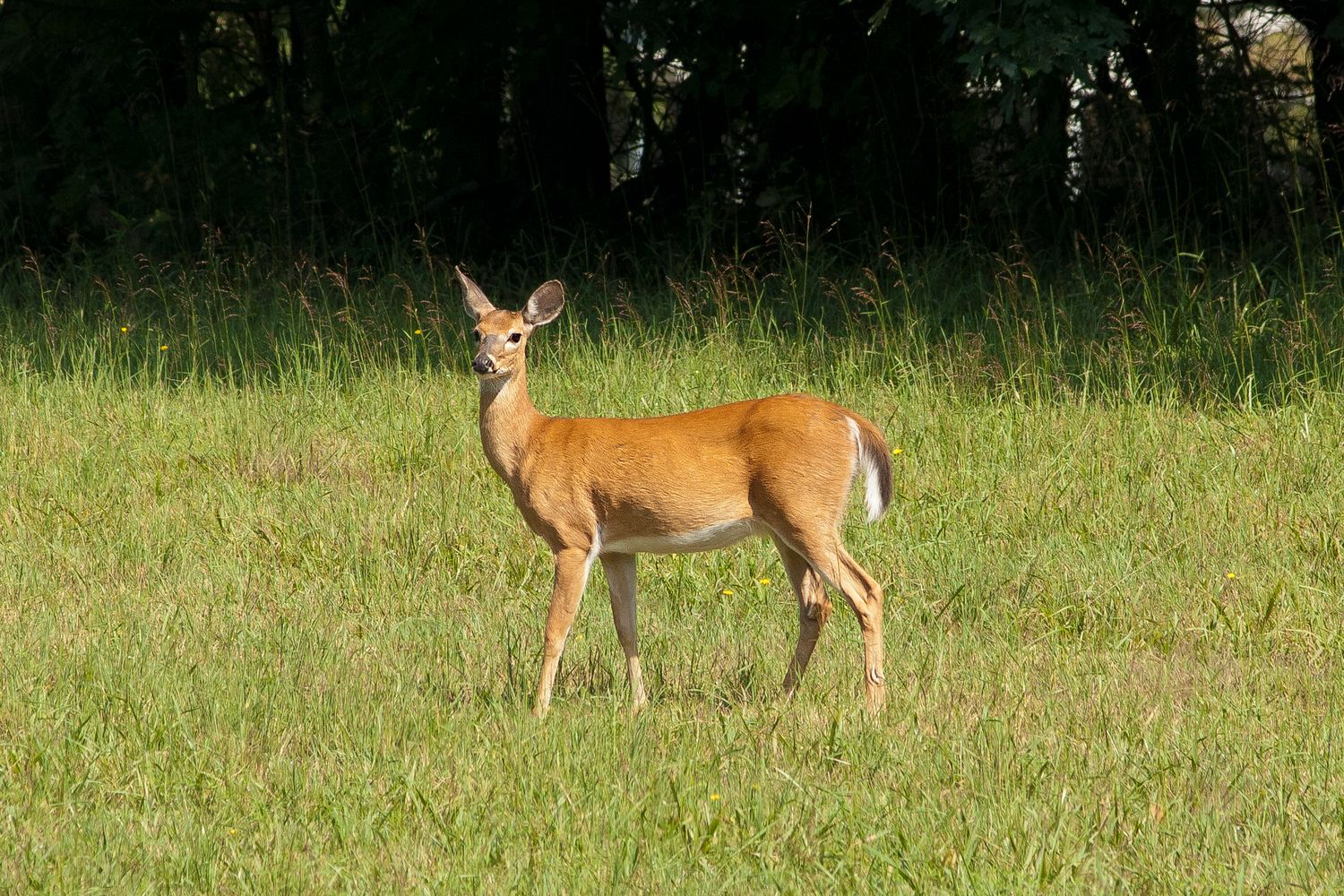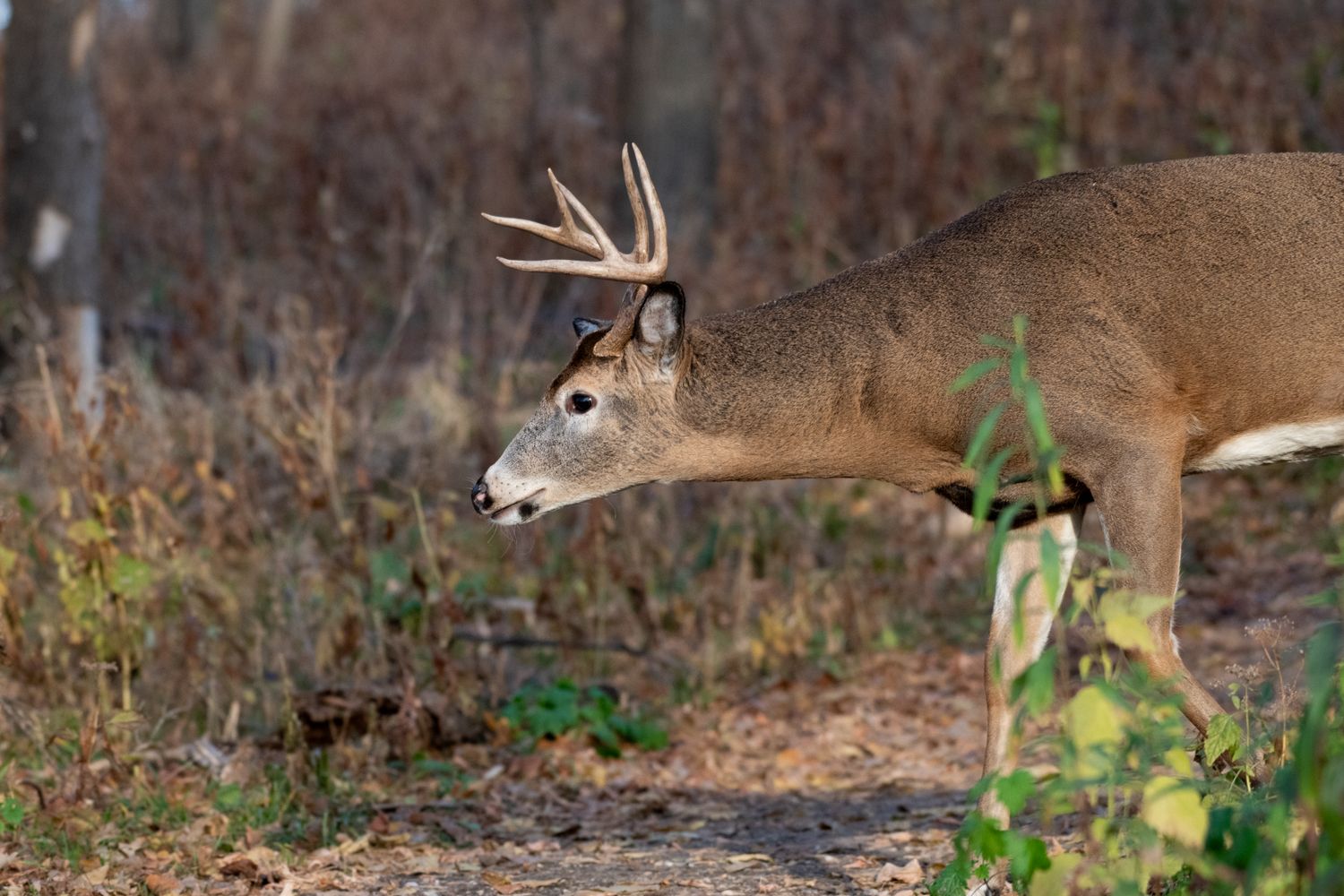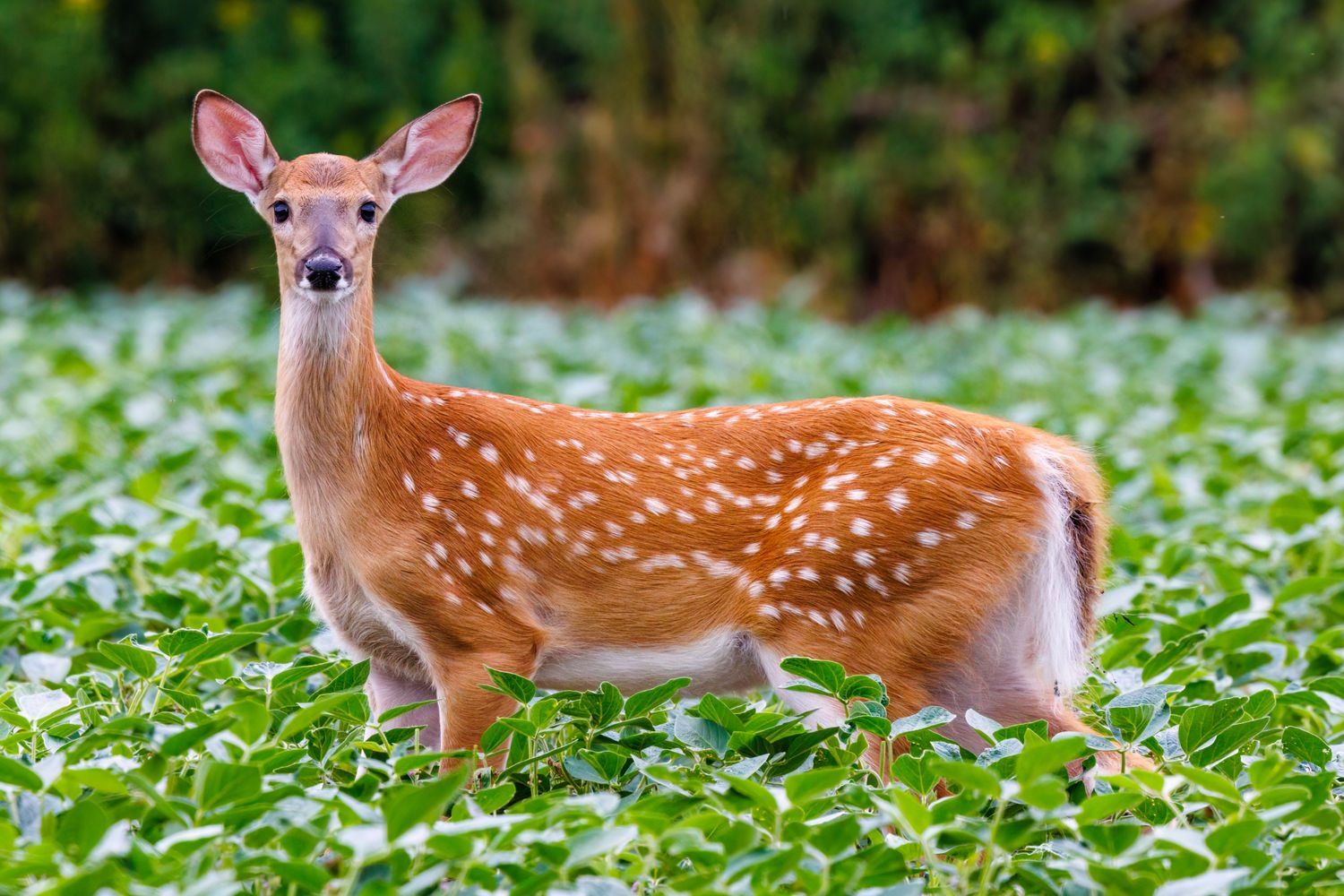
South Carolina opens the earliest deer season in the entire country. While hunters in most states are still glassing velvet bucks in August, private-land owners in the South Carolina Lowcountry are already sitting over a shooting lane on August 15. That single fact tells you almost everything you need to know about how leasing works here: the season is long, the rules are famously liberal, the deer herd is healthy, and demand for good private ground runs hot from the coast to the foothills.
If you own huntable land in South Carolina, that demand is money on the table. If you're a hunter, it's the difference between fighting the crowds on a Wildlife Management Area and having your own stand on your own dirt from opening morning through New Year's Day. This guide breaks down exactly what South Carolina hunting leases cost in 2026, region by region and county by county, plus the seasons, laws, and liability rules that shape every deal.
We'll cover:
- South Carolina deer hunting by the numbers — herd size, harvest, hunter counts, and trophy pedigree
- The four game zones and what makes each one worth leasing
- What South Carolina leases actually cost — the factors that move price, plus a region-by-region rate table
- Region-by-region and county-level pricing across the Upstate, Midlands, Lowcountry, and Pee Dee
- The best counties for trophy bucks, meat hunting, and turkeys
- 2025–26 seasons, bag limits, legal weapons, and license fees
- Sunday hunting, CWD status, and the full legal picture for landowners
- How to price your South Carolina property — a five-step method
- How to market a lease and screen hunters
- A split landowner/hunter FAQ
Not sure where your land or your budget lands in all this? Run the numbers first with the HuntLease Lease Price Calculator, then browse what's live now on South Carolina listings.
South Carolina Deer Hunting by the Numbers
South Carolina is a small state with an outsized deer-hunting culture. Understanding the scale of it explains why leasing is so competitive.
- Statewide herd: roughly 700,000 white-tailed deer. After rapid growth through the early 1990s and a long decline from 2003 to 2015, the population has been stable to slightly increasing over the last decade.
- 2024 harvest: 172,617 deer — 82,261 bucks and 72,798 does — reported by the South Carolina Department of Natural Resources (SCDNR). That's down from 198,171 in 2023, a normal year-to-year swing driven by mast crops and weather.
- Hunters: about 190,330 deer hunters statewide, with a very strong 60% success rate in 2024.
- WMA pressure: roughly 60,000 Wildlife Management Area permits are issued annually — a lot of hunters competing for public ground, which is exactly what pushes serious hunters toward private leases.
- Weapon of choice: about 85% of deer are taken with a centerfire rifle; shotguns (5.9%) and bows (5.4%) make up most of the rest.
The headline for anyone weighing a lease: nearly 200,000 hunters, a healthy herd, and a season that runs four and a half months in parts of the state. Private access is the scarce resource, and scarce resources command a price. If you're a landowner, that's leverage. If you're a hunter, it's a reason to lock down ground early rather than late.
The Four Game Zones — and What Makes South Carolina Special
South Carolina manages deer through four game zones that roughly follow the state's geography, from the Blue Ridge foothills down to the salt marsh. Season structure, dog-hunting rules, and even antlerless tag allowances change by zone, so the zone your land sits in directly affects both how it hunts and what it leases for.
| Game Zone | Region | Representative Counties |
|---|---|---|
| Zone 1 | Mountains / Upstate | Portions of Oconee, Pickens, Greenville (the northern mountainous belt) |
| Zone 2 | Piedmont / Midlands | Abbeville, Anderson, Cherokee, Chester, Edgefield, Fairfield, Greenwood, Lancaster, Laurens, McCormick, Newberry, Saluda, Spartanburg, Union, York, plus parts of Oconee, Pickens, Greenville |
| Zone 3 | Western Lowcountry / Coastal Plain | Aiken, Allendale, Bamberg, Barnwell, Beaufort, Berkeley, Calhoun, Charleston, Colleton, Dorchester, Hampton, Jasper, Lexington, Orangeburg |
| Zone 4 | Eastern Coastal / Pee Dee | Chesterfield, Clarendon, Darlington, Dillon, Florence, Georgetown, Horry, Kershaw, Lee, Marion, Marlboro, Sumter, Williamsburg |
Zone boundaries follow specific county and road lines; always confirm your exact zone on the SCDNR game-zone map before you write a season into a lease.
What sets South Carolina apart
The earliest opener in America. Private land in Game Zones 3 and 4 opens as early as August 15. No other state lets you kill a whitetail that early. For a hunter, an August-through-January window is an enormous amount of stand time; for a landowner, it's a genuine selling point that justifies a premium over a state with a six-week gun season.
Liberal rules, few antler restrictions. South Carolina does not impose statewide antler-point restrictions the way many states do. Bag limits are generous, baiting is legal on private land, and the season length is among the longest in the country. Hunters who feel boxed in by restrictive states pay to hunt here precisely because of that freedom.
A dog-hunting heritage. Running deer with dogs remains legal on private land in the Lowcountry zones (3 and 4) and is a deep part of the culture there, while it's prohibited in the Upstate and Midlands (Zones 1 and 2). That split shapes what kind of club will want your land — a still-hunting lease and a dog-driving club are two very different buyers.
CWD-free — for now. Chronic Wasting Disease has been detected in 36 states and in every one of South Carolina's neighbors except Georgia. It has not been found in South Carolina. In a region where CWD is closing in, "healthy, disease-free herd" is a real and marketable advantage.
Zones at a glance
Because season length, dog-hunting rules, and antlerless allowances all change by zone, it's worth seeing them side by side. Note that South Carolina uses no statewide antler-point restriction, so the "buck limit" is the same statewide — the real management lever the state pulls is antlerless tags, which vary by zone.
| Zone | Private-land season window | Approx. length | Dogs allowed? | Buck limit | Antlerless notes |
|---|---|---|---|---|---|
| Zone 1 | Oct 1 – Jan 1 | ~3 months | No | 5/season, 2/day | Only 3 Individual Antlerless Tags |
| Zone 2 | Sep 15 – Jan 1 | ~3.5 months | No | 5/season, 2/day | Up to 5 antlerless/day (private) |
| Zone 3 | Aug 15 – Jan 1 | ~4.5 months | Yes (private) | 5/season, 2/day | Up to 5 antlerless/day (private) |
| Zone 4 | Aug 15 – Jan 1 | ~4.5 months | Yes (private) | 5/season, 2/day | Up to 5 antlerless/day (private) |
The practical takeaway for pricing: a Zone 3 lease sells four and a half months of hunting and legal dog driving, while a Zone 1 lease sells three months of quiet still-hunting. Those are different products, and the market prices them differently.
Herd management and the doe question
South Carolina moved years ago from a "bucks-only, protect every doe" mentality to a modern quality-management approach, and its liberal antlerless limits reflect that. On most private land you can take up to five antlerless deer per day, and the state distributes both general and date-specific antlerless tags to keep the herd in balance with the habitat. For a lease, that matters in two ways. First, it means a club can legitimately manage its own deer — passing young bucks and taking does — without running out of tags. Second, it means a landowner who wants a quality-buck program can write doe-harvest expectations right into the lease. Ground that is actively managed for age structure grows bigger bucks, and bigger bucks command higher rent. If you're a landowner thinking long-term, a lease clause requiring members to meet a minimum doe harvest is one of the cheapest ways to raise your property's value over a few seasons.
What South Carolina Hunting Leases Cost in 2026
There is no single "South Carolina lease rate." Price is set by a stack of factors, and the same 200 acres can be worth $6 an acre or $30 an acre depending on how they stack up.
The factors that move the price
- Region and zone: Lowcountry river-bottom ground with big-buck history commands far more than dry Upstate pine.
- Habitat mix: a blend of hardwood bottoms, agriculture, and thick bedding cover beats a monoculture pine plantation every time.
- Food: row-crop agriculture (soybeans, corn) or established food plots raise the ceiling dramatically.
- Water and river frontage: creek and river bottoms hold and grow bigger deer, and hunters pay for that.
- Access and improvements: good interior roads, established stands, a cabin, power, or a cleared campsite all add value.
- Exclusivity and acreage: a small exclusive tract for one or two hunters carries a higher per-acre rate than a large lease split among a big club.
- Trophy history: a county — or a specific property — with a record of mature bucks is worth a premium.
To translate those drivers into an actual dollar figure for your specific parcel, the fastest route is the HuntLease Lease Price Calculator. It weighs acreage, habitat, food, and amenities the same way an experienced club would.
South Carolina lease rate quick reference
| Region | Typical $/acre/yr | Premium $/acre/yr | Example: 300 acres/yr |
|---|---|---|---|
| Upstate (Zone 1) | $6–$12 | $15+ | ~$1,800–$3,600 |
| Midlands / Piedmont (Zone 2) | $7–$15 | $20+ | ~$2,100–$4,500 |
| Western Lowcountry (Zone 3) | $10–$30 | $35+ (river bottoms) | ~$3,000–$9,000 |
| Pee Dee / Coastal (Zone 4) | $8–$20 | $25+ | ~$2,400–$6,000 |
Ranges reflect 2025–26 market activity. USDA data pegs typical good deer-and-turkey ground around $10–$20 per acre, with Upstate hunt-club land often closer to $6–$12 and prime Lowcountry river bottoms running well above the top of the table. Club memberships (a "gun" in an existing club) commonly run a few hundred to $1,500+ per hunter per year depending on acreage and quality.
Curious how these numbers compare to Georgia next door or to the Mid-Atlantic? Our state-by-state lease price comparison puts South Carolina in national context.
Region-by-Region and County-Level Pricing
Upstate — Game Zone 1 and the northern Piedmont
The foothills counties of Oconee, Pickens, and Greenville hold the state's only mountain deer habitat. Herd densities here are lower than the coastal plain, and terrain is steeper, so per-acre rates are the most affordable in the state. Hunt clubs across the broader Upstate — Laurens, Union, and Spartanburg counties — average roughly $8 per acre, and timber-company ground in a county like Saluda can lease for as little as $6.25 to $7 per acre, though better tracts push $10 to $12.
Upstate leases appeal to hunters who value a longer, quieter still-hunt (dogs are not legal here) and don't mind trading trophy odds for lower cost and less pressure. A 500-acre timber lease at $8 an acre runs $4,000 a year — split among a club of five to eight guns, that's a very reasonable membership. Anderson County is the sleeper here: despite Upstate pricing, it ranks among the state's very best for record-book bucks per unit area.
Midlands / Piedmont — Game Zone 2
The Midlands blend rolling Piedmont hardwoods, pine, and pockets of agriculture, and they carry a strong trophy pedigree. Counties like Fairfield, Newberry, Edgefield, and McCormick produce mature bucks year after year. Expect $7 to $15 per acre for solid ground, with well-managed tracts that combine hardwood mast, food plots, and low pressure reaching $20 and up.
A representative Midlands deal: 250 acres of mixed hardwood and planted pine with a couple of established plots and interior road access, leasing at $12 an acre — $3,000 a year. That's the sweet spot a lot of South Carolina clubs target: enough ground to hold a resident herd, priced where a handful of members can comfortably cover it.
Western Lowcountry — Game Zone 3
This is the premium end of the market. The coastal plain counties — Aiken, Orangeburg, Calhoun, Bamberg, Barnwell, Allendale, Colleton — combine fertile soils, agriculture, river systems, and the state's deepest big-buck history. Rates run $10 to $30 per acre, and truly exceptional river-bottom ground along the Edisto, Savannah, or Congaree with a proven history of growing giants can command well beyond that.
Orangeburg and Aiken are the crown jewels: they sit first and second all-time for record-book entries in the state. A hunter chasing a 140-inch buck will pay real money to hunt Zone 3 dirt, and landowners here have the most pricing power in South Carolina. The Aug 15 opener applies here too, so a Zone 3 lease is also the longest-season lease you can buy.
Pee Dee / Coastal — Game Zone 4
The eastern coastal and Pee Dee counties — Williamsburg, Georgetown, Clarendon, Sumter, Marlboro, Marion, Florence — are agriculture-and-timber country with excellent herd numbers and a strong dog-hunting tradition. Rates typically run $8 to $20 per acre, with the better ag-edge and river-bottom tracts at the top of that band. Williamsburg County alone sits among the state's top five all-time for record bucks.
Zone 4 is where you'll find both classic Lowcountry dog-driving clubs and quieter still-hunt leases, so a landowner here has two distinct markets to sell into. If your ground is laid out for dog hunting — big blocks with roads and standers' paths — a driving club may pay more for it than a still-hunt lease would.
Wherever your parcel sits, you can see what comparable ground is asking right now on HuntLease's South Carolina listings, and price your own against it with the calculator.
Best South Carolina Counties — Segmented by Goal
For trophy bucks
SCDNR's antler records tell a clear story. By total all-time entries, Aiken County leads with 611, followed almost dead-even by Orangeburg with 610, then Anderson (338), Fairfield (329), and Williamsburg (300). Adjust for county size and the density leaders are Anderson, Aiken, Orangeburg, Abbeville, and Calhoun — meaning your per-acre odds of a book buck are highest there.
Recent seasons reinforce it: Orangeburg led the most recent report with 19 record entries, followed by Aiken (15), Oconee (12), Williamsburg (11), and Lexington (10). Top recent bucks include a 144 3/8-inch typical from Spartanburg, a 144 2/8-inch typical from Greenville, and a 159 7/8-inch non-typical from Orangeburg. If your goal is a wall-hanger, focus your lease search on Aiken, Orangeburg, Anderson, Calhoun, and Abbeville.
For meat and consistent action
South Carolina's generous antlerless limits (up to 5 antlerless deer per day on private land in most zones) make the agriculture-rich Lowcountry and Pee Dee ideal for hunters who want to fill a freezer. Orangeburg, Calhoun, Clarendon, Sumter, and Williamsburg combine high deer numbers with row-crop food sources — lots of deer, lots of tags, lots of freezer meat.
For turkeys
Many South Carolina leases pull double duty for spring gobblers, and turkey rights are one of the easiest ways for a landowner to add value to a deer lease. The state runs a spring-only season for gobblers, with youth days ahead of the general opener and bag limits that have tightened in recent years as the state works to rebuild flocks. The western Lowcountry, the Savannah River corridor, and the Midlands hold the strongest turkey numbers, and a property with a mix of hardwood roosting timber, open strutting ground, and agriculture is prime. If your ground turkeys well, say so in the listing and price it accordingly — a combination deer-and-turkey lease is worth more than a deer-only one. Always confirm the current spring dates, youth days, and per-hunter limits with SCDNR before you advertise, because turkey regulations are adjusted more often than deer rules.
For small game and waterfowl
Don't overlook the secondary seasons when you value a lease. Much of South Carolina holds quail, dove, rabbit, and squirrel, and the coastal counties and river systems offer duck hunting on the right ground. A landowner with a dove field, a beaver pond, or a flooded bottom can bundle those rights into the lease or sell them separately. For a hunter, a property that hunts deer in the fall, ducks in the winter, and turkeys in the spring is a year-round value that justifies a higher annual rate than a deer-only tract of the same size.
2025–26 Seasons, Bag Limits, and Licenses
Private-land deer seasons by zone
| Zone | Archery | Primitive Weapons | Gun |
|---|---|---|---|
| Zone 1 | — | Oct 1–10 | Oct 11–Jan 1 |
| Zone 2 | Sep 15–30 | Oct 1–10 | Oct 11–Jan 1 |
| Zone 3 | Archery & Gun open Aug 15 | through Jan 1 | |
| Zone 4 | Aug 15–31 | — | Sep 1–Jan 1 |
These are private-land dates for the 2025–26 season; WMA dates differ. Most zones close Jan 1, 2026. A proposed bill (H.4066) would extend some seasons to mid-January, but that had not been confirmed as enacted at the time of writing — always verify the current calendar with SCDNR. Youth deer days were set for Aug 9 (Zones 3 & 4), Sep 13 (Zone 2), Sep 27 (Zone 1), and Jan 3 statewide.
Bag limits and antler rules
- Daily limit: 2 antlered and 5 antlerless deer.
- Season limit: 5 antlered deer total across all seasons and methods.
- Antlered definition: a deer with antlers 2 inches or more above the hairline; anything less counts as antlerless.
- Zone 1 antlerless: only three Individual Antlerless Deer Tags may be used.
- Nonresidents: 2 antlered per day, 4 antlered total for all seasons.
- Tagging: every deer must be tagged immediately with a valid SC tag before it is moved.
- Baiting: hunting deer over bait is legal on private land statewide.
- Dogs: pursuing deer with dogs is unlawful in Zones 1 and 2, legal on private land in the Lowcountry (Zones 3 and 4).
License fees (2025–26 license year: Jul 1, 2025 – Jun 30, 2026)
- Resident hunting license: starts around $12.
- Resident Big Game Permit: about $6, and it includes 3 free antlered (buck) tags.
- Nonresident hunting license: about $125.
- Nonresident Big Game Permit: about $100 (required for deer, bear, and turkey).
- Nonresident deer tags: roughly $50 for the first, $20 for additional tags.
- WMA permit: about $76 (only needed on Wildlife Management Areas, not on your private lease).
One practical note for landowners marketing to out-of-state hunters: South Carolina's nonresident fees are moderate compared with many trophy states, which keeps the state attractive to hunters from North Carolina, Georgia, and beyond.
Sunday Hunting, CWD, and the Legal Picture
Sunday hunting — legal on private land
South Carolina permits Sunday hunting on private land. For a lease, that's a meaningful perk: a hunter who can only get away on weekends effectively doubles their usable days compared with a state that closes Sundays. Landowners should absolutely advertise it — "hunt all seven days on private land" is a line that sells memberships.
Chronic Wasting Disease — not detected in South Carolina
CWD has not been found in South Carolina's deer herd. SCDNR recently completed its most in-depth surveillance effort to date with no evidence of the disease, and South Carolina and Georgia sit in a regional "donut hole" surrounded by states where CWD is present. To keep it that way, the state prohibits the use of natural cervid urine-based scents and restricts importing whole carcasses or high-risk carcass parts from CWD-positive states (boned-out meat, cleaned hides, and finished antler mounts are generally allowed). Build those carcass-transport rules into your lease so a member hauling a deer home from another state doesn't create a problem.
EHD — the disease South Carolina does get
While CWD is absent, South Carolina does see periodic outbreaks of Epizootic Hemorrhagic Disease (EHD), sometimes called "blue tongue," spread by biting midges in late summer and early fall — exactly when the Lowcountry season is opening. EHD outbreaks are typically localized and self-limiting, tied to hot, dry conditions along waterways, and the herd rebounds. It's not a reason to avoid a property, but it is a reason not to overreact to a single tough season: a lease shouldn't be priced (or abandoned) off one dry, midge-heavy year. If you're evaluating ground, ask about the last few seasons of sightings rather than judging on one.
Landowner liability and the recreational-use statute
South Carolina's Limitation on Liability of Landowners statute (Title 27, Chapter 3 — see §27-3-10 through §27-3-40) is designed to encourage landowners to open their property for recreation, including hunting. Under it, a landowner who allows someone onto their property for recreational purposes without charge owes no duty to keep the premises safe or to warn of dangerous conditions.
Here's the catch every South Carolina landowner leasing for money must understand: the statute's protection generally falls away once you charge a fee for the recreational use. A paid hunting lease is a charge. It also never shields against gross negligence or willful, malicious conduct. In other words, the recreational-use statute is not your liability plan when you're collecting lease money.
What protects you instead is a properly written lease with a liability release and adequate insurance. At minimum, your South Carolina hunting lease should include:
- Names of the landowner and every hunter (or the club and its members).
- A clear legal description of the leased acreage and boundaries.
- The lease term and exact dollar amount and payment schedule.
- A liability release and indemnification (hold-harmless) clause.
- A requirement that hunters carry liability insurance and name the landowner as additional insured.
- Permitted activities and methods (deer, turkey, dogs or no dogs, stands, ATVs).
- A no-sublease / no-transfer clause so you control who is actually on your land.
- Rules on guests, number of hunters, and Sunday use.
- Responsibility for gates, roads, trash, and stand safety.
- Termination conditions and what happens to improvements.
For the full picture, read our guides on landowner liability and whether farm insurance covers a hunting lease, and start from a solid sample lease agreement rather than a handshake. Adding a lease that names you as additional insured is the single most important thing you can do to protect yourself.
Trespass, posting, and the purple-paint law
South Carolina gives landowners a clean, modern way to post their boundaries. Under the state's trespass-notice law (S.C. Code §16-11-600), you can mark your property either with traditional "no trespassing" signs or with vertical purple paint stripes — each stripe at least eight inches long and two inches wide, with its bottom between three and six feet off the ground, on trees or posts no more than 100 yards apart and clearly visible to anyone approaching. Once posted properly, that marking counts as conclusive legal notice against trespassers. For a leaseholder, well-marked boundaries prevent disputes with neighboring clubs and make it far easier to prosecute someone who slips onto the ground. It's worth agreeing in the lease on who maintains the posting and keeping the paint fresh each preseason.
Baiting
Baiting deer is legal on private land throughout South Carolina, which is one more reason the state draws hunters from more restrictive neighbors. That said, baiting rules differ sharply on public WMAs, and feeding can concentrate deer in ways that raise disease-transmission concerns — so if CWD is ever detected, expect the rules to change fast. Spell out in the lease whether baiting and supplemental feeding are permitted and who is responsible for the feeders, so there's no confusion mid-season.
How to Price Your South Carolina Property — Five Steps
- Start with your zone's base rate. Use the quick-reference table above to find your region's typical per-acre range. That's your anchor.
- Adjust for habitat and food. Move toward the top of the range for hardwood bottoms, river frontage, standing agriculture, or established food plots; move down for straight pine plantation with little diversity.
- Run it through the calculator. Plug your acreage, habitat, food sources, and amenities into the HuntLease Lease Price Calculator to convert those adjustments into a defensible number.
- Decide per-acre vs. per-hunter. Large tracts usually lease per acre to a club; smaller premium tracts often earn more sold as a limited number of "guns." Our breakdown of per-hunter vs. per-acre pricing shows which model earns more.
- Factor size, exclusivity, and rules. An exclusive small tract, a longer multi-year term, or added turkey rights all move the number. A restrictive lease (limited guns, no dogs) may command a premium from the right hunter.
If you're a landowner who wants a starting benchmark before you do any of this, our how much to charge guide walks through the same logic with more examples.
Marketing Your South Carolina Lease
Once you have a price, the listing does the selling. A few things South Carolina hunters look for:
- Lead with the zone and the opener. "Zone 3 — hunt private land starting Aug 15" is a headline that stops scrollers.
- Name the county. Aiken, Orangeburg, Anderson, Calhoun, and Williamsburg carry weight; use them.
- Be specific about habitat and food. "180 acres, mixed hardwood bottom and 12 acres of soybeans, two established plots, interior roads" beats "good hunting land."
- State the rules up front. Dogs or no dogs, number of guns, Sunday use, ATV policy. Clarity attracts the right club and repels the wrong one.
Good listing title: "Orangeburg Co. 240 ac — Zone 3, ag + hardwood bottom, Aug 15 opener, 4 guns." Weak listing title: "Land for lease, good deer hunting."
Screen your hunters. Ask how many hunters and guests, what methods they use, whether they carry liability insurance, and whether they've held a lease before. Red flags: reluctance to sign a written agreement, pushback on insurance, or vagueness about how many people will actually be on the property. List your ground and reach South Carolina hunters directly through HuntLease for landowners.
The Gear That Earns Its Keep on a South Carolina Lease
Two pieces of kit matter more here than almost anywhere. First, because the Lowcountry season opens in August heat and runs into January cold, and because you're often hunting a big block you can't watch by sitting, trail cameras do your scouting for you — our roundup of the best trail cameras and cellular scouting tech for 2026 covers cellular options that let you pattern deer without pressuring the ground. Second, an August-through-January season means you'll haul gear (and meat) across everything from swamp edges to pine ridges — a good pack matters, and our guide to the best hunting backpacks for 2026 breaks down day packs to meat haulers.
Frequently Asked Questions
For landowners
How much can I make leasing my South Carolina land? Most ground leases for $6–$30 per acre depending on region, habitat, and quality. A 300-acre Midlands tract at $12/acre is $3,600 a year; a premium Lowcountry river bottom can be multiples of that. Price yours with the calculator.
Does the recreational-use statute protect me if I charge for hunting? Generally no. Title 27, Chapter 3 protects landowners who allow recreation without charge. A paid lease is a charge, so the statute's shield typically does not apply — you protect yourself with a written lease, a liability release, and insurance instead.
Should I allow dog hunting? Only if your land is in Zone 3 or 4, where it's legal, and only if the layout suits it. Dog-driving clubs and still-hunt leases are different buyers; decide which one your property fits and price accordingly.
Can hunters hunt on Sundays? Yes, on private land statewide — a genuine selling point worth advertising.
For hunters
What does it cost to get into a South Carolina lease? Per-acre leases run roughly $6–$30; a "gun" in an existing club often runs a few hundred to $1,500+ per year. Add license and Big Game Permit fees on top ($12 + $6 for residents; about $225 in license, permit, and tags for nonresidents).
Which zone should I lease in? Chasing a trophy? Zone 3 (Aiken, Orangeburg, Calhoun). Want the longest season? Zones 3 and 4 open Aug 15. Want lower cost and less pressure? Zone 1 and the Upstate. Filling a freezer? The ag-rich Lowcountry and Pee Dee, with their generous antlerless limits.
Is South Carolina safe from CWD? As of the latest surveillance, the disease has not been detected in the state — one of the few in the Southeast where that's true. Follow the carcass-import and cervid-scent rules to help keep it that way.
How do I find a lease near me? Browse current South Carolina listings filtered by county, and compare asking prices against the regional benchmarks so you know a fair deal when you see one. Don't stop at online listings, though — a lot of South Carolina ground never gets advertised at all. It moves by word of mouth through hunt clubs, feed and farm-supply stores, rural taxidermists, county Farm Bureau offices, and timber-company land managers. If you know the county you want, spend a Saturday introducing yourself to landowners and letting the local network know you're a responsible hunter looking to lease. The best leases often go to the person who was already on the landowner's radar when a spot opened up.
When should I start looking? Earlier than you think. Because the Lowcountry opens Aug 15, serious clubs lock in ground in late winter and early spring for the coming fall. If you wait until August to start searching, the best tracts are already gone. Line up your lease between January and April, walk the property before you commit, and use the calculator to sanity-check the asking price before you sign.
The Bottom Line
South Carolina rewards both sides of a lease. Landowners hold real pricing power — a long season, a healthy CWD-free herd, legal Sunday hunting, and a big-buck pedigree in counties like Aiken and Orangeburg all justify a strong rate. Hunters get the earliest opener in the country and four and a half months of private-land access away from the WMA crowds. The key for everyone is pricing the ground honestly and putting the deal in writing.
Ready to act? Landowners, price your property with the HuntLease Lease Price Calculator and list it at HuntLease for landowners. Hunters, start your search on South Carolina listings today.
Last updated: July 2026. Season dates, bag limits, license fees, and CWD status are subject to change — always verify current regulations with the South Carolina Department of Natural Resources before hunting or writing a lease. This article is informational and not legal advice; consult a qualified attorney when drafting a hunting lease.