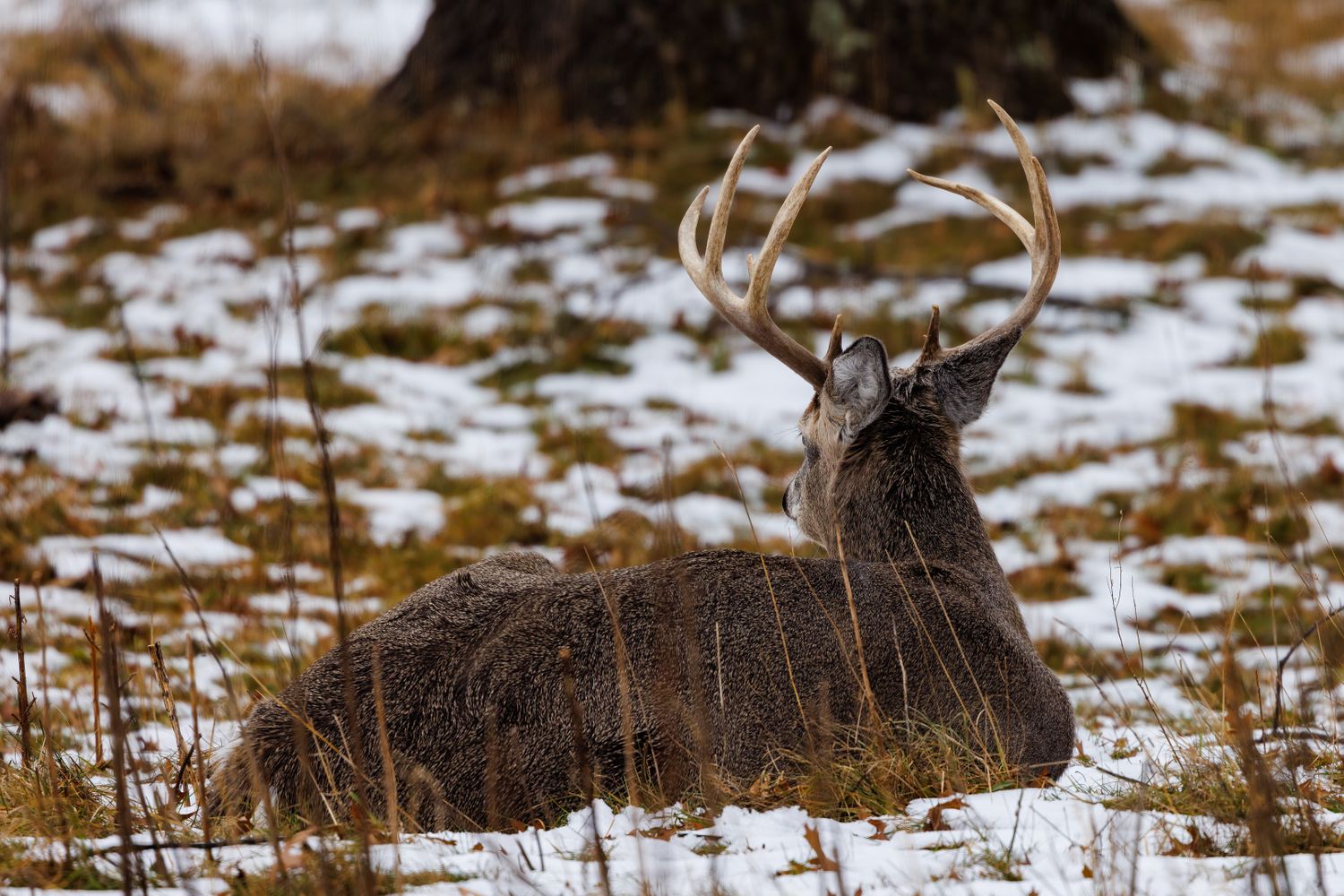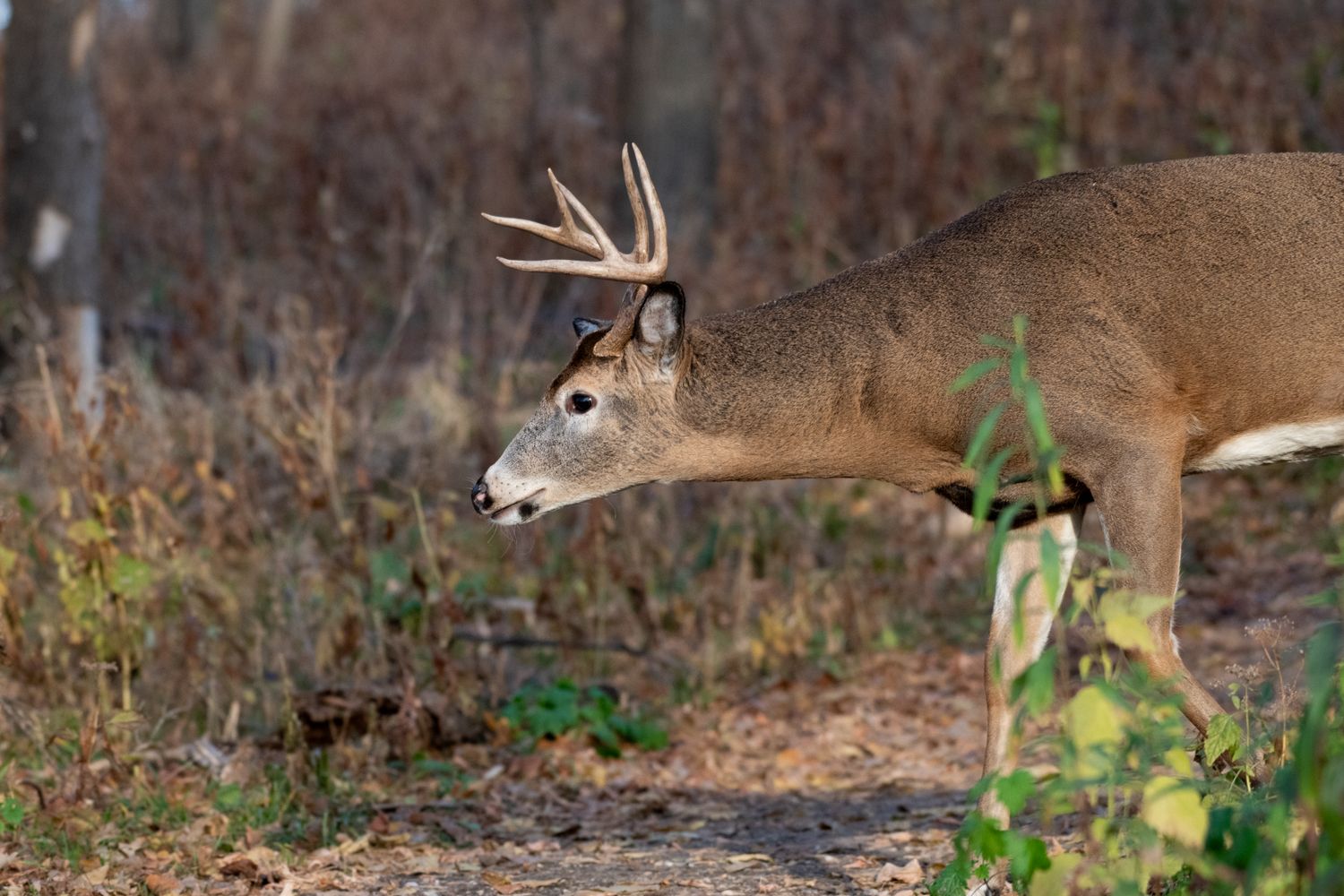
Tennessee hunters took roughly 168,000 whitetails during the 2024–25 season — up from about 153,000 the year before — out of a statewide herd estimated near 900,000 deer. That is a lot of deer on a lot of ground. So here is the uncomfortable question most hunters never ask before they write a lease check: are you paying for the herd, or are you paying for someone's asking price? In Tennessee those are very different numbers, and the gap between them is exactly where a smart lease lives.
Tennessee is one of the most underrated whitetail states in the South. It has trophy genetics in the middle of the state, river-bottom giants out west, and thousands of acres of cheap, lightly pressured timber in the east. It also has something most Southern and Mid-Atlantic states don't: no Sunday hunting restriction at all. If you lease private ground in Tennessee, you can hunt it seven days a week, every week of the season. This guide breaks down what leases actually cost across the state's three regions, which counties produce, the laws that protect (or expose) landowners, and how to price or find a lease without overpaying.
Tennessee Deer Hunting by the Numbers
- Statewide deer herd: roughly 900,000 (2025 state estimate)
- Average deer density: about 19.6 deer per square mile (2023)
- 2024–25 total harvest: ~168,000 deer (up from ~153,000 the prior year)
- Buck/doe split: roughly 59% antlered, 41% antlerless
- Deer Management Units: 6 (DMU 1–6), each with its own antlerless limits
- Statewide antlered limit: 2 bucks per season, no more than 1 per day
- Top harvest county: Giles County (4,254 deer in 2024–25, the perennial #1)
- Sunday hunting: fully legal — no blue-law closure on private or public land
- Typical lease range: roughly $5–$35 per acre depending on region, genetics, and amenities
Want a number specific to your tract or your budget instead of a statewide average? Run it through the HuntLease Lease Price Calculator — it weighs acreage, region, habitat, and amenities the same way the market does.
What Makes Tennessee Different
Three things separate Tennessee from its neighbors, and all three affect what a lease is worth.
1. Three regions, three completely different hunts
Tennessee stretches more than 400 miles east to west, and the deer hunting changes character along the way:
- West Tennessee — the Mississippi River bottoms, agricultural flats, and hardwood drainages from Memphis up to the Kentucky line. Big-bodied, big-antlered deer, heavy ag, and the highest lease competition in the state. This is also the core of Tennessee's CWD Management Zone (more on that below).
- Middle Tennessee — the rolling farm country and limestone ridges around Giles, Maury, Lincoln, and Bedford counties. This is the state's trophy and harvest belt. Giles County alone produced 4,254 deer in 2024–25. Quality soil grows quality antlers, and lease prices reflect it.
- East Tennessee — the Cumberland Plateau and the southern Appalachians. Lower deer densities, bigger blocks of timber, steeper ground, and by far the most affordable leases in the state. If you want a lot of acres for a small budget, this is where to look.
2. Sunday hunting is wide open
Pennsylvania still fights about it. North Carolina restricts firearm hours on Sundays. Tennessee simply doesn't care — there is no Sunday hunting restriction. For a working hunter who can only get out on weekends, a Tennessee lease effectively gives you a second full hunting day every week that a Pennsylvania or partial-restriction lease can't. That is real, quantifiable value, and it is one reason out-of-state hunters increasingly point their trucks at Tennessee.
3. A herd big enough to share
With roughly 900,000 deer and TWRA actively encouraging hunters to take does in overpopulated areas, Tennessee is not a state where you're fighting over a thin herd. Generous antlerless limits in the western units (three antlerless per day in DMUs 1–3) mean a lease can feed a family and still hold mature bucks. That matters when you're splitting a lease among several hunters and everyone wants to fill a freezer.
Tennessee Hunting Lease Prices in 2026
Here's the honest version: Tennessee's per-acre lease prices run a wide range. Older University of Tennessee Extension and TWRA figures pegged the statewide average around $3.50 per acre, with regional numbers from roughly $2.73 (west-central) to $4.25 (east-central). But that conservative, ag-rent-style number badly understates what a hunter actually pays for a good recreational lease today. Current market reports from Tennessee hunters put real-world deer leases more in the $10–$25 per acre range, with premium Middle and West Tennessee trophy ground pushing higher and remote East Tennessee timber coming in lower.
The table below is a 2026 market-grounded snapshot. Treat it as a starting bracket, not a quote — the only number that matters is the one your specific tract supports.
| Region | Typical per-acre lease | What you're paying for | Example: 200-acre tract / year |
|---|---|---|---|
| Middle Tennessee (Giles, Maury, Lincoln, Bedford) | $12–$30/acre | Top harvest belt, trophy genetics, rich soil, high demand | ~$2,400–$6,000 |
| West Tennessee (Fayette, Hardeman, Henry, Weakley) | $15–$35/acre | River-bottom giants, heavy ag, big bodies, low supply | ~$3,000–$7,000 |
| East Tennessee (Cumberland Plateau, Appalachians) | $5–$15/acre | Big timber blocks, lower density, more acres per dollar | ~$1,000–$3,000 |
Two adjustments swing these numbers hard. A cabin with electricity and running water can add roughly $1,000 a year on its own — lodging is consistently the second-biggest price driver behind acreage. And a small, exclusive tract (say 40–80 acres held by one or two hunters) almost always commands a higher per-acre rate than a 1,000-acre block split among a club, because exclusivity and convenience are worth a premium. To see how those factors stack on your own property, the Lease Price Calculator models them directly.
If you're comparing Tennessee against neighboring states, it sits in the value sweet spot — cheaper than the Midwest trophy belt, comparable to Kentucky, and a step up in deer quality from much of Appalachia. Our state-by-state lease price comparison puts those regional numbers side by side.
Pricing by Region: A Closer Look
Middle Tennessee — the trophy and harvest belt
If you want the best odds at a mature buck and the highest harvest density in the state, Middle Tennessee is the answer — and the market knows it. Giles County has been the state's #1 harvest county for years, and the surrounding counties (Maury, Lincoln, Bedford, Marshall) ride the same rich limestone soils. Leases here are competitive and often passed hunter-to-hunter before they ever hit the open market. Expect $12–$30 per acre for quality ground, and expect to move fast when something good lists. Browse what's currently available on HuntLease's Tennessee listings.
West Tennessee — river bottoms and big bodies
The Mississippi River corridor and the ag flats of Fayette, Hardeman, Henry, and Weakley counties grow some of the biggest-bodied deer in the South. Heavy soybean and corn rotations plus hardwood bottoms create a genetics-and-nutrition combination that produces giants. The catch: this is also the heart of the CWD Management Zone, which adds carcass-transport and feeding rules you need to understand before you sign. Quality West Tennessee leases run $15–$35 per acre, with the river-bottom trophy tracts at the top of that band.
East Tennessee — affordable timber and elbow room
The Cumberland Plateau and the mountains hold lower deer densities and steeper terrain, but they also hold the state's best lease values. If your priority is acreage, solitude, and a low annual cost — rather than maximum antler odds — East Tennessee delivers. Big blocks of timber lease for $5–$15 per acre, and you can often control far more ground for the same dollars you'd spend on a small Middle Tennessee tract. It's also excellent country to combine deer with turkey and small game.
Best Tennessee Counties by Goal
Not every hunter is chasing the same thing. Here's where to point depending on your goal:
- Trophy potential: Giles, Maury, Lincoln, and Fayette. Giles consistently tops the state in total harvest, and the Middle Tennessee limestone belt grows the antler quality that draws trophy hunters.
- Filling the freezer: The western DMUs (1–3) allow up to three antlerless deer per day. Counties like Henry, Weakley, and Gibson combine high deer numbers with liberal antlerless limits — ideal for a meat-focused lease shared among several hunters.
- Acreage on a budget: Cumberland Plateau and East Tennessee counties — Morgan, Fentress, Scott, Cumberland. Lower per-acre prices mean you can control real acreage without a Middle Tennessee price tag.
- Turkey + deer combo: Middle and West Tennessee both carry strong turkey populations alongside whitetails, letting one lease cover two seasons.
Tennessee Deer Seasons, Units & Bag Limits (2025–26)
Tennessee divides the state into six Deer Management Units (DMU 1–6), and the season framework runs essentially the same statewide while antlerless limits vary by unit. For the 2025–26 season:
- Private-land velvet archery: August 22–24, 2025
- Archery: September 27–October 24 and October 27–November 7, 2025
- Young Sportsman hunt: October 25–26, 2025
- Muzzleloader/archery: November 8–21, 2025
- Gun (statewide): November 22, 2025–January 4, 2026
On bag limits:
- Antlered: 2 bucks for the season statewide, no more than 1 per day.
- Antlerless: 3 per day in DMUs 1, 2, and 3; 2 for the season in DMUs 4, 5, and 6.
- Limits may be exceeded only through the Earn-A-Buck program or as a replacement buck in a CWD-positive county.
Every deer harvest must be reported through TWRA's mandatory system — the GoOutdoorsTennessee app or website — within 24 hours. Build that into your lease's house rules so every member is compliant. Always confirm the current year's framework in the official TWRA Hunting and Trapping Guide before opening day, since DMU boundaries and dates can shift year to year.
Tennessee license costs at a glance
License pricing held steady for 2025–26 after TWRA withdrew a proposed fee increase in June 2025. Current ballpark figures:
- Resident annual all-game: around $33
- Nonresident annual all-game: around $305
- Nonresident 3-day: around $66
- WMA Big Game Non-Quota Permit: around $24 (only needed for big game on Wildlife Management Areas, not on your private lease)
- Youth under 13: free; ages 13–15 Junior license about $9, covering big game
One quiet advantage of a private lease: you skip the WMA permit and the quota-hunt lottery entirely. Your lease is your access.
Chronic Wasting Disease: What Leaseholders Must Know
CWD is the single biggest regulatory wrinkle in Tennessee leasing, especially in the west. As of the 2025–26 season, TWRA has confirmed CWD in wild deer in 23 counties: Carroll, Chester, Crockett, Decatur, Dickson, Dyer, Fayette, Gibson, Hardeman, Hardin, Haywood, Henderson, Henry, Humphreys, Lauderdale, Lewis, Madison, McNairy, Shelby, Tipton, Wayne, Weakley, and Williamson. Prevalence is highest in Fayette (~28.7%) and Hardeman (~23.5%) counties.
If your lease falls inside the CWD Management Zone — concentrated in West Tennessee with some Middle Tennessee counties — you'll face carcass-transport restrictions (limits on moving whole carcasses out of the zone) and feeding/baiting restrictions. None of this should scare you off a great property; thousands of hunters lease productive CWD-zone ground every year. But it does belong in your lease agreement and your house rules: spell out carcass handling, testing expectations, and processing logistics up front. Check the current county list and zone map on TWRA's CWD resources before you sign.
Tennessee Lease Laws, Sunday Hunting & Landowner Liability
This is the section landowners skim and then regret skimming. Tennessee's liability framework has a twist that works strongly in a leasing landowner's favor — but only if you paper it correctly.
The recreational use statute and the "fee" trap
Tennessee's recreational use statute (Tenn. Code Ann. § 70-7-101 and following) says a landowner generally owes no duty of care to people using the land for hunting, fishing, and similar recreation, and doesn't have to warn them of hazards. That's broad protection — the kind that makes letting people hunt your land low-risk.
Here's the catch every leasing landowner has to understand: that automatic immunity does not apply when you grant access for a fee. The moment money changes hands — the moment it's a paid lease — the blanket recreational-use shield falls away. This is the same trap North Carolina landowners face, and we covered the parallel in our landowner liability guide.
Tennessee's written-waiver fix
But Tennessee gives leasing landowners something many states don't. Under § 70-7-105, any person 18 or older who enters your land for a consideration (a paid lease) may waive the landowner's duty of care in writing. That written waiver does not cover gross negligence or willful and wanton conduct, and it can't excuse a failure to guard or warn against a known dangerous condition — but for ordinary risk, a properly drafted, signed waiver effectively restores much of the protection the fee otherwise stripped away.
Translation: in Tennessee, a paid lease without a written waiver leaves you exposed, while a paid lease with a signed liability waiver puts you back on solid ground. That single document is the cheapest insurance a Tennessee landowner can buy. Don't lease on a handshake. Start from a real written agreement — our sample hunting lease agreement includes the waiver and indemnification language Tennessee landowners should be using, and you should still carry appropriate liability insurance on top of it.
Sunday hunting and posting
Two more practical points. First, Sunday hunting is fully legal in Tennessee with no blue-law closure — a genuine selling point when you market a lease to weekend hunters. Second, post and mark your boundaries clearly and put trespass terms in writing; clear boundaries protect both the landowner and the leaseholders and head off disputes before they start.
How to Price Your Tennessee Land for Lease
If you own ground in Tennessee and want to lease it, here's the five-step process that gets you to a defensible number instead of a guess:
- Start with your region's per-acre band. Middle TN $12–$30, West TN $15–$35, East TN $5–$15. That's your anchor.
- Adjust for habitat and genetics. Ag fields, food plots, mature hardwoods, water, and a history of mature bucks all push you toward the top of the band. Open pasture or recently logged ground pulls you toward the bottom.
- Add for amenities. A usable cabin with power and water can add ~$1,000/year. Established stands, blinds, interior roads, and electricity all add real value.
- Factor exclusivity and acreage. Smaller exclusive tracts command higher per-acre rates; large blocks split among a club come in lower per acre but earn more in total.
- Run the calculator and list. Plug it all into the Lease Price Calculator for a data-backed figure, then list it where Tennessee hunters are actually looking.
For the deeper mechanics of pricing models, our guides on per-hunter vs. per-acre pricing and how much to charge for a hunting lease walk through the trade-offs in detail.
How to Find or List a Tennessee Lease on HuntLease
If you're a hunter, the fastest way to find ground is to browse current Tennessee listings, filter by region and acreage, and reach out early — the best Middle and West Tennessee tracts move quickly. Run any listing's asking price through the calculator first so you know whether you're looking at a fair deal or an optimistic one.
If you're a landowner, Tennessee's combination of a big herd, legal Sunday hunting, and strong out-of-state demand makes it a great place to turn idle acreage into reliable annual income. See exactly how the process works on the landowner page, price your tract with the calculator, and list it where serious hunters are searching. Hunters in neighboring states are already comparing Tennessee against options like our Kentucky and Virginia markets — meet them where they're looking.
What's Driving Tennessee Lease Demand in 2026
A few forces are tightening the Tennessee lease market and nudging prices upward. Out-of-state pressure is real: hunters from states with shorter seasons, Sunday closures, or pricier ground are increasingly leasing in Tennessee, and a nonresident all-game license at roughly $305 is a small line item next to what a quality lease delivers. At the same time, the supply of huntable private ground keeps shrinking as farmland changes hands and development creeps outward from Nashville, Memphis, and the Tri-Cities — the same public-land-scarcity dynamic pushing hunters everywhere toward private leases.
For landowners, that's leverage. A well-managed tract with food plots, water, mature timber, and a written lease can command the top of its regional band and renew year after year with the same group. The smartest Tennessee landowners treat a lease like a recurring revenue line, not a one-off favor: they price it with data, paper it with a real agreement and waiver, and market it where serious hunters search. The lazy version — a handshake deal at a number pulled from thin air — leaves money on the table and liability on the books. Decide which landowner you want to be before the next season's inquiries start rolling in.
Tennessee Hunting Lease FAQ
How much does a hunting lease cost in Tennessee?
Most quality Tennessee deer leases run roughly $5–$35 per acre depending on region: East Tennessee timber at the low end ($5–$15), Middle Tennessee trophy ground in the middle ($12–$30), and premium West Tennessee river-bottom tracts at the top ($15–$35). Amenities like a cabin can add about $1,000/year. Use the Lease Price Calculator for a tract-specific number.
Can you hunt on Sundays in Tennessee?
Yes. Tennessee has no Sunday hunting restriction on private or public land — you can hunt seven days a week throughout the season.
What's the best region of Tennessee for big bucks?
Middle Tennessee (Giles, Maury, Lincoln) leads in harvest and antler quality thanks to rich limestone soils, while West Tennessee's river bottoms grow the biggest-bodied deer. East Tennessee offers the most affordable acreage but lower densities.
Is a landowner liable if a hunter gets hurt on a Tennessee lease?
Tennessee's recreational use statute normally shields landowners, but that protection falls away once you charge a fee. The fix is a written liability waiver under § 70-7-105, signed by each adult hunter, plus appropriate insurance. Always lease with a written agreement, never a handshake.
Do I need to worry about CWD on a Tennessee lease?
If your lease is in one of the 23 CWD-positive counties or the broader Management Zone (mostly West Tennessee), you'll have carcass-transport and feeding restrictions. It's manageable — just spell out carcass handling and testing in your lease and check TWRA's current county list before the season.
The Bottom Line
Tennessee gives you a 900,000-deer herd, legal Sunday hunting, genuine trophy potential, and lease prices that still undercut the Midwest. Whether you're a hunter hunting for the right tract or a landowner sitting on acreage that could be paying you every year, the move is the same: anchor on a real number, paper the deal correctly, and meet the market where it's searching. Start by running your acreage — or that listing you're eyeing — through the HuntLease Lease Price Calculator, then browse or post on Tennessee listings. The herd is there. The Sundays are open. Go get your ground.