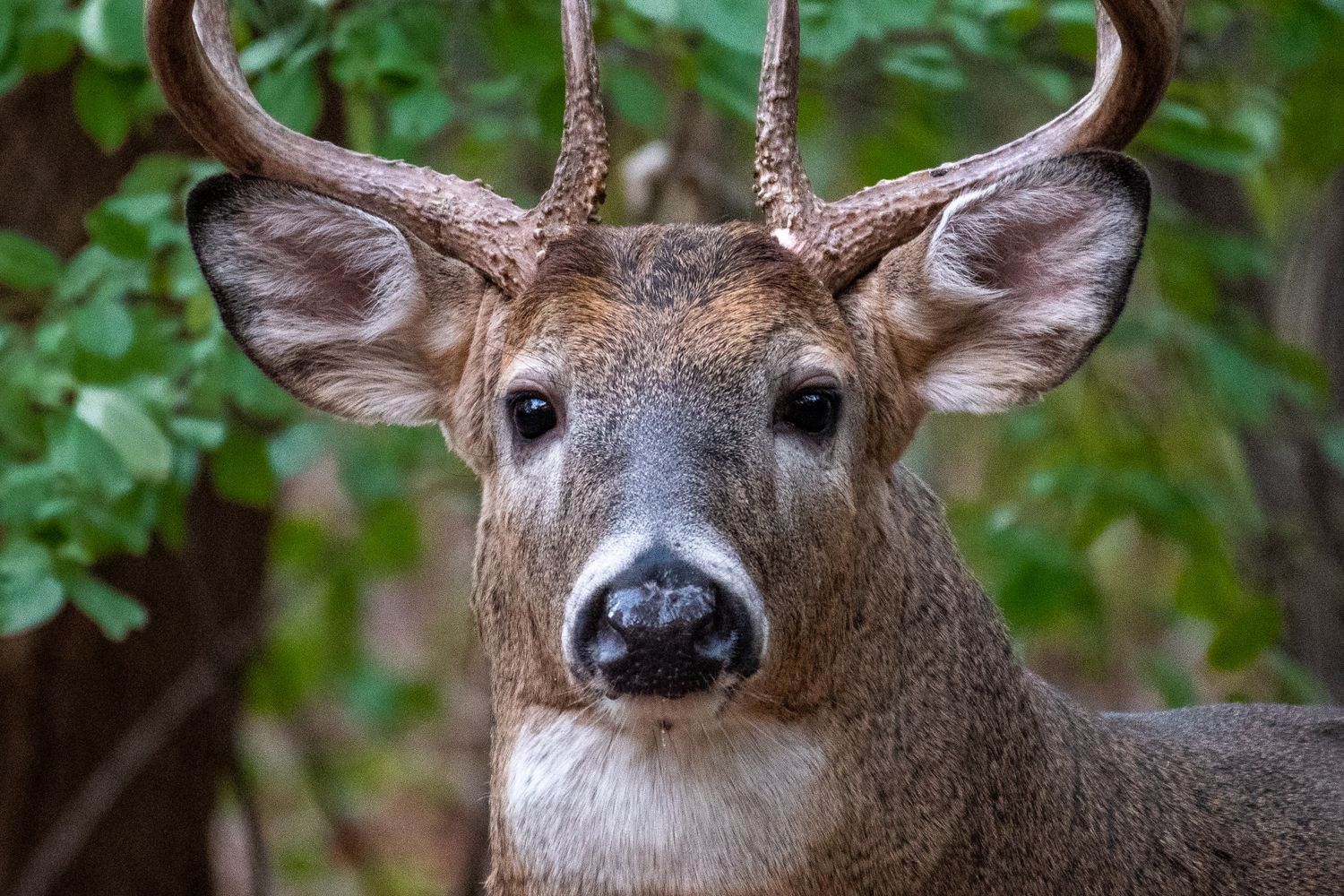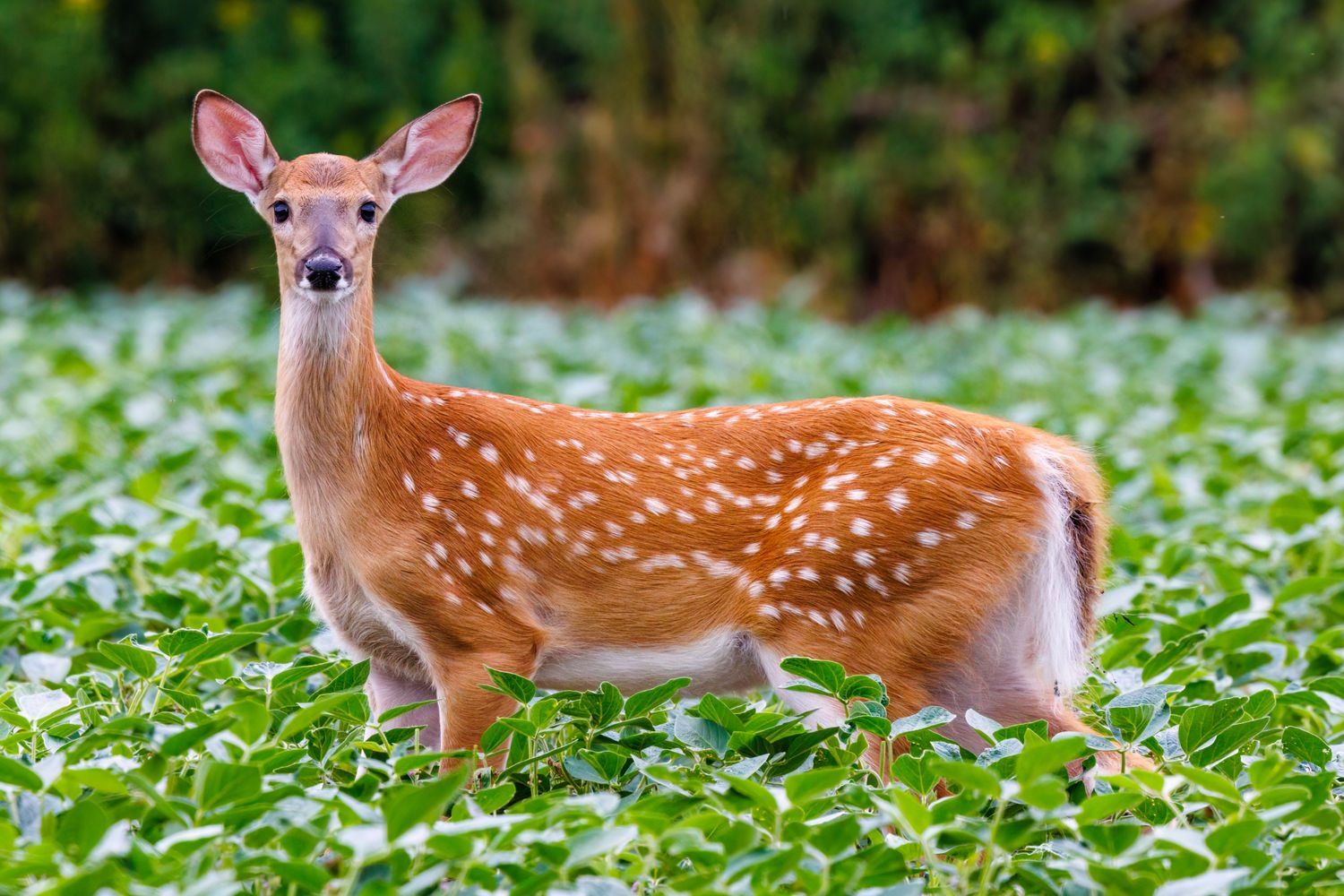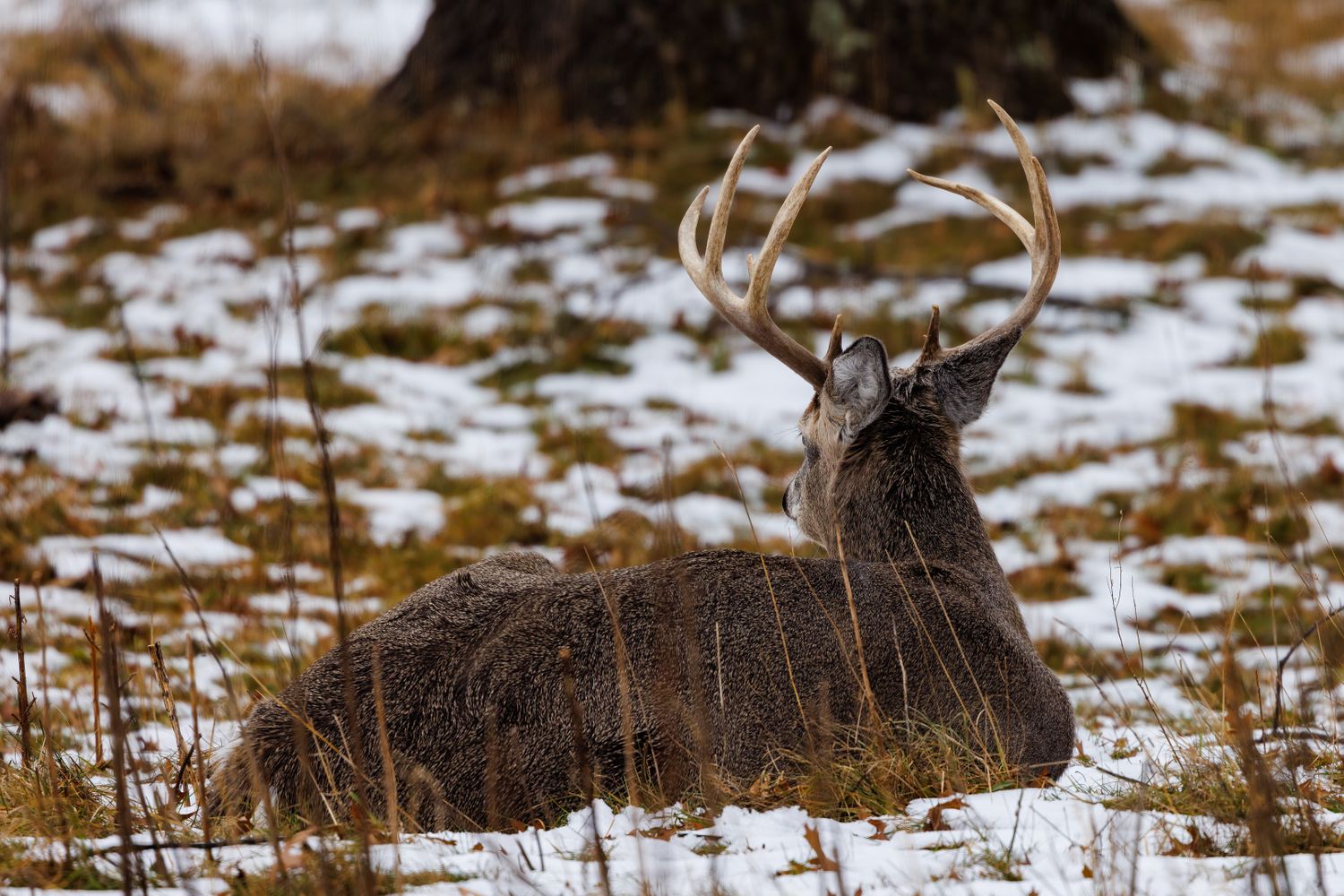
Ask a hundred serious whitetail hunters to name the one state they'd mortgage a season for, and a startling number will say the same thing: Kansas. Not because it has the most deer — it doesn't — but because it grows some of the oldest, heaviest, widest-racked bucks on the continent and then hands out its nonresident tags through a lottery that keeps pressure low and expectations sky-high. That combination — world-class genetics plus a deliberately throttled nonresident draw — is exactly why a Kansas hunting lease is one of the most valuable pieces of paper a landowner in the Sunflower State can hold.
If you own ground in Kansas, the trophy reputation that frustrates out-of-state hunters is your leverage. And if you're a hunter chasing that once-in-a-lifetime buck, a private lease is often the most reliable way to actually hunt Kansas year after year, because it sidesteps the draw odds that shrink a little more every season. This guide breaks down what Kansas hunting leases really cost in 2026, where the premium ground is, and the seasons and laws that shape every deal.
Here's what we'll cover:
- Kansas deer hunting by the numbers — herd, harvest, and trophy pedigree
- The nonresident draw and why it makes Kansas leases so valuable
- What Kansas leases actually cost — regional and county-level pricing
- The best counties for trophy whitetails, mule deer, and turkey
- 2025–26 seasons, permits, and license fees
- Sunday hunting, CWD, and the full legal picture for landowners
- How to price, market, and protect your Kansas lease
- A landowner and hunter FAQ
Kansas Deer Hunting by the Numbers
Kansas is a mid-sized deer state with an outsized trophy footprint. The herd is healthy and, by the state's own accounting, has recently hit record levels. What sets Kansas apart isn't raw density — it's age structure. Low hunter pressure across huge private-land holdings lets bucks slip into the 4½-, 5½-, and 6½-year-old brackets where antlers explode, and the rich agricultural diet of corn, soybeans, milo, and alfalfa puts weight and inches on frames that would be impressive anywhere.
| Metric | Kansas figure (most recent published) |
|---|---|
| Total deer harvest (2023–24) | ~89,390 deer |
| Total permits issued | 174,771 (124,174 resident / 50,597 nonresident) |
| Resident hunter success | 52.9% |
| Nonresident hunter success | 55.3% |
| Whitetail antlered bucks harvested | 41,982 |
| Whitetail antlerless harvested | 38,833 |
| Mule deer harvested (bucks / antlerless) | 1,064 / 174 |
| Deer management units | 18 statewide units |
| Sunday hunting | Legal statewide |
| Two deer species | Whitetail (statewide) & mule deer (western third) |
Two numbers on that table tell the whole lease story. First, nonresident success sits above resident success — 55.3% versus 52.9% — which almost never happens in a deer state and reflects the fact that out-of-state hunters usually book quality private ground and hunt it hard for a trophy. Second, more than 50,000 nonresident permits move each year despite a capped lottery, proof of relentless outside demand for Kansas access. Every one of those hunters needs somewhere to hunt, and a large share of them end up on leased private land.
Trophy pedigree: why the world watches Kansas
Kansas is a perennial top-five state in the Boone & Crockett and Pope & Young record books relative to its size, and the northern and eastern tiers produce a steady drumbeat of 150- to 190-inch bucks. The genetics are simply there, and the management culture — long firearm-light seasons, huge unpressured farms, and a draw that limits how many nonresidents can chase mature bucks — protects the age classes that make those scores possible. When a landowner leases well-managed Kansas timber-and-crop ground, that trophy pedigree is baked directly into the rent.
What Makes Kansas Special
Age structure is the whole game. Plenty of states have more deer per square mile than Kansas. Almost none let bucks live as long. Between the short firearm window, the capped nonresident draw, and thousands of large private farms that see only a handful of hunters, Kansas bucks routinely reach the 4½-to-6½-year-old range where antler growth peaks. That's the single biggest reason a Kansas lease is worth more than the raw deer count suggests — you're renting access to mature animals, not just deer.
Agriculture builds giants. The Kansas landscape is a year-round buffet of corn, soybeans, milo, wheat, and alfalfa, interlaced with CRP grass and timbered creek and river corridors. That nutrition, layered on top of good genetics and age, is what turns a 3½-year-old buck into a 170-inch 5½-year-old. Landowners who manage even modest food plots and standing crops on top of that base see their trophy potential — and their lease value — climb.
Two species, two hunts. Whitetails blanket the entire state, while mule deer add a distinctly western flavor across the High Plains. That dual opportunity is rare east of the Rockies and gives western Kansas ground a niche that eastern trophy farms can't match.
Rifles are legal. Unlike shotgun-only or straight-wall-cartridge states nearby, Kansas allows centerfire rifles during the firearm season. For hunters used to those restrictions, the ability to hunt open country with a flat-shooting rifle is a genuine draw and a point worth noting when you market a lease with long sightlines.
Freedom to hunt the calendar. With legal Sunday hunting and one of the longer archery seasons in the region (mid-September through December), a Kansas lessee can hunt early-season patterns, the November rut, and the December post-rut all on the same ground. More huntable days per dollar is a real, marketable advantage.
The Nonresident Draw — and Why It Makes Kansas Leases So Valuable
Understanding Kansas lease value starts with understanding the nonresident draw, because scarcity of public access is what drives so much money toward private access.
Nonresident whitetail permits in Kansas are issued by lottery, not over the counter. Applicants apply to a specific unit or unit group, pay the full permit price up front, and are entered into a preference-point draw that gives weighted priority to hunters who have applied unsuccessfully in prior years. In-demand units can require several points to draw, and the odds have generally tightened over time as the state's reputation has grown. Mule deer opportunity for nonresidents is far more limited still, restricted to certain western units through a separate, very competitive draw.
For the landowner, this is the engine of lease value. A nonresident who finally draws a coveted unit is not going to waste that tag on marginal ground — they want a proven farm with age structure, food, and cover, and they will pay a premium to lock it in for the years they hold points and eventually draw. For the resident hunter, a private lease is a way to guarantee quality access without fighting crowds on the limited public and walk-in ground. Both sides of that equation push Kansas per-acre lease rates above what the raw deer density alone would justify.
If you own Kansas ground and you're trying to translate that demand into a fair number, the fastest starting point is our Lease Price Calculator, which factors species, acreage, habitat, and region into a defensible per-acre and per-hunter estimate.
What Kansas Leases Cost
Kansas lease pricing spans a wide band because "a Kansas lease" can mean anything from 160 acres of managed river-bottom timber leased to a single trophy hunter to 2,000 acres of mixed CRP and row crop in the west leased to a small group. As a broad benchmark, bare-land Kansas leases commonly run in the $5–$15 per acre range, while smaller, intensively managed trophy tracts in the premium northern and eastern counties frequently command $20–$45+ per acre, and turnkey properties with lodging, food plots, established stands, and feeders can run 30–50% higher than comparable bare ground.
The factors that move a Kansas lease up or down the price ladder are consistent:
- Trophy history. Documented mature-buck harvests and trail-camera inventory of shooter-class deer are the single biggest multiplier. Kansas hunters pay for age, not just numbers.
- County and region. A parcel in a north-central or northeast "golden triangle" county carries a reputation premium a nearly identical parcel in the southwest does not.
- Habitat mix. The classic Kansas jackpot is a timbered creek or river corridor bordered by standing crops and CRP grass. Diverse edge holds and grows big deer.
- Access and exclusivity. A lease that guarantees a hunter or small group sole access is worth far more than shared ground with rotating pressure.
- Improvements. Food plots, box blinds, feeders (where legal), interior trails, and lodging all add rent.
- Acreage. Small tracts price higher per acre; large tracts price lower per acre but generate more total income.
Kansas lease price quick reference
| Region | Typical avg $/acre | Premium $/acre | Annual cost, 300 acres (typical) |
|---|---|---|---|
| Northeast & North-Central "golden triangle" | $18–30 | $40–50+ | $5,400–$9,000 |
| Eastern Kansas / Flint Hills fringe | $12–22 | $25–35 | $3,600–$6,600 |
| Central mixed ag & river corridors | $8–18 | $20–28 | $2,400–$5,400 |
| Southeast Kansas timber | $8–16 | $18–26 | $2,400–$4,800 |
| Western High Plains (whitetail + mule deer) | $5–12 | $14–20 | $1,500–$3,600 |
These ranges reflect 2025–26 asking rates for private deer ground and are meant as planning anchors, not appraisals. The right number for a specific farm depends on its trophy record, habitat, and improvements — which is exactly what our Lease Price Calculator is built to weigh. For a broader multi-state benchmark, our state-by-state lease price comparison shows how Kansas stacks up against neighbors like Missouri and Iowa.
Regional and County-Level Pricing Breakdown
Northeast & North-Central Kansas — the trophy belt
This is the ground that made Kansas famous. The tier of counties running along the Nebraska border and just south of it — think Brown, Doniphan, Nemaha, Marshall, Washington, Republic, Cloud, Jewell, Smith — combines fertile crop rotations, timbered draws, and river systems into a whitetail factory. Big-buck harvests here are routine, and the region's name recognition alone commands the state's highest lease rates. Expect small managed tracts to push $30–$50 per acre, with quality 300-acre farms leasing anywhere from roughly $5,400 to $9,000 per year, and truly elite trophy operations exceeding that. A hunter targeting a 170-inch buck will pay this premium without blinking because the odds here are genuinely better than almost anywhere else.
Eastern Kansas & the Flint Hills fringe
Moving south and east, the mix of hardwood timber, tallgrass prairie, and pockets of row crop still produces excellent whitetails, though the wide-open Flint Hills grazing country in the core has less deer cover than the wooded eastern counties. Counties such as Anderson, Franklin, Miami, Linn, Osage, and Coffey offer strong timber-and-crop edge and sit within easy reach of the Kansas City and Topeka markets, keeping demand steady. Typical rates land in the $12–$22 per-acre band, with premium ground reaching the mid-$30s. A 300-acre eastern lease commonly runs $3,600 to $6,600 a year.
Central Kansas & the major river corridors
Central Kansas is agricultural country stitched together by the Smoky Hill, Saline, Solomon, and Arkansas river systems. The rivers are the story: the timbered corridors funnel deer movement and hold mature bucks in otherwise open farmland. Away from the rivers, cover thins and prices soften. Rates run $8–$18 per acre with river-corridor premiums to the high $20s. A 300-acre central lease typically falls between $2,400 and $5,400.
Southeast Kansas timber
The southeast corner — Cherokee, Crawford, Labette, Montgomery, Neosho, and Wilson counties — is more heavily timbered than most of the state, with oak woods, strip-mine ground, and crop bottoms. Deer numbers are solid and lease prices are more affordable than the northern trophy belt, making this a value region for hunters who want quality Kansas hunting without golden-triangle pricing. Look for $8–$16 per acre, premium ground to the mid-$20s, and 300-acre leases around $2,400 to $4,800.
Western High Plains
The western third is big-country hunting: sprawling wheat, milo, and CRP acreage with cottonwood-lined creeks, plus the state's mule deer range. Whitetails concentrate along the water and cover, and mule deer roam the open plains and breaks — though remember nonresident mule deer access is tightly drawn. Per-acre rates are the state's lowest at $5–$12, but the parcels are large, so total lease income can still be substantial. A 1,000-acre western lease at $8 per acre is $8,000 a year even though the per-acre rate looks modest. This is also the region where CWD is most established, a factor worth weighing (covered below).
Best Counties by Goal
Trophy whitetail (the top tier)
For sheer trophy potential, the north-central and northeast counties lead: Nemaha, Brown, Doniphan, Marshall, Washington, Republic, Cloud, Jewell, and Smith. These counties combine agricultural richness, river and creek timber, and comparatively light pressure. The eastern counties of Anderson, Linn, Miami, and Franklin round out the elite whitetail group with excellent timber-crop edge.
Value whitetail (quality without the premium)
Hunters who want a strong shot at a mature buck at a friendlier price should look at southeast Kansas (Cherokee, Crawford, Labette, Montgomery) and the central river corridors (Ellsworth, Rice, Barton, McPherson along the Smoky Hill and Arkansas). These areas produce good deer and lease for meaningfully less than the golden triangle.
Mule deer
Mule deer are a western-Kansas specialty, concentrated in the northwest and southwest units — counties like Cheyenne, Rawlins, Decatur, Norton, Sherman, Thomas, and the Cimarron country of the far southwest. Nonresident mule deer permits are extremely limited and unit-restricted, so mule-deer-focused leases are mostly a resident and landowner story. Where a nonresident does draw, a private lease in the right unit is worth its weight in gold.
Turkey
Kansas is also a genuine turkey destination, holding Rio Grande, Eastern, and hybrid birds. Spring turkey leases — or turkey rights bundled into a deer lease — add value, particularly in the eastern half and along the river systems. A landowner can meaningfully increase total rent by offering spring turkey access alongside fall deer hunting.
2025–26 Seasons & Regulations
Kansas runs a long, layered deer calendar built around a short but iconic early-December firearm season. Always confirm current dates and unit rules with the Kansas Department of Wildlife and Parks (KDWP) before hunting, but here is the 2025–26 framework:
| Season | 2025–26 dates |
|---|---|
| Archery | Sept. 15 – Dec. 31, 2025 |
| Early muzzleloader | Sept. 15 – 28, 2025 |
| Pre-rut whitetail antlerless firearm | Oct. 11 – 13, 2025 |
| Regular firearm (statewide) | Dec. 3 – 14, 2025 |
| Extended firearm, antlerless only | Jan. 1 – 11, 2026 (unit-dependent; special extended Jan. 1 – 18) |
| Extended archery, antlerless only | Jan. 19 – 31, 2026 (Units 19 & 10A) |
The heart of the Kansas gun season is that twelve-day early-December firearm window. It falls late enough to catch post-rut movement and cold-weather feeding but is short enough that pressure spikes and then relaxes — one reason mature bucks survive at such high rates. For the 2026–27 season, KDWP has archery running Sept. 14 – Dec. 31, 2026, muzzleloader Sept. 14 – 27, 2026, and regular firearm Dec. 2 – 13, 2026.
Timing the Kansas rut
Kansas's calendar is built to let hunters play the whole rut cycle, and understanding that timing helps both landowners describe a lease and hunters plan a trip. Early archery in September and October is a food-and-water game — patternable bucks hitting crops and green fields before pressure builds. The pre-rut in late October and early November brings increased daylight movement as bucks begin cruising, and the archery peak in mid-November lines up with the classic Kansas rut, when the state's biggest deer are on their feet chasing does. The regular firearm season in early December then catches the post-rut, when worn-down bucks pile back onto food during cold snaps — a deadly time for a rifle hunter on a crop field. A lease that offers archery access through the November rut and the December gun season effectively bundles the two best windows of the year, which is part of why full-season Kansas leases command a premium over trips built around a single week.
Bag limits and legal weapons
Each Kansas deer permit is generally valid for one deer of the type and unit specified, with additional antlerless permits available in many units to help manage numbers. Legal equipment follows the season — archery equipment during archery seasons, muzzleloaders during the muzzleloader season, and legal firearms (including centerfire rifles, a key difference from shotgun-only states) during the firearm season. Crossbows are broadly legal during archery season. Because permit types, unit boundaries, and antlerless allocations change, verify the specifics for your unit each year.
License and permit fees
| Item | Approx. 2025–26 cost |
|---|---|
| Nonresident whitetail deer permit | $477.50 (includes $27.50 nonrefundable application fee) |
| Nonresident annual hunting license | $127.50 |
| Resident deer permit | ~$52.50 |
| Resident annual hunting license | ~$27.50 |
| Nonresident application window | ~April 1 – 25; results early June |
Note the structure of the nonresident deer draw: applicants pay the full $477.50 permit fee at application and are refunded all but the $27.50 application fee if they don't draw. Resident landowners and tenants also have access to special permits for their own ground under KDWP rules — a genuine benefit worth understanding if you own or operate Kansas land. Fees are set by KDWP and change periodically, so confirm current amounts before applying.
Youth and turkey seasons
Kansas offers youth and special deer opportunities to bring new hunters into the sport, and a robust spring turkey season (Rio Grande, Eastern, and hybrids) that overlaps well with deer scouting. Bundling spring turkey access into a deer lease is a common way for Kansas landowners to add rent without adding much management burden.
Sunday Hunting in Kansas
Good news for landowners and lessees alike: Kansas has no Sunday hunting restriction. You can legally hunt seven days a week throughout the open seasons. That may sound minor, but it's a real selling point when marketing a lease, especially to nonresident hunters who travel long distances and want to maximize every day of a short trip. A hunter comparing a Kansas lease to one in a blue-law state is effectively getting extra huntable days for the same money — worth mentioning right in your listing. It's the kind of detail that separates a lease that sits from one that gets snapped up, and it costs you nothing to advertise.
Chronic Wasting Disease (CWD) in Kansas
CWD is an established and slowly spreading reality in Kansas, and any honest lease guide has to address it. As of mid-2024 reporting, CWD had been detected in roughly 49 Kansas counties, with the heaviest concentration across the western half of the state; KDWP has focused recent surveillance on the northwest zone, the hardest-hit region. The disease is a progressive, always-fatal neurological illness of deer, elk, and moose, and while there is no evidence it infects humans, the CDC advises against eating meat from an infected animal.
For the 2025–26 seasons, KDWP is offering free, limited CWD testing, and hunters are encouraged to have deer from affected areas tested. Landowners should know a few practical points:
- Carcass-movement and disposal rules can apply when transporting deer out of certain areas — check current KDWP guidance for your unit.
- CWD does affect perception more than pricing in most of Kansas. In the eastern and north-central trophy belt, prevalence is lower and demand remains intense. In parts of the west where prevalence is higher, some hunters factor it in, but big-country access there is still valued.
- Transparency builds trust. A landowner who is upfront about the local CWD picture and supports testing tends to build longer, more stable lease relationships.
The Full Legal Picture for Kansas Landowners
Leasing your land for hunting is a business transaction, and Kansas law shapes how much protection you have when you do it. This section is an overview, not legal advice — consult a Kansas attorney for your specific situation.
Recreational use statute and liability
Kansas has a longstanding recreational use statute designed to limit a landowner's liability when people use their property for outdoor recreation. Land enrolled in the state's Walk-In Hunting Area program falls within its protection, and the statute generally reduces the duty of care an owner owes to recreational users. But — and this is the critical nuance that trips up landowners in Kansas just as it does in Missouri, Iowa, and across the country — recreational use statutes are typically strongest when access is granted without charge. Once you accept a lease payment, you are no longer offering free recreation, and the statutory shield can weaken or fall away.
That does not mean leasing is dangerous; it means the lease itself has to do the protective work the statute no longer fully provides. The real protection for a Kansas lease is a three-part stack:
- A written lease agreement with clear terms, a liability-waiver and assumption-of-risk clause, and defined boundaries and rules.
- A liability release signed by every hunter on the property, not just the lead lessee.
- Hunting-lease liability insurance that names you as the landowner — because standard farm policies frequently exclude or limit coverage for paid hunting activity.
We cover the liability question in depth in this landowner protection guide, and the insurance side — including why farm insurance often isn't enough — in our hunting lease insurance guide.
The written-lease checklist
A solid Kansas hunting lease should address, at minimum, these ten elements:
- Names of the landowner and every hunter granted access.
- Exact property description and mapped boundaries.
- Term dates and the total lease fee and payment schedule.
- What's permitted — species, weapons, number of hunters, guests.
- What's prohibited — subleasing, ATVs off designated trails, tree-stand damage, trash.
- Liability waiver, assumption of risk, and indemnification language.
- Insurance requirements and proof-of-insurance obligations.
- Rules for stands, blinds, food plots, and any improvements.
- Damage, restoration, and end-of-term cleanup responsibilities.
- Termination, default, and dispute-resolution terms.
You don't have to draft this from scratch. Our sample lease agreement gives you a Kansas-ready starting framework you can adapt with local counsel.
Trespass, posting, and the purple paint law
Kansas is firmly a "permission first" state. It is illegal to hunt on private land without the owner's permission whether or not the land is posted. On top of that baseline, Kansas recognizes purple-paint posting: a landowner can mark boundaries with vertical purple paint lines at least eight inches long, with the bottom of each mark three to five feet off the ground and readily visible to anyone approaching. Unlike some states, Kansas sets no maximum spacing between marks. Land posted "Written Permission Only" or marked with purple paint requires written permission to enter. A limited exception lets a licensed hunter follow a wounded animal onto posted land, but they must leave if the owner instructs them to.
For a landowner leasing ground, clear posting and a written lease work together: posting keeps unauthorized hunters out, and the lease documents exactly who is authorized and under what terms. That combination protects both your deer herd and your liability position.
Baiting and feeding
Kansas regulations on baiting and feeding for deer hunting have specific limitations, and CWD-management concerns have pushed many states toward tighter feeding rules. Because these provisions change and can vary by area, confirm the current baiting and feeding regulations with KDWP before you build feeding into a lease's marketing or management plan.
How to Price Your Kansas Property
Setting the right number is part data and part positioning. Here's a five-step approach that keeps you competitive without leaving money on the table:
- Start with a regional base rate. Use the quick-reference table above to find your region's typical per-acre band. A north-central trophy farm starts far higher than western High Plains ground.
- Adjust for your property's real trophy record. Trail-camera inventory of mature bucks, past harvest photos, and consistent age structure justify pushing toward — or past — the premium end. Honest documentation is your best pricing tool. This is where scouting data pays for itself; our HuntLease Scouting maps and Field Ready Score help you show a prospective lessee exactly why your ground is worth it.
- Run the numbers through the calculator. Plug your acreage, species, habitat, and region into the Lease Price Calculator for a defensible figure you can point to in negotiations.
- Decide per-acre vs. per-hunter. Large tracts usually price cleanly per acre. Smaller trophy tracts often earn more billed per gun — a managed 200-acre farm might lease for $2,000–$5,000+ per hunter to a small, carefully vetted group. We break the two models down in our per-hunter vs. per-acre guide.
- Factor in size and rules. Tighter rules (fewer hunters, buck-age restrictions, no ATVs) protect your herd and can actually raise what a serious trophy hunter will pay, because it signals quality management.
For a deeper walkthrough of the pricing math across acreage brackets, see what hunters pay across 10/40/100/500/1,000-acre tracts, and for a plain-language primer, how much you should charge for a hunting lease.
Marketing Your Kansas Lease
Kansas markets itself — the state's trophy reputation does most of the selling — but how you present a listing still determines how fast it moves and to whom.
Write a title that leads with what buyers search for.
- Do: "160-Acre Nemaha County Trophy Whitetail Lease — Timber, Crops & River Bottom, Sole Access"
- Don't: "Hunting land available, call for details"
The strong title names the county, the acreage, the habitat, and the exclusivity — exactly the terms a serious Kansas hunter filters for. The weak title tells them nothing and gets skipped.
Know your target buyer. Kansas leases sell to two main markets: the traveling nonresident trophy hunter (often holding preference points and hunting hard for a mature buck) and the in-state or regional hunter who wants reliable quality access without the draw stress. Nonresidents from Missouri, Nebraska, Oklahoma, Texas, and the upper Midwest are a huge share of Kansas lease demand. List your Kansas property where those hunters are already looking — on the HuntLease Kansas listings — and lean into the details that matter to them: trophy history, Sunday hunting, exclusivity, and access logistics.
Screen your hunters. A good lease relationship is a multi-year one, so vet prospects before you sign. Reasonable screening questions: How many hunters will be on the ground? What's your experience and how do you handle safety? Are you comfortable with buck-age or harvest guidelines? Do you carry (or will you get) liability insurance? Red flags include reluctance to sign a written lease, pressure to allow more hunters than agreed, evasiveness about insurance, or wanting to sublease. The HuntLease landowner tools walk you through listing and vetting step by step.
The gear conversation — turning access into a great hunt
Once a hunter locks in a Kansas lease, the next question is always equipment, and it's a natural place for a landowner or outfitter to add value (and for a hunter to prepare). Kansas is big country with cold Decembers and long sightlines, so the gear that matters most is the gear that helps you inventory deer and reach across distance. A serious scouting setup starts with cameras — our roundup of the best trail cameras and cellular scouting tech covers the cellular units that let you pattern a lease from home. For those long Kansas fields and river-bottom crossings, quality optics earn their keep; see our hunting optics guide. And because a December Kansas sit can be brutally cold, the right footwear is non-negotiable — our 2026 hunting boots guide breaks down early-, mid-, and late-season picks.
Kansas Hunting Lease FAQ
For landowners
How much can I realistically make leasing my Kansas land? It depends heavily on region and trophy history, but a 300-acre farm can range from roughly $1,500 in the western High Plains to $9,000 or more in the north-central trophy belt, with elite managed tracts exceeding that. Run your specifics through the Lease Price Calculator for a tailored estimate.
Does leasing put my liability at risk? Accepting payment can weaken the recreational use statute's protection, but a written lease with a signed liability release plus hunting-lease insurance restores strong protection. Don't rely on a farm policy alone — many exclude paid hunting.
Can I lease turkey rights separately or add them to a deer lease? Yes, and it's a smart way to increase total rent. Kansas holds strong spring turkey numbers, and bundling spring access with fall deer hunting is common.
Do I still get to hunt my own land if I lease it? That's entirely up to the lease terms. Many landowners reserve personal hunting rights or specific areas/dates for themselves — just write it clearly into the agreement so expectations are set from day one.
For hunters
Is leasing better than the nonresident draw? They serve different needs. The draw gets you a permit; a lease gets you quality access. Many nonresidents do both — they build preference points and hold a lease so that when they draw, they have proven ground to hunt. A lease also gives residents dependable access year after year without the lottery.
What should a Kansas lease cost me per year? Anywhere from a few thousand dollars for larger western ground to five figures for a small, intensively managed trophy farm in the north-central belt. Compare listings and match price to the property's real trophy record, not just its acreage.
Do I need my own insurance as a lessee? Increasingly, yes — many landowners now require lessees to carry liability coverage, and it protects you as well. Budget for it and expect to sign a written lease and liability release.
How do I find Kansas leases? Browse current Kansas hunting leases on HuntLease, filter by county and acreage, and reach out early — the best Kansas ground leases fast, especially before the spring draw.
The Bottom Line on Kansas Leases
Kansas rewards patience and quality. Its throttled nonresident draw, huge private-land base, and genuine trophy genetics create a lease market where well-managed ground commands real money and serious hunters are happy to pay it. For landowners, that means your Kansas dirt — especially in the northern and eastern trophy counties — is a legitimate income asset, and the difference between an average lease check and a great one usually comes down to documentation, presentation, and a solid written agreement. For hunters, a private lease is the most dependable path to hunting Kansas on your terms, draw or no draw.
Ready to put a number on your Kansas ground? Start with the HuntLease Lease Price Calculator, then list it or browse Kansas leases to see what comparable properties are asking. Whether you're leasing out a river-bottom trophy farm or looking for your shot at a Kansas giant, doing it right starts with knowing the numbers.
Helpful Resources
- Kansas Department of Wildlife and Parks — deer seasons, regulations, and permits: ksoutdoors.gov
- KDWP deer harvest tables and nonresident draw statistics (Research Publications)
- KDWP Chronic Wasting Disease program and free testing information
- KDWP trespass and hunter-permission regulations
- Kansas recreational use statute and landowner liability provisions (consult a Kansas attorney)
- HuntLease Lease Price Calculator, Kansas listings, and landowner tools
Last updated: August 10, 2026.
This guide is for general informational purposes only and does not constitute legal, tax, or financial advice. Hunting regulations, license fees, and season dates change frequently — always verify current rules with the Kansas Department of Wildlife and Parks before hunting, and consult a qualified Kansas attorney before signing any lease agreement.