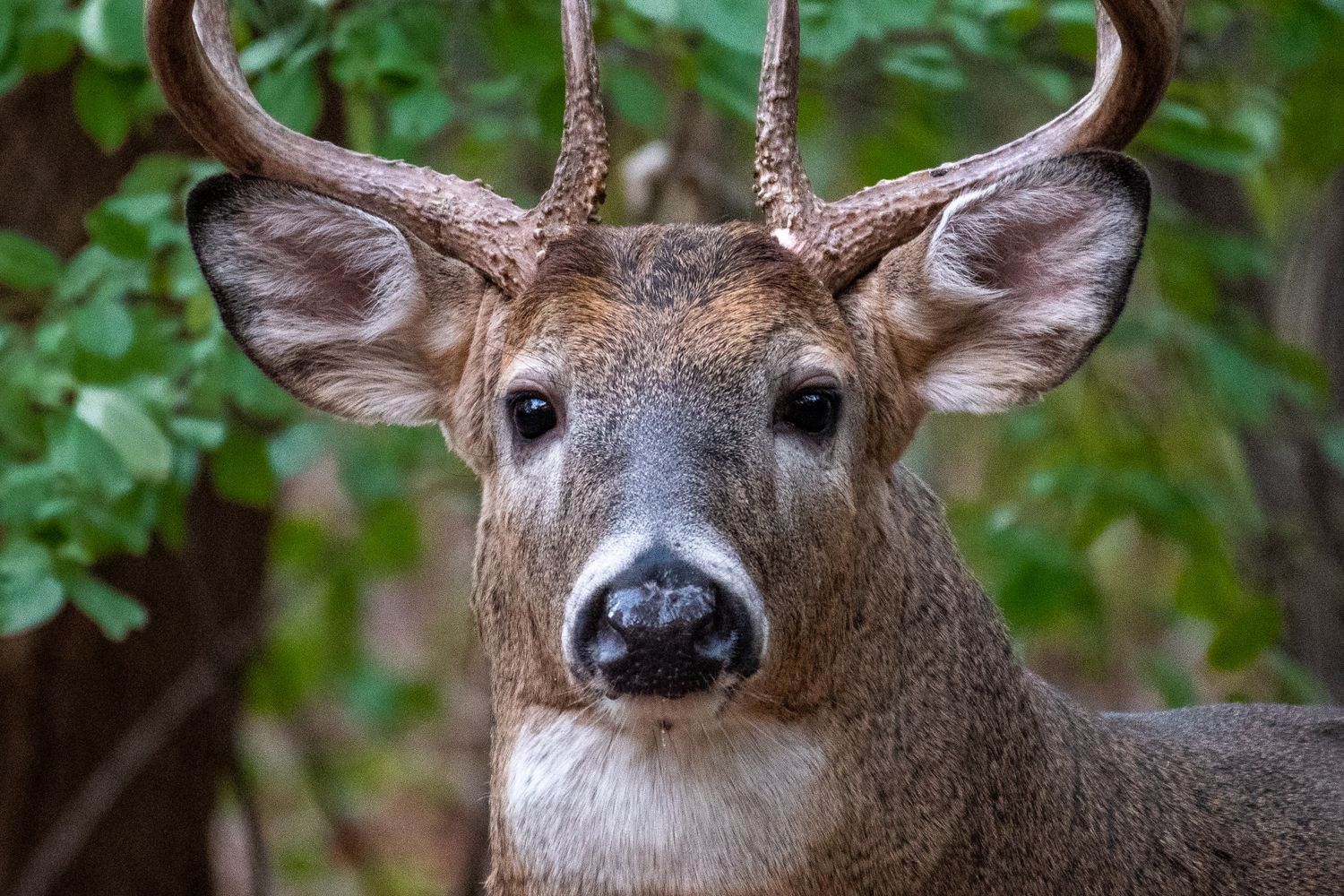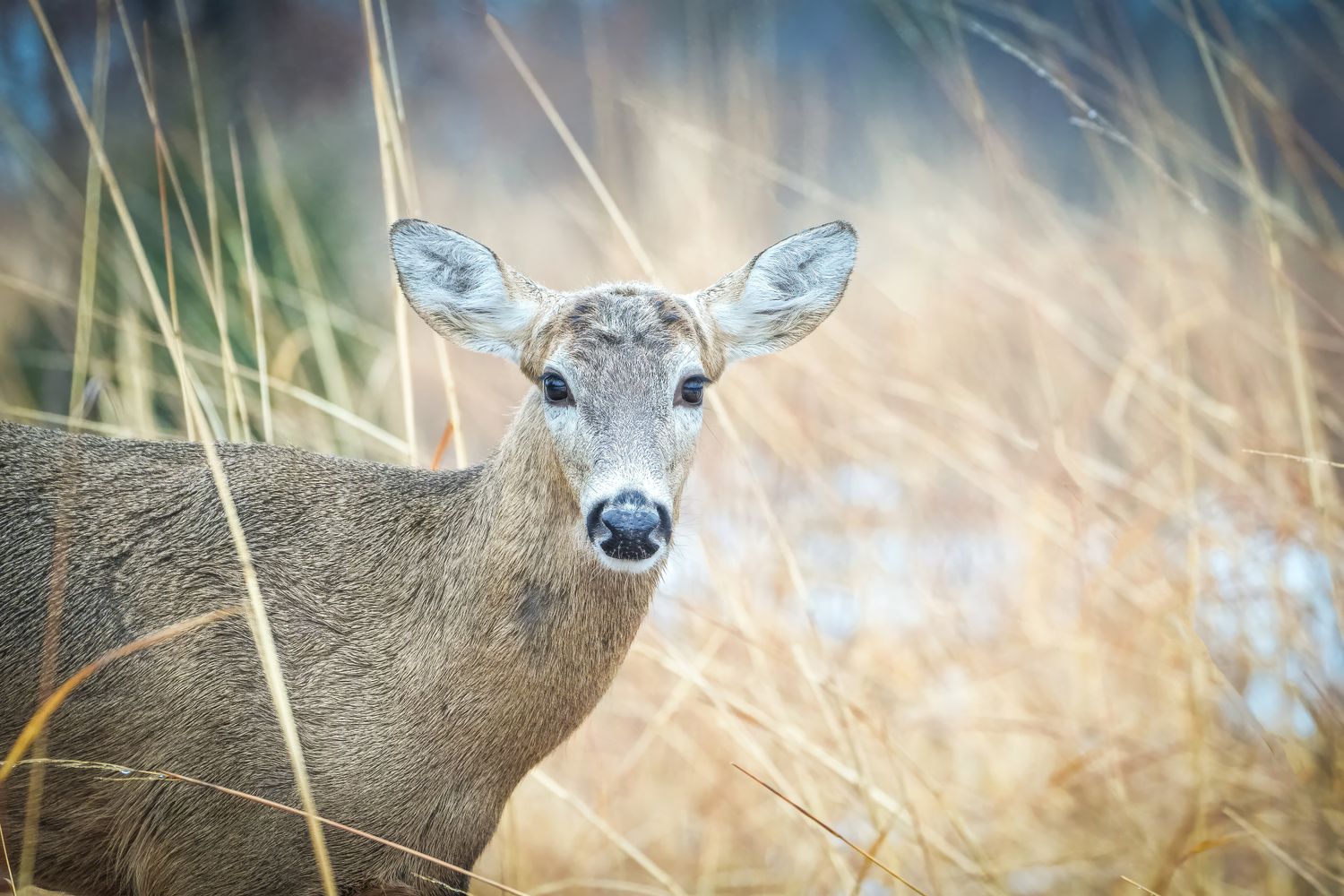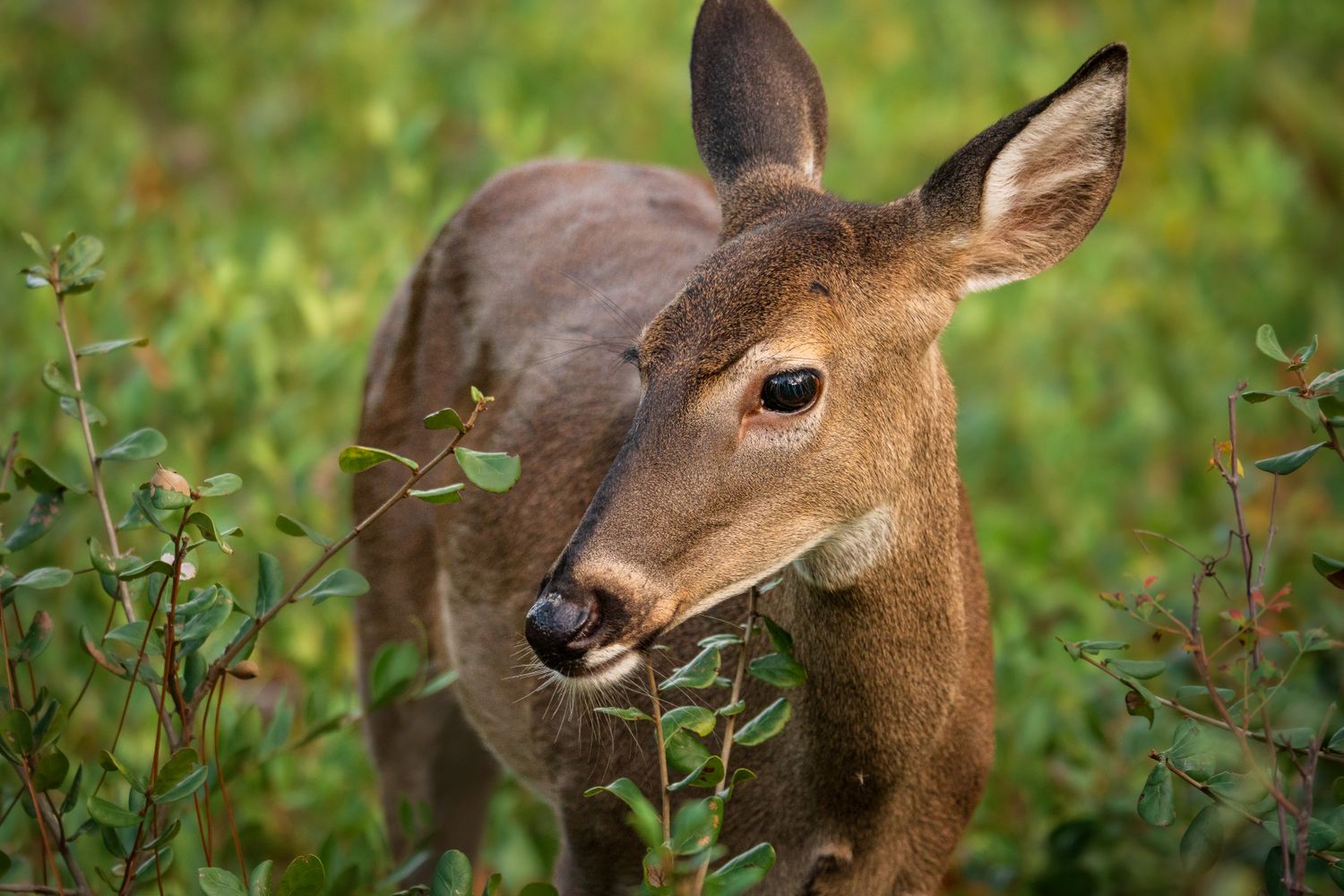
Ask ten North Carolina deer hunters where the good ground is and most will point east, toward the big timber and bean fields of the Coastal Plain. But here is the number that should change the conversation: North Carolina holds roughly one million white-tailed deer across 100 counties, and the highest-pressure public game lands in the Piedmont can see more boots per acre on opening weekend than a Walmart parking lot on Black Friday. The hunters quietly killing mature bucks year after year are not fighting that crowd. They are paying a few hundred dollars an acre for a private lease and hunting it alone.
If you own land in North Carolina, that demand is money sitting in your timber. If you are a hunter tired of racing strangers to the same public-land funnel, a lease is the most direct path to a deer woods you actually control. This guide breaks down what North Carolina hunting leases cost in 2026 — region by region — plus the season structure, bag limits, Sunday-hunting rules, and the landowner-liability law every party to a lease should understand before anyone signs.
North Carolina Deer Hunting by the Numbers
- Statewide deer population: approximately 1 million white-tailed deer (state estimates have run as high as ~1.1 million), per the North Carolina Wildlife Resources Commission (NCWRC).
- Licensed deer hunters: roughly 250,000 hunters take more than 2.9 million trips afield each year chasing deer in North Carolina.
- Reported annual harvest: typically in the neighborhood of 150,000 deer in a recent season; the modern record was 188,130 in 2013.
- Counties: 100, spread across three distinct physiographic regions — Mountains, Piedmont, and Coastal Plain.
- Season length: among the longest in the Southeast, with archery, blackpowder, and gun segments stretching from September into early January depending on the deer season zone.
- Season bag limit: six deer statewide, of which no more than two may be antlered (antlerless opportunities and dates vary by season zone).
Those are healthy fundamentals: a big herd, a long season, and a quarter-million hunters competing for access. For landowners, competition for access is exactly what sets a lease rate. For hunters, it is the reason a lease is worth budgeting for. Want to see what your specific tract might command? Run the numbers through the HuntLease Lease Price Calculator before you read another paragraph — it takes about two minutes.
What Makes North Carolina Different
North Carolina is really three hunting states stitched together, and a lease in one region looks nothing like a lease in another.
The Coastal Plain (East)
From the Tidewater west to the fall line, the Coastal Plain is North Carolina's deer factory: fertile soils, agriculture, river-bottom hardwoods, and pine plantations that grow deer in volume. This is also the heart of the state's traditional dog-hunting culture, where clubs run hounds on big leased blocks. That tradition shapes the lease market — many eastern leases are sold as club memberships rather than solo tracts, and a still-hunter looking for a quiet 200 acres needs to ask pointed questions about whether neighbors will be running dogs.
The Piedmont (Central)
The rolling middle of the state — wrapped around Charlotte, the Triad, and the Triangle — combines good deer numbers with the state's worst access problem. Suburban sprawl swallows huntable ground every year, public game land is limited and heavily pressured, and hundreds of thousands of hunters live within an hour's drive. That supply-and-demand squeeze makes Piedmont leases some of the most sought-after (and fastest to disappear) in North Carolina, and it is where managed, age-structured bucks bring a real premium.
The Mountains (West)
The western counties are steep, heavily forested, and rich in national forest and state game land — which means more public hunting opportunity and, correspondingly, softer private-lease demand. Deer densities run lower than in the east, the terrain is demanding, and leases here are generally the cheapest per acre in the state. Hunters who lease in the mountains are usually buying solitude and big-woods character rather than high deer numbers.
North Carolina Hunting Lease Prices in 2026
There is no single "North Carolina rate." Price per acre is driven by region, deer quality, tract size, access, and whether the land has been actively managed. As a rule that holds across the Southeast, smaller tracts command higher per-acre prices — a 40-acre exclusive lease near a metro can fetch well north of $40 an acre, while a 2,000-acre block might lease for under $10. Here is the realistic 2026 landscape:
| Region | Typical per-acre rate (2026) | What you're paying for | Annual revenue on 300 acres |
|---|---|---|---|
| Coastal Plain (East) | $15 – $40 / acre | Top deer densities, ag + bottomland, club-style blocks; dog-hunting common | $4,500 – $12,000 |
| Piedmont (Central) | $12 – $30 / acre | Strong demand near metros, limited public land, managed-buck potential | $3,600 – $9,000 |
| Mountains (West) | $5 – $15 / acre | Solitude and big-woods hunting; lower densities, abundant public land nearby | $1,500 – $4,500 |
| Small exclusive tract (any region, <75 ac) | $30 – $60+ / acre | Sole access close to home; premium for exclusivity and convenience | n/a (size-dependent) |
Statewide, decent unmanaged ground tends to settle around $12 to $18 an acre, with managed properties, food plots, established stands, and proven buck history pushing well above that. A useful mental model: start from a regional base rate, then add for every amenity — established food plots, box blinds, interior road access, a cabin, electricity, proven trophy potential. Each of those is worth real dollars per acre on top of the base.
If you would rather not eyeball it, the HuntLease Lease Price Calculator turns acreage, region, and habitat features into a defensible number you can put in front of a hunter. For a deeper look at how tract size bends the per-acre figure, our breakdown of hunting lease pricing by acreage walks through the 10-, 40-, 100-, 500-, and 1,000-acre brackets in detail.
Per-acre vs. per-hunter pricing
North Carolina's club tradition means a lot of eastern and central leases are priced per hunter rather than per acre. A club share commonly runs $500 to $2,000 per gun per season, depending on acreage, amenities, and how many members split the ground. Both models can work for a landowner; which one earns more depends on your acreage and how exclusive you want the arrangement to be. We compared them head-to-head in per hunter vs. per acre pricing if you are deciding how to structure your own lease.
Best Regions and Counties for North Carolina Deer
Where you lease should follow what you want to hang on the wall — or put in the freezer.
For trophy-buck potential
The northern Piedmont and the counties along the Virginia line have produced North Carolina's better age-class bucks, helped by a mix of agriculture, lower hunting pressure on private ground, and landowners willing to pass young deer. Granville, Person, Caswell, Rockingham, and Warren counties have long reputations among hunters chasing mature whitetails. Leases here cost more, and they are worth it if antler size is the goal.
For meat and high deer numbers
The Coastal Plain delivers the most deer per trip. Counties such as Halifax, Northampton, Bertie, Duplin, and Sampson combine agriculture and cover that grow and hold deer in volume. If filling tags and putting venison in the freezer matters more than inches of antler, the east is the value play — just confirm the dog-hunting situation on neighboring tracts before you commit.
For turkey and a spring season too
Many North Carolina leases are sold as year-round access, and the state's wild turkey numbers have grown enough that a spring gobbler season is a genuine bonus. The Piedmont and Coastal Plain both hold strong turkey populations, so a deer lease in those regions often doubles as a turkey lease — a point worth raising when you negotiate the rate.
North Carolina Deer Seasons, Tags, and Licenses
Season structure and zones
North Carolina splits the state into four deer season zones — Eastern, Central, Northwestern, and Western — each with its own dates for archery, blackpowder (muzzleloader), and gun seasons. Broadly, archery opens first (September in the east), followed by blackpowder, then the gun season, with the overall framework running into early January in much of the state. Because the dates shift by zone every year, confirm your specific county's calendar on the NCWRC regulations page before the season — this is one place a lease holder cannot afford to guess.
Bag limits and tags
The statewide season limit is six deer, no more than two of which may be antlered. A North Carolina hunting license that carries the Big Game privilege includes a Big Game Harvest Report Card with four antlerless deer tags and two antlered deer tags (plus two turkey tags). Antlerless harvest dates and any bonus-antlerless allowances vary by season zone, so the calendar — not just the tag count — governs when you can take a doe. All deer must be reported through the state's big-game harvest reporting system.
Licenses and fees
Resident deer hunters need a hunting license with the Big Game privilege — available à la carte (Resident Hunting license plus the Big Game privilege) or bundled into a Sportsman, Comprehensive, or lifetime license. Nonresidents need a nonresident hunting license plus the Nonresident Big Game privilege, available as an annual or 10-day option. Youth under 16 are exempt from the license requirement but must still carry a License-Exempt Big Game Harvest Report Card to hunt deer. Because the Commission updates fee schedules periodically, check current pricing on the NCWRC License Types and Fees page before you buy.
Chronic Wasting Disease (CWD)
CWD has been detected in North Carolina, and the NCWRC has established Surveillance and Primary Containment/Secondary Surveillance areas with specific carcass-transportation and sampling rules. If your lease falls inside or near a designated CWD zone, you and your hunters are responsible for following those rules — including restrictions on moving carcasses and, in some areas, mandatory sampling. Review the current map and requirements on the NCWRC CWD page each season, since boundaries change as the disease is monitored.
North Carolina Hunting Lease Laws Every Party Should Know
Landowner liability: Chapter 38A
North Carolina's recreational-use statute, General Statutes Chapter 38A (Landowner Liability), exists to encourage landowners to open their property for recreation by limiting their liability. When an owner allows someone to use the land for recreational purposes without charge, the owner generally owes that person only the duty owed to a trespasser — a low bar — though the statute does not erase the attractive-nuisance doctrine and requires the owner to warn direct invitees of known artificial or unusual hazards.
Here is the catch every landowner needs to understand: Chapter 38A's protection is built around free recreational use. The statute expressly does not apply where the owner charges a price or fee, or where the purpose is to promote a commercial enterprise. In plain terms, the moment you take lease money, you are likely outside the core shield of the recreational-use statute. That is precisely why a written lease with a liability-release and indemnification clause matters so much in North Carolina — and the statute itself confirms that nothing in it overrides a valid release or assumption-of-risk agreement between a landowner and a recreational user. A well-drafted lease, not the recreational-use statute, is your real protection once dollars change hands.
For the full picture, read our landowner explainer on whether you're liable if a hunter gets hurt on your land, and use a written agreement built for hunting — our hunting lease agreement template covers the release, indemnification, and no-sublet language you want.
Sunday hunting
North Carolina has steadily expanded Sunday hunting, and on private land it is now broadly legal — with specific limits. Landowners, their families, and anyone with the landowner's written permission may hunt with firearms on private land on Sundays, subject to these rules:
- No firearm hunting between 9:30 a.m. and 12:30 p.m. (except on licensed controlled hunting preserves).
- No firearm hunting within 500 yards of a place of worship or a residence not owned by the landowner.
- No taking deer with a firearm while they are run or chased by dogs on Sunday.
- Firearm hunting on Sunday is prohibited in Wake and Mecklenburg counties.
- Archery equipment may be used on private land on Sundays without the firearm time-of-day restriction.
For a lease holder, written permission from the landowner is the key that unlocks Sunday access — another reason to get the arrangement in writing. Always confirm the current rules on the NCWRC regulations page, as Sunday-hunting law has changed several times.
Trespass and posting
North Carolina recognizes posted-property protections, and the state now allows landowners to mark boundaries with purple paint in lieu of, or in addition to, posted signs — a vertical purple line is legal notice that entry is forbidden. For a leaseholder, clean, well-marked boundaries protect both the lease and the relationship with the landowner; for an owner, marking the line is cheap insurance against trespass disputes that can sour a lease.
How to Price Your North Carolina Lease in 5 Steps
- Start with your regional base rate. Coastal Plain $15–$40, Piedmont $12–$30, Mountains $5–$15 per acre. Pick the low end for raw, unmanaged ground and the high end for proven, accessible tracts.
- Add for amenities. Established food plots, box blinds, interior roads, a cabin, electricity, and a track record of mature bucks each add measurable dollars per acre. Stack them honestly.
- Adjust for tract size. Under about 75 acres, push your per-acre number up — exclusivity and convenience carry a premium. Over several hundred acres, expect the per-acre figure to compress.
- Factor in the dog-hunting question (east). Whether neighbors run dogs — and whether you allow it — materially changes what a still-hunter will pay. Be upfront; it builds trust and avoids a mid-season blowup.
- Sanity-check the number. Run your tract through the HuntLease Lease Price Calculator and compare against active listings in your area before you set a price.
If you want the bigger-picture pricing philosophy, our guide on how much to charge for a hunting lease covers the negotiation and term-length decisions that follow.
How to Find — or List — a North Carolina Lease on HuntLease
For hunters: browse current North Carolina opportunities on the HuntLease North Carolina listings page. Filter by region, acreage, and amenities, and when you find a tract, ask the landowner the three questions that matter most in this state: Are neighbors running dogs? What's the access like in wet weather? And what's the buck-management history? A lease that checks those boxes will out-hunt any public game land in the Piedmont.
For landowners: North Carolina's access squeeze is your leverage. Listing your tract is straightforward, and our landowner onboarding guide walks you through photos, boundary marking, term length, and the paperwork. Pair your listing with a written lease — start from the HuntLease lease agreement template — so the liability and no-sublet protections are airtight before a hunter ever sets foot on the property.
It also helps to see how North Carolina stacks up against its neighbors. Our complete state guides for Virginia and West Virginia show how rates and rules shift just across the line — useful context whether you are setting a price or shopping for a lease near the border.
North Carolina Hunting Lease FAQ
How much does a hunting lease cost in North Carolina?
Most North Carolina deer ground leases for somewhere between $5 and $40 per acre depending on region, with unmanaged tracts often landing around $12–$18 an acre and managed, amenity-rich properties going higher. Coastal Plain ground sits at the top of the range, the Piedmont in the middle, and the Mountains at the bottom. Small exclusive tracts under about 75 acres routinely exceed $40 an acre because hunters pay a premium for sole, convenient access. Club memberships, common in the east, often run $500–$2,000 per gun for the season instead of a flat per-acre rate.
Is it cheaper to lease in the mountains?
Yes. Western North Carolina has the lowest per-acre lease rates in the state — typically $5–$15 — because the region has abundant national forest and state game land, lower deer densities, and tougher terrain. You are buying solitude and big-woods character rather than high deer numbers. If your priority is filling tags, the Coastal Plain offers far better value per trip despite the higher rate.
Can I hunt my leased land on Sundays in North Carolina?
On private land, generally yes — if you have the landowner's written permission. Firearm hunting is restricted between 9:30 a.m. and 12:30 p.m., barred within 500 yards of a place of worship or a residence the landowner doesn't own, and prohibited entirely in Wake and Mecklenburg counties. Archery is exempt from the time-of-day rule. This is one more reason a written lease — which documents that permission — is essential.
Does North Carolina's recreational-use law protect me if I charge for a lease?
Largely no. Chapter 38A's liability shield is designed for free recreational access and expressly does not apply once you charge a fee or operate a commercial enterprise. Once lease money changes hands, your real protection is a written lease with a liability release and indemnification clause — which the statute itself recognizes as valid. Never rely on the recreational-use statute alone for a paid lease.
How many deer can I take on a North Carolina lease?
The statewide season limit is six deer, no more than two of which may be antlered. A Big Game license includes four antlerless and two antlered tags. Antlerless dates and bonus allowances vary by season zone, so check the current regulations for your county.
The Bottom Line
North Carolina pairs a million-deer herd and a long season with a quarter-million hunters fighting over shrinking public access — and that imbalance is exactly what makes a private lease such a strong play on both sides of the deal. Hunters get controlled, uncrowded ground; landowners turn idle timber into $1,500 to $12,000 a year depending on region and acreage. The smart move is the same whether you own the land or want to hunt it: price it right, put it in writing, and let the market do the rest.
Start with the Lease Price Calculator to find your number, then list or browse tracts on the North Carolina listings page. The deer are there. The demand is there. The only question is whether you'll be on the right side of it this fall.
Sources: North Carolina Wildlife Resources Commission (harvest statistics, license types and fees, regulations, and CWD program); North Carolina General Statutes Chapter 38A (Landowner Liability) and Chapter 103 (Sunday hunting provisions). Lease-rate ranges reflect 2025–2026 regional market data; figures are estimates for planning and should be verified against current listings and the NCWRC.