The Parking-Lot Problem Nobody Warns You About
You've hunted public land long enough to know the drill: arrive at the trailhead an hour before shooting light, and someone's already there. Two trucks. Sometimes five. By the time you've hiked to your spot, another hunter is set up 200 yards east and a third is rattling antlers from a ridge you've been watching all October. You see deer — you always see deer — but they're nocturnal ghosts by November, educated by pressure you had no control over.
Private land leasing is the fix most hunters eventually reach for. But the transition isn't just about better deer numbers. It changes how you scout, how you hunt, and what's expected of you. Hunters who treat a private lease like public land with fewer people miss the point — and often lose the lease.
Here's what actually changes when you make the switch, from the first day you sign a lease agreement to the last sit of the season.
1. You Own the Pressure — All of It
On public land, pressure is ambient noise. Someone pushed deer off a ridge you never touched. A dog walker bumped a bedding area you've never even seen. You can't control it, so you learn to hunt around it.
On a private lease — especially if you're the only hunter or hunting with a small group — every bump, every intrusion, every blown stand is yours. That's a double-edged reality. When deer go nocturnal in mid-October, you have to look inward first. Did you over-hunt a stand? Did you walk through a bedding area checking trail cameras? Did you park at the wrong spot last Saturday morning?
This accountability changes how meticulous you need to be. Private-land hunters who kill mature deer consistently obsess over entry and exit routes the way public-land hunters obsess over access roads. You're managing a finite number of deer on a finite piece of ground, and every mistake has a longer memory than you think.
What to do differently: Map every stand with a corresponding wind direction and a dedicated access route that doesn't cross deer travel corridors. Don't hunt a stand just because it's a nice morning — hunt it when wind, temperature, and deer-movement indicators all align. Use HuntLease's Field Ready Score™ to time your sits around forecasted deer movement, not just habit.
2. Scouting Gets Deeper — and More Rewarding
On public land, you scout hard in the weeks before season and then try to stay ahead of other hunters reading the same terrain. On a private lease, you have 365 days of exclusive access to build a complete picture of the property.
That changes the entire timeline. Post-season shed hunting reveals exactly which bucks survived and where they spent January. Spring turkey season doubles as a habitat audit — you're watching food sources green up, identifying new rub lines from last fall, and noting where to hang a stand before October. Summer trail camera runs in August give you a full inventory. By opening morning, you're not guessing at a map. You know this piece of ground.
The tools that matter here go beyond a topo map. Aerial imagery, property boundary overlays, and wind-modeling layers let you plan access routes virtually before setting foot in the field. HuntLease Scouting maps give you property-level overlays and terrain analysis so you can identify pinch points, saddles, and travel corridors from your desk. Pair that with on-the-ground observation from your lease time, and the intelligence advantage over public-land hunters compounds every year.
For a deeper breakdown of digital scouting workflows, see our guide to mastering e-scouting tools.
3. Stand Placement Strategy Flips
On pressured public ground, the best stand is often the one no one else is willing to reach — the deepest timber, the swampiest bottom, the ridge that requires a 90-minute hike in the dark. You're optimizing against other hunters as much as against deer.
On a private lease, you optimize almost entirely against deer. That sounds like a simpler problem, but it's actually harder. Now you have to think about prevailing wind patterns across every acre, thermal drafts in river-bottom properties, and how to reach your best stands without alerting deer that live within 300 yards of them full-time.
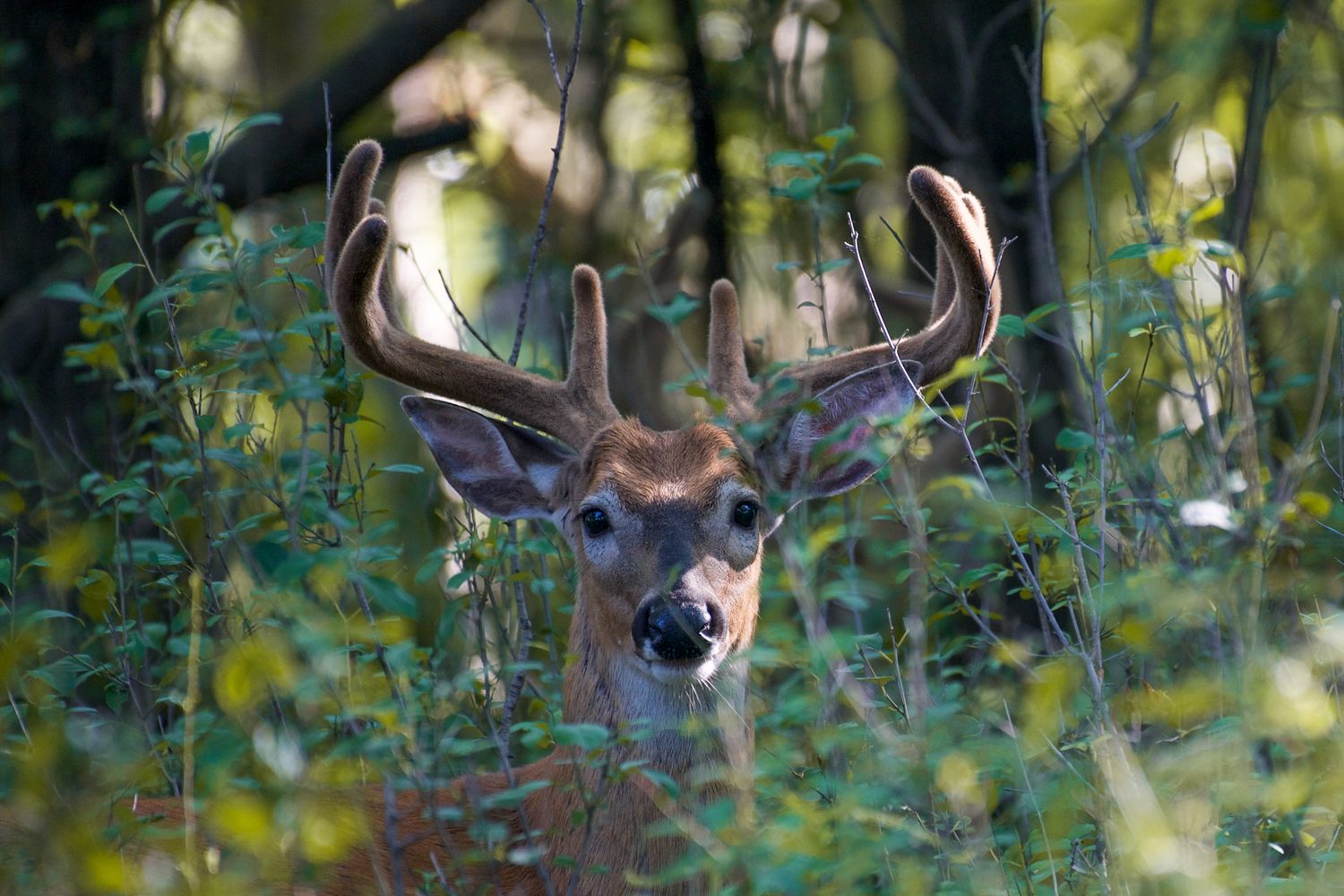
The classic mistake new private-land hunters make is hanging stands where they saw deer during summer velvet season — field edges, food plots, green hayfields. Those same deer will often shift patterns entirely once velvet drops and hunting pressure (even light pressure) builds. Pre-rut and rut stands near bedding pinch-points and downwind of doe travel corridors almost always outperform the obvious spots by mid-October.
For a region-by-region breakdown of wind strategy and stand placement, read our guide on stand placement and prevailing winds.
4. The Lease Agreement Is a Real Legal Document — Treat It That Way
This is the part most first-time lessees underestimate. A hunting lease agreement isn't a formality you sign and forget. It spells out exactly what you can and can't do on the property — and violations can end the lease immediately.
Common terms you'll see in a well-written agreement:
- Guest policy: Can you bring a buddy without pre-approval? Most agreements cap guests or require written notice to the landowner.
- Species and limits: Some leases are deer-only. Others allow turkey, small game, or predator hunting. Some specify antler restrictions or doe limits to manage herd age structure.
- No subletting: You cannot pass your lease access to someone else or split the cost with a third party who wasn't on the original agreement.
- Improvements and damage: Can you hang permanent stands? Cut shooting lanes? Build a food plot? Always get permission in writing before modifying the property.
- Liability: Most leases include a hold-harmless clause protecting the landowner. You should still carry your own liability coverage — see our full breakdown of hunting lease insurance for what that means in practice.
If you're hunting on a handshake deal with no written agreement, you're exposed. Read our hunting lease agreement template guide to understand what clauses belong in every contract before you sign.
5. The Landowner Relationship Is Your Most Important Asset
On public land, you have no landlord. On a private lease, you do — and the quality of that relationship determines whether you're renewing in December or scrambling for a new property.
Landowners who lease hunting rights are giving up something: exclusive use of their own property for part of the year. The good ones also gain something beyond the lease income — they gain a set of eyes on the land, someone who reports downed fence lines and trespassing, and hunters who treat the property with genuine care.
The hunters who build 10-year relationships with landowners do a few things consistently:
- They communicate before, during, and after season — a quick text when they're heading in, a photo of a harvest, a note about a gate they found open.
- They leave the property better than they found it. Pack out all trash. Repair any damage immediately. Don't tear up field edges with your truck.
- They pay on time, every time, without being chased.
- They ask before doing anything beyond hunting — setting up a camera on a fence post, hanging a lock box, cutting a brush pile.
Landowners talk to neighbors. A good reputation travels fast in rural counties. A bad one travels faster.
6. You're Paying for Exclusivity — Understand What That Costs
Private lease costs vary significantly by region, habitat quality, deer density, acreage, and what species the lease covers. As a rough benchmark for 2026:
- Southeast (AL, GA, MS, SC): $8–$15/acre for basic timber and agricultural ground; $20–$35/acre for managed properties with food plots and stands.
- Midwest (IA, IL, MO, KS): $15–$30/acre, with top whitetail ground in Iowa and Illinois pushing $40–$60/acre.
- Mid-Atlantic and Appalachian states: $6–$18/acre depending on terrain and pressure.
- Texas: Extremely variable — Hill Country on a per-gun basis can run $1,500–$4,000/gun/season; large South Texas ranches can exceed $50/acre.
These are starting points. The fastest way to know what a specific property type should cost in your target state is to use the HuntLease Lease Price Calculator — plug in the acreage, state, habitat type, and amenities to get a market-rate range.
For more context on how acreage brackets affect pricing, read our breakdown of hunting lease pricing by acreage.
7. Why Hunters Are Making the Switch Now
Public land access in the U.S. hasn't grown meaningfully in decades. Meanwhile, hunting license sales have trended upward in most states since 2020. More hunters chasing the same public acres means more pressure, more nocturnal deer, and more frustration — especially for hunters targeting mature bucks.
Private land hunting isn't a luxury play anymore. It's a practical response to a structural problem. The public land scarcity trend is documented and accelerating. Hunters who make the leap to private leases report not just higher success rates but more enjoyable, lower-stress seasons — because they're executing a plan on known ground instead of reacting to conditions they can't control.
Ready to Find Your Lease?
The transition from public land to a private hunting lease is one of the most meaningful upgrades a serious hunter can make — but it starts with finding the right property at the right price. Browse available hunting leases on HuntLease to find properties filtered by state, acreage, species, and price. If you already have a property in mind and want to know if the asking price is fair, run it through the HuntLease Lease Price Calculator before you sign anything.
The deer you've been watching go nocturnal every November deserve a different plan. Private land gives you the tools to build one.