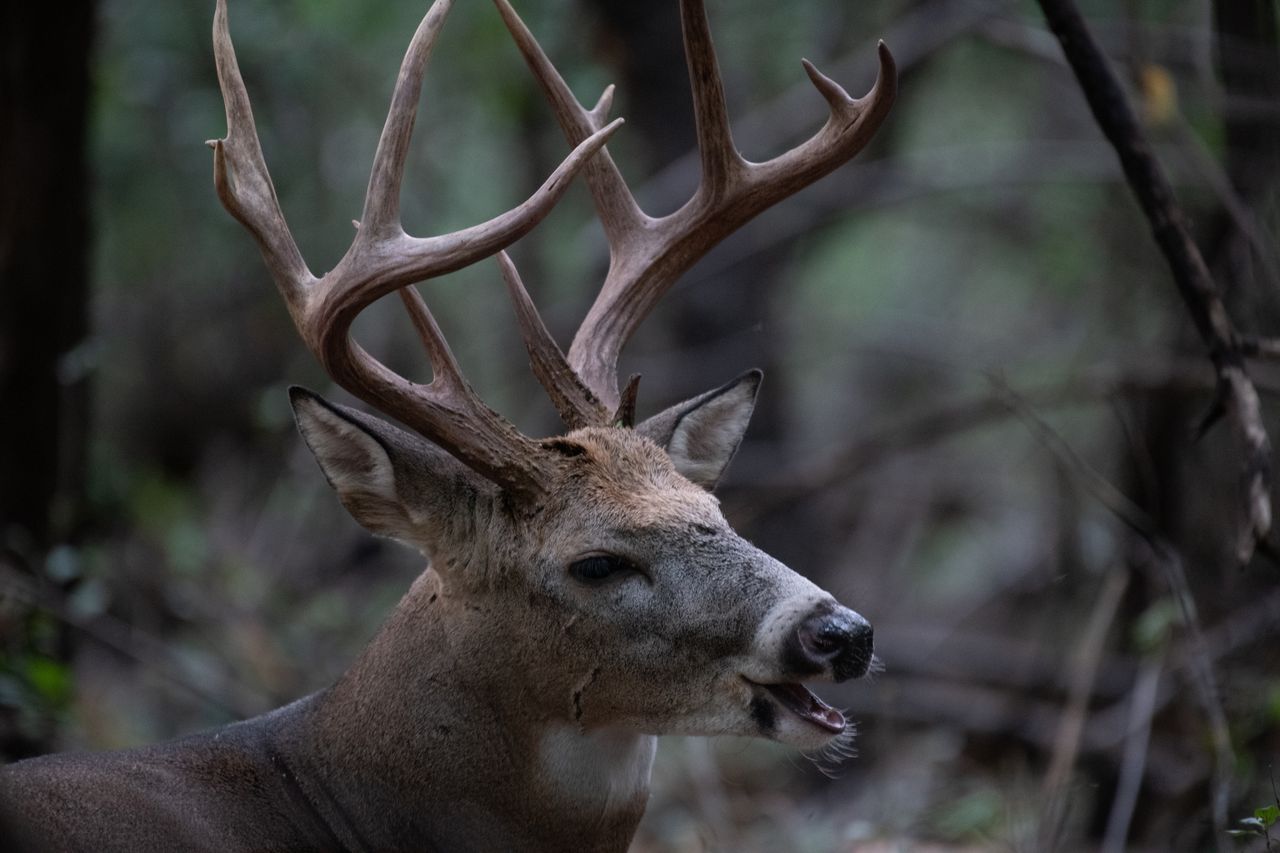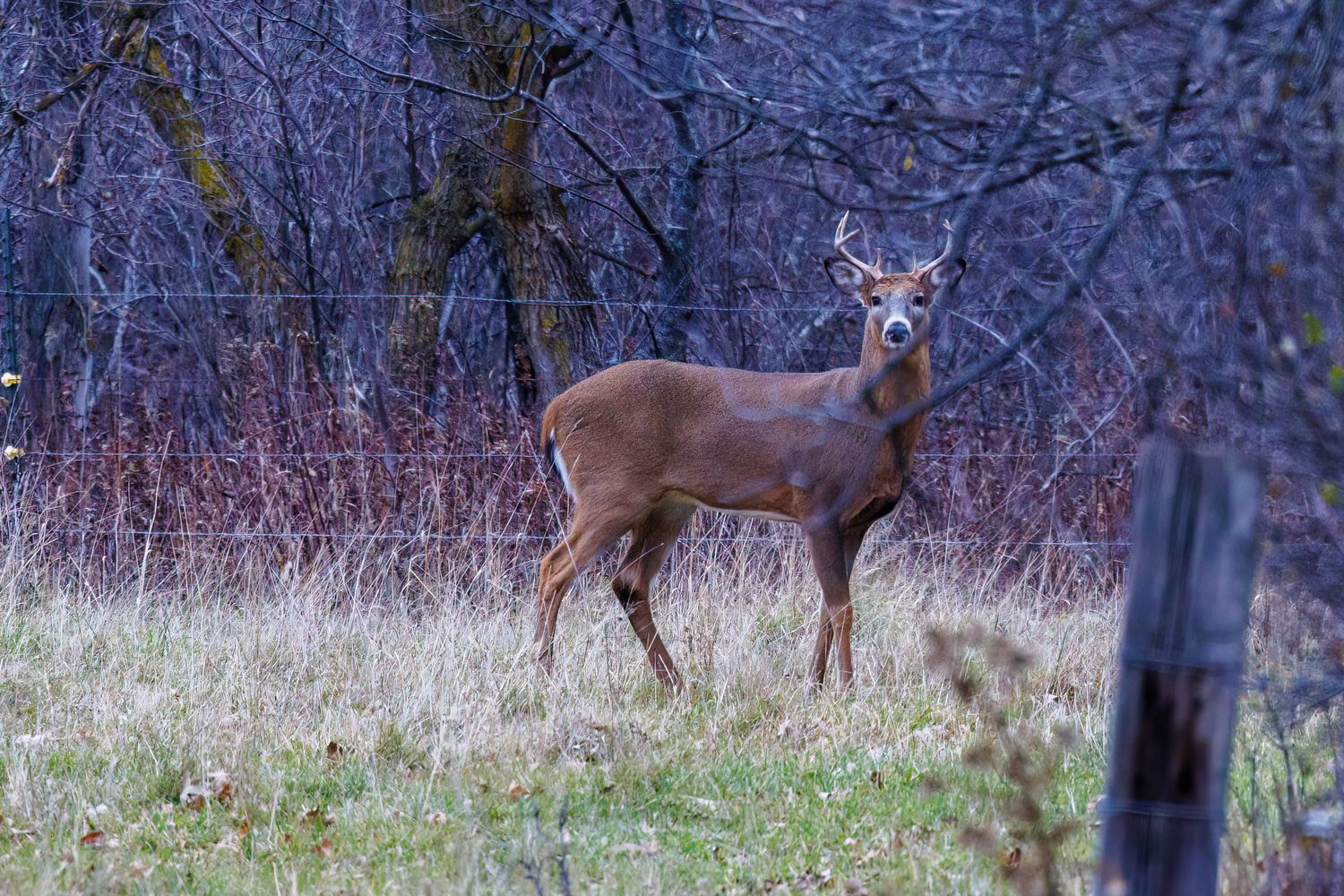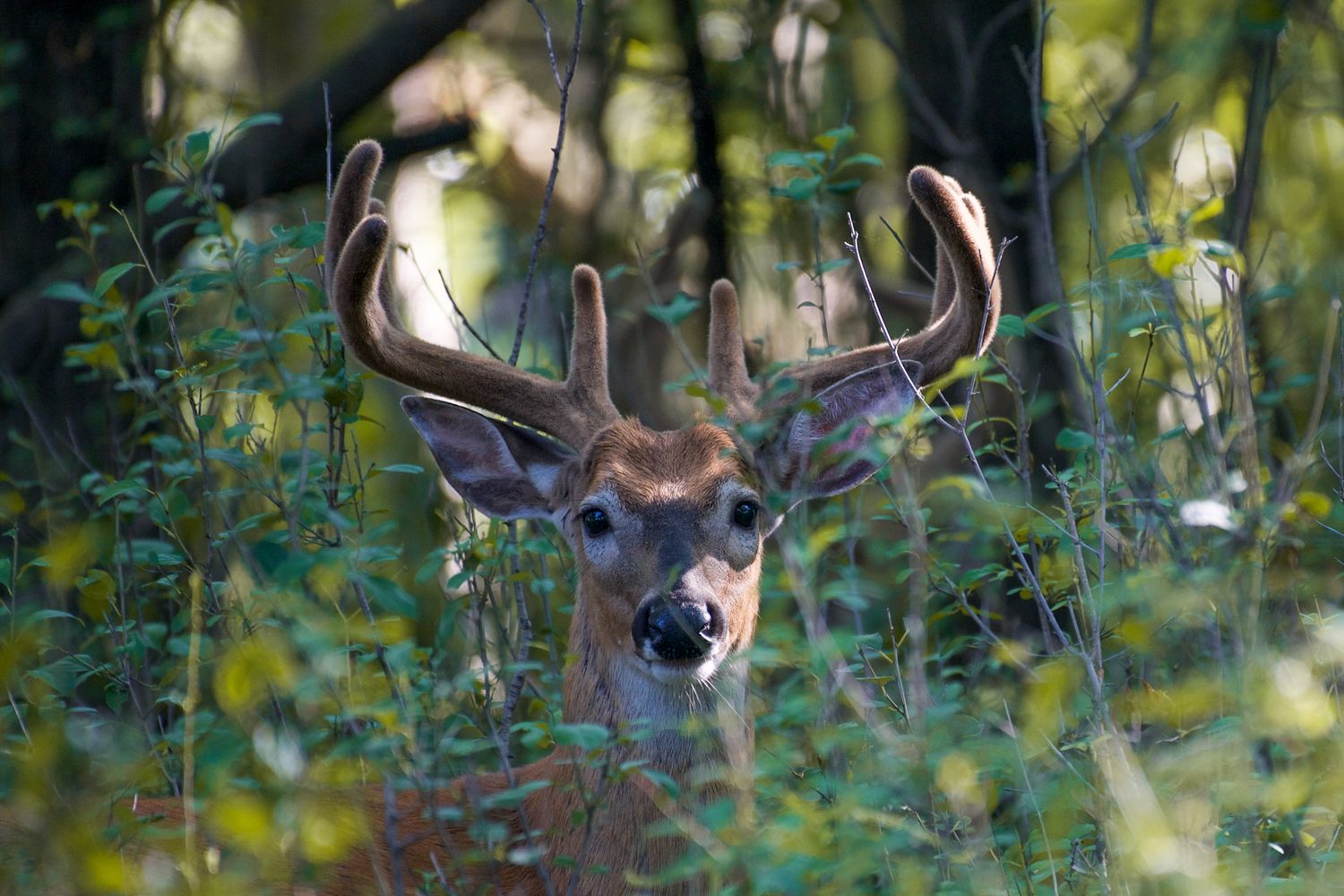
Right now, in the first week of July, there is a mature buck on your lease living the most predictable life he will live all year. He wakes up in the same bed, walks the same trail, and steps into the same field within about 20 minutes of the same time every evening. Come the third week of September he will vanish like he was never there. The hunters who tag him on opening weekend are not lucky — they did their homework in the exact window that is open right now, and they had a plan for the day the pattern broke.
Patterning a summer velvet buck is the closest thing to a sure bet in deer hunting, and it is one of the biggest advantages you get from hunting a private lease instead of fighting the crowds on public ground. Nobody else is bumping your deer. The pattern you build in July and August is yours alone to hunt. Here is how to build it, and — just as important — how to keep it from evaporating before the opener.
Why a July buck is the most patternable buck of the year
Summer bucks care about two things: eating and sleeping. Antler growth is peaking, testosterone is at its annual low, and a mature buck has no reason to move far or move at odd hours. He runs a tight bed-to-feed loop, usually with a bachelor group of other bucks, and he repeats it night after night because nothing is pressuring him to change.
That predictability has a shelf life. The whole system is running on a clock set by daylight, and that clock is already ticking down toward the velvet shed. Understand the clock and you understand why you have to move now.
The velvet-shed clock
Antler hardening and velvet shedding are triggered by photoperiod — the shortening days of late summer drive a spike in testosterone that cuts the blood supply to the velvet, and the buck peels it within a couple of hours. According to the National Deer Association, most bucks shed velvet between roughly September 1 and 15, with northern deer peeling in late August to early September and southern bucks running later into mid- and even late September.
That date is your deadline. When a buck sheds velvet, his summer feeding pattern usually breaks at the same time — the bachelor groups split up, he shifts to fall food and cover, and the deer you filmed 30 nights straight seemingly disappears. So the patterning window is essentially mid-July through late August. Start in July and you get four to six weeks of data. Start in September and you are watching a buck erase the very pattern you are trying to learn.
Step 1: Find the food first, then the bed
Work the pattern in the order the deer experiences it — backward. Start at the dinner table, not the bedroom. In July that means the highest-quality food on the property: soybeans, alfalfa, clover, a green food plot, or the freshest browse in a recently disturbed opening. Glass those fields at last light and you will find bucks. Once you know which field a buck is using, you can start working out where he is coming from.
His bedroom is sacred. A mature buck beds in a flat, protected pocket — often near water, often with the wind and a view working in his favor, and almost always somewhere he can slip out of without crossing open ground in daylight. You do not need to walk into that bed to pattern him, and in summer you absolutely should not. The single fastest way to blow a summer pattern is to go tromping into bedding cover in August "just to check." Map the bed from a distance, mark it, and leave it alone.
This is where a private lease pays off again: you can afford to be patient and low-impact because no one else is going to walk through and educate your buck for you. If you just picked up a new lease this summer, our step-by-step off-season scouting game plan walks through the full digital-recon-to-boots-on-the-ground sequence before you ever hang a camera.
Step 2: Run your cameras like a stakeout, not a lottery
The point of a summer camera is not a pretty velvet photo — it is a timestamp. You are building a spreadsheet in pictures: which buck, which trail, which direction, and, above all, what time. A buck that hits the field edge at 7:40, 7:35, and 7:45 on three consecutive evenings is telling you exactly when to be in the tree on the day the season opens.
A few technique points that matter more than which camera you buy:
- Hang on the food-side approach, not deep in cover. Put cameras on staging areas, field-edge entry trails, and pinch points between bed and feed. You want to catch him committing to the field, ideally while there is still shooting light.
- Set them and leave them. Check a summer camera as rarely as you can stand — every two to three weeks, midday, in and out fast. Every visit leaves scent and risk. The pattern you are protecting is fragile.
- Read the timestamps as a trend, not a single night. One 6:30 photo means nothing. Five evenings averaging 7:38 with a 20-minute spread is a pattern you can hunt.
- Note the light, wind, and temperature on his best nights. Cooler evenings and favorable wind pull mature bucks to their feet earlier. Layer that on top of your timestamps and you can start predicting his best daylight windows.
That last point is exactly the job the HuntLease Field Ready Score is built to do — it folds weather and deer-movement signals into a daily read so you are not eyeballing a barometer. Pair the Score with your own camera timeline on the HuntLease Scouting maps and you have both halves of the equation: where he lives and when he is likely to move.
Step 3: Learn the bachelor group's pecking order
Summer bucks travel in bachelor groups, and those groups move in a sequence you can memorize. The younger, lower-ranking bucks almost always step into the field first while the light is still good; the mature buck you actually want tends to hang back and commit last, often right at the edge of legal light. Learn to identify each individual — a kicker point, a split brow, a body-size tell — and you gain a countdown clock. When the two-year-olds you recognize file out into the beans, you know the old buck is minutes behind them.
That knowledge shapes your very first sit. You are not hoping he shows; you are waiting for the deer in front of him and getting ready.
Step 4: Glass from the truck and the field edge
The lowest-impact scouting you can do in summer is done through glass from a distance — from a road, a field edge, or an elevated vantage far from the bedding cover. Evening after evening, glass the food source and log what you see: which bucks, where they enter, which way they came from. Over a couple of weeks that log becomes a map of daily movement you built without ever spooking a deer.
Marry your glassing notes to your camera timestamps on a single map. When both data streams point at the same entry trail at the same time of day, you have found your opening-day tree.
The September problem: when the pattern breaks
Here is the part most "just pattern him in summer" advice skips. That reliable July buck will very likely break his pattern right around velvet shed — and, cruelly, often just before your opener. It is not that he left. Three things change at once: velvet comes off and testosterone climbs, summer food sources (especially cut or drying ag) lose their pull, and the bachelor group dissolves as bucks start establishing fall territories.
Do not panic, and do not go stomping through his bedroom to "find" him. Play it like this:
- Shift your cameras toward fall food. As beans yellow and alfalfa fades, acorns, standing corn, green plots, and fresh browse take over. Move a camera or two to the next food source over from his summer field.
- Expect a shorter daylight leash. A mature buck's daylight movement tightens after the shed. Your window narrows to the first and last minutes of light and to the trails closest to bed.
- Hunt the summer intel on the earliest opportunity. If your season opens while he is still on or near the summer pattern, that first sit is your single best odds of the early season. This is the whole reason you did the work in July.
- Read the transition. Once the first rubs and scrapes appear, you are moving out of the feeding pattern and into fall behavior. Our guide to reading rubs, scrapes and trails picks up right where the summer pattern leaves off, and the pre-rut / peak-rut / post-rut game plan carries you the rest of the way to November.
Bridging summer intel into an opening-day plan
Everything above exists to produce one thing: a specific plan for a specific tree on a specific evening. Before the opener, lock in three decisions.
The stand
Pick the tree that sits between his bed and his most-used summer food, close enough to the bed to catch him in daylight but not so close you can't get in and out clean. Your camera and glassing data already told you the trail; hang on the downwind side of it.
The entry and exit
The stand means nothing if you can't reach it without being smelled or seen. Plan a route that keeps the wind in your face and terrain or cover between you and the bedding area — and plan your exit just as carefully so you don't blow him out of the field after dark. Wind discipline is everything this early; our region-by-region wind strategy guide breaks down how to read prevailing winds for your setup.
The trigger
Don't burn the setup on a marginal night. Wait for the conditions your summer data flagged as his best — a cool front, the right wind, an evening the Field Ready Score rates high — and hunt it once, correctly, rather than three times sloppily.
The private-land edge — and how to get on it
You can pattern a summer buck on public land, but you are patterning him alongside everyone else with the same idea, and the first hiker, angler, or scouting hunter to cross that bedding pocket can dissolve weeks of work overnight. On a private lease, the pattern you build is yours to protect and yours to hunt. That control — low pressure, consistent access, a deer that stays patternable — is the real product of leasing, and it is what turns summer glassing into a filled tag.
If you don't have that ground yet, this is the season to lock it down, because the hunter who has boots on a lease in July is the one collecting the data that matters. Browse available leases on the HuntLease listings marketplace, and if you're weighing whether a lease is worth the price, run the numbers through our Lease Price Calculator before you sign. Own ground and thinking about leasing it out? Here's how listing your land on HuntLease works.
The clock is already running. Every evening you spend behind glass between now and velvet shed is an evening of intel your competition on the next property over doesn't have. Get on your food sources this week, build the timeline, and have your opening-day tree picked before the first buck ever peels. Find your lease, price it out, and get to work — the most patternable buck of the year is waiting on you right now.