Most Hunters Miss the Rut Before It Even Starts
Here's an uncomfortable truth: if you're waiting for lock-down to drag a stand into the woods, you've already lost half your season. The rut isn't a single event — it's a six-week sequence, and each phase demands a different strategy. Hunt the wrong phase with the wrong tactic and you'll sit silent, watching time evaporate from your tag.
This guide breaks the rut into three distinct windows — pre-rut, peak rut, and post-rut — and gives you a week-by-week game plan built specifically for private-land hunters. If you're hunting your own lease or a property you found through HuntLease, these principles apply everywhere mature whitetails roam.
Understanding the Rut Timeline (and Why It Varies)
Photoperiod — the shortening of daylight hours — is the primary trigger for the whitetail rut, which makes it surprisingly consistent from year to year in your region. In most of the Northern and Midwestern U.S., the general framework looks like this:
- Pre-rut: roughly October 25 – November 4
- Peak rut (seeking / chasing / lock-down): November 5 – 15
- Post-rut: November 16 – December 1+
Latitude shifts the window considerably. Alabama and Georgia hunters typically won't see peak activity until late December or January. Tennessee and the Carolinas fall in between. If you're hunting a lease in the mid-Atlantic or Midwest, the dates above are your anchor. Use the HuntLease Field Ready Score™ to overlay real-time deer movement predictions on top of your local rut calendar — it's one of the most underused tools for timing sits correctly.
Phase 1: Pre-Rut (Weeks 1–2)
What's Happening Biologically
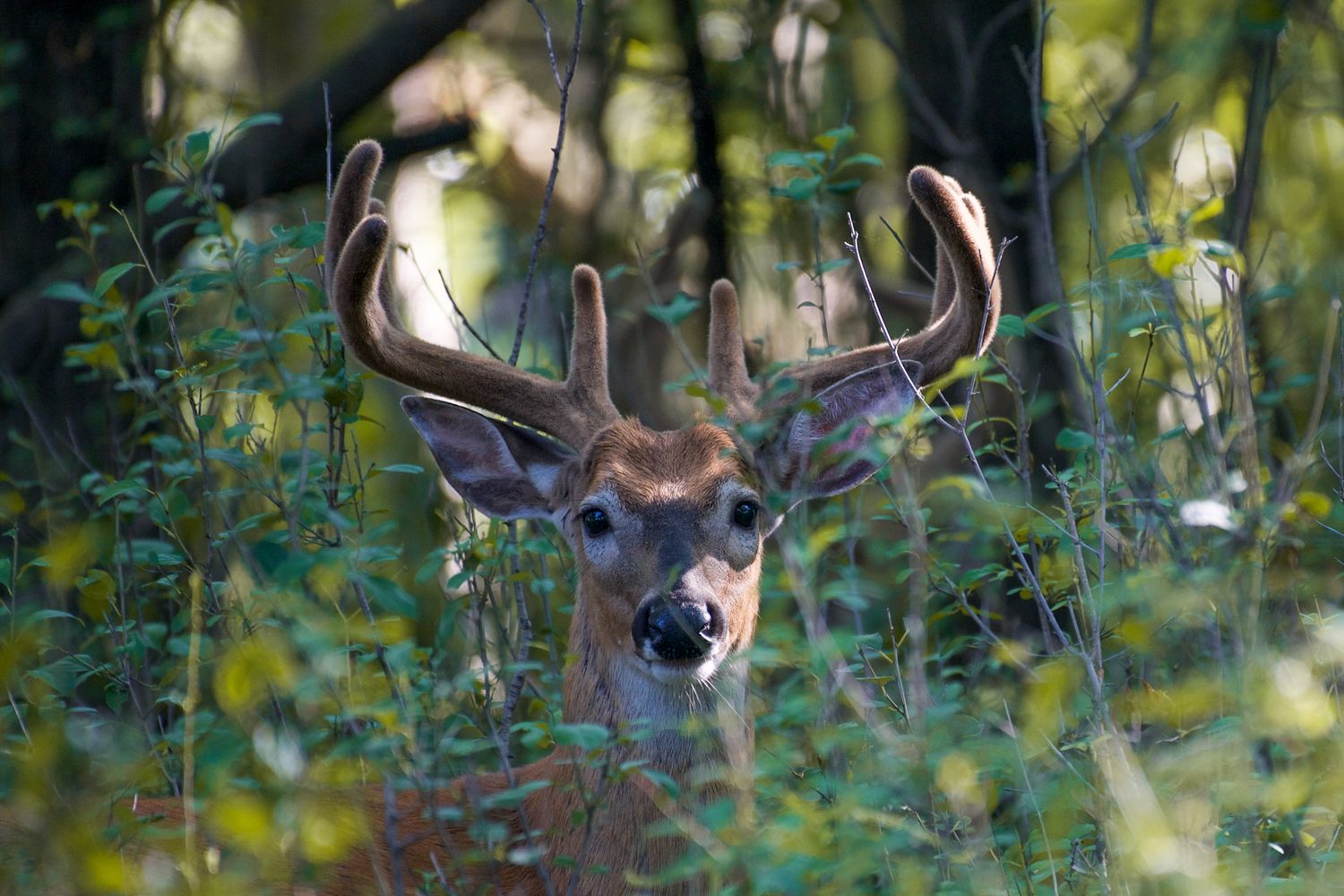
Bucks are shifting from their summer home ranges and beginning to advertise their presence. Testosterone is rising, velvet has shed, and scrapes and rubs are appearing across the landscape. Does are not yet receptive. Bucks know it, so they're not chasing — they're posturing and establishing range. This is a critical observation window, not necessarily a killing window.
Where to Hunt
Focus on travel corridors between food sources and bedding areas. Pre-rut bucks are still largely food-driven, and you can pattern them with pre-season e-scouting overlaid with fresh sign on the ground. Look for:
- Primary scrape lines along field edges, especially licking branches positioned over open dirt
- Rub lines running parallel to ridge systems — these show a buck's travel route, not just a random marking post
- Pinch points and funnels where terrain or cover forces deer movement into a narrow corridor
If you laid out your stand network using aerial imagery earlier in the fall — a process we walked through in detail in our Ultimate E-Scouting Guide — now is exactly when that homework pays off.
Tactics That Work
- Sit long. Pre-rut bucks move during daylight, but they're not desperate. Focus on the first and last hour of light.
- Mock scrapes. A licking branch at eye height over a raked scrape can pull a curious buck into camera — and bow — range without burning your primary stand location.
- Light tickling with antlers. Subdued sparring sounds — not a full-blown crash — can draw in a buck who thinks two subordinates are working things out nearby.
- Scent discipline is non-negotiable. Bucks are still on a predictable pattern. One bump sends them nocturnal for days and costs you your best sits of the season.
Wind direction matters enormously during this phase. Review our region-by-region wind strategy guide before committing to a pre-rut setup — a stand positioned against the wrong thermal is a wasted sit regardless of how good the sign looks.
Phase 2: Peak Rut (Weeks 3–4)
Seeking, Chasing, and Lock-Down
This is what every hunter imagines when they picture the rut. Bucks are covering enormous ground searching for the first receptive does. They're temporarily incautious in ways they never are the rest of the year. A mature 5-year-old buck that's been a ghost since September will suddenly cruise past your stand at 10 AM on a Tuesday. This is your window — don't waste it sitting on the couch waiting for a better forecast.
Peak rut breaks into three tighter sub-phases:
- Seeking (days 1–4): Bucks are on their feet covering ground. Does aren't ready yet. This is arguably the best time of the entire year to kill a mature buck in open or semi-open terrain.
- Chasing (days 4–8): Does are nearly receptive. Bucks are harassing them relentlessly. Expect long tail-chasing runs across fields and ridges — chaotic, spectacular, and very huntable.
- Lock-down (days 8–14): Every buck has found a doe. They disappear into heavy cover for 24–48 hours at a stretch. Daytime movement crashes and a lot of hunters pack it in — which is exactly the wrong call.
Where to Hunt Peak Rut
Move your setups toward does during peak rut. Where does bed and feed, bucks will find them — guaranteed. That means:
- Doe bedding areas — don't set up inside them, use the downwind edge
- Food plots and ag fields in the last hour of daylight; bucks will cruise the perimeter checking for hot does
- Inside corners of fields where the terrain creates natural pinch points and limits escape routes
- Saddles and terrain passes in hilly country — bucks in seeking mode travel ridge lines and use saddles to cross efficiently
During lock-down, push deeper. A lone hot doe pulls a mature buck into the nastiest thicket on the property. If your lease has varied terrain — creek bottoms, south-facing slopes, swamp edges — those hidey-holes are where lock-down bucks go to be undisturbed. Hunt the edges of that cover, not the open fields.
Peak-Rut Tactics
- All-day sits. Seeking and chasing phases are the only days of the year where grinding from first light to last is genuinely justified. Buck movement doesn't shut off at 10 AM like the rest of the season.
- Aggressive calling. Loud rattling sequences, tending grunts, and doe bleats can all stop or redirect a cruising buck. Don't be timid — they're wound up and looking for trouble.
- Decoys. A doe decoy set near a food source during peak rut can be a game-changer. Face it away from your stand so approaching bucks present a broadside shot.
- Stay flexible. If your stand is cold during seeking and chasing, adjust. Move toward where you're seeing or hearing action, even if that means pulling a stand mid-week.
Phase 3: Post-Rut (Weeks 5–6)
Why Most Hunters Write It Off (and Shouldn't)
Post-rut has a reputation problem. The woods go quiet. Bucks look like they've been through a war — because they have. They ran themselves ragged for two weeks and burned through serious body reserves. Here's what most hunters miss: they have to eat, heavily, and that makes them predictable again. Post-rut bucks are back on food-driven patterns, and food-driven patterns are huntable patterns.
There's also a second chance built into the biology. A percentage of does — typically younger does or does that weren't successfully bred during the primary wave — will cycle into a secondary estrus approximately 28 days after peak rut. This "second rut" is smaller in scope, but it triggers surprising buck activity in late November and into early December. Don't count your season over.
Where to Hunt Post-Rut
- Food first. Standing corn, soybean fields, brassica plots, white oaks with lingering mast — quality food concentrates post-rut deer of all ages, bucks included.
- South-facing slopes. In cold-weather post-rut, deer maximize caloric efficiency by bedding where the sun hits first. South-facing hillsides warm up hours before north-facing timber and reduce the energy cost of thermoregulation.
- Water near bedding. Running hard for two weeks leaves deer dehydrated. Creeks, ponds, and springs adjacent to bedding areas become reliable choke points.
Post-Rut Tactics
- Evening food-source sits. Don't grind all-day vigils post-rut. Spent bucks conserve energy. The predictable window is the final 90 minutes of daylight as they move toward feed.
- Soft calling during the secondary cycle. If you're hunting the late-November second-rut window, quiet doe bleats and tending grunts can work. Skip the aggressive sequences — exhausted deer spook far more easily.
- Hunt weather fronts hard. A cold front pushing through after a week of warm post-rut weather is one of the best trigger events of the year. Deer move aggressively to top off calories ahead of the temperature drop.
The HuntLease Field Ready Score™ factors in barometric pressure, wind, moon phase, and temperature swings. Stack these environmental variables in your favor during post-rut and your odds of seeing mature buck movement improve significantly compared to picking random sits.
The Private-Land Advantage
Public-land hunters compete with dozens of other people for the same deer during the rut. Pressure builds from opening day and compounds through the peak window. Mature bucks pattern human activity and shift nocturnal fast. On a private lease, you control access, you control pressure, and you decide when each stand rests. That's the single biggest advantage private-land hunters hold over the crowd at the public WMA — and it pays compound returns over multiple seasons.
Low-pressure hunting means bucks that survive the pre-rut are far more likely to show up in daylight during peak. Stands that rest for three weeks before a critical sit consistently produce better encounters than stands hunted every acceptable-weather day. Patience and discipline on your lease separate consistent hunters from hunters who simply get lucky when the rut peaks.
Not sure what your land is worth to a hunter this season? Run it through the HuntLease Lease Price Calculator for a free, data-backed estimate — or if you're a hunter still looking for the right property, browse available leases near you. The best rut sits happen on the right piece of land, and securing it before October is the move most hunters wait too long to make.
6-Week Rut Quick-Reference
| Week | Phase | Primary Tactic | Best Time to Hunt |
|---|---|---|---|
| Week 1 | Pre-Rut (early) | Observation + scrape-line setups | Morning & Evening |
| Week 2 | Pre-Rut (late) | Mock scrapes, light rattling, doe-trail pinch points | Morning & Evening |
| Week 3 | Seeking / Chasing | All-day sits, aggressive calling, funnels near does | All day |
| Week 4 | Lock-Down | Hunt doe bedding downwind edges, deep-cover thickets | All day (patience required) |
| Week 5 | Post-Rut (early) | Food-source setups, evening sits | Last 2 hours of daylight |
| Week 6 | Post-Rut / Second Rut | Soft calling, cold-front sits, food + water combos | Evening + cold-front mornings |
Plan Your Season Before the Rut Shows Up
The hunters who consistently kill mature bucks during the rut mapped their properties in the off-season, identified the wind-correct setups for each phase, and resisted burning their best spots too early. Six weeks goes fast — and so does September, when the smart work gets done. Whether you're managing 40 acres of hardwood or leasing 600 acres of river-bottom timber, knowing which phase you're in and adapting your approach accordingly is what turns a mediocre season into a great one.
If you don't have a lease lined up yet or want to see what your land could earn this fall, visit HuntLease for Landowners to get started — or run a free lease price estimate in under two minutes.