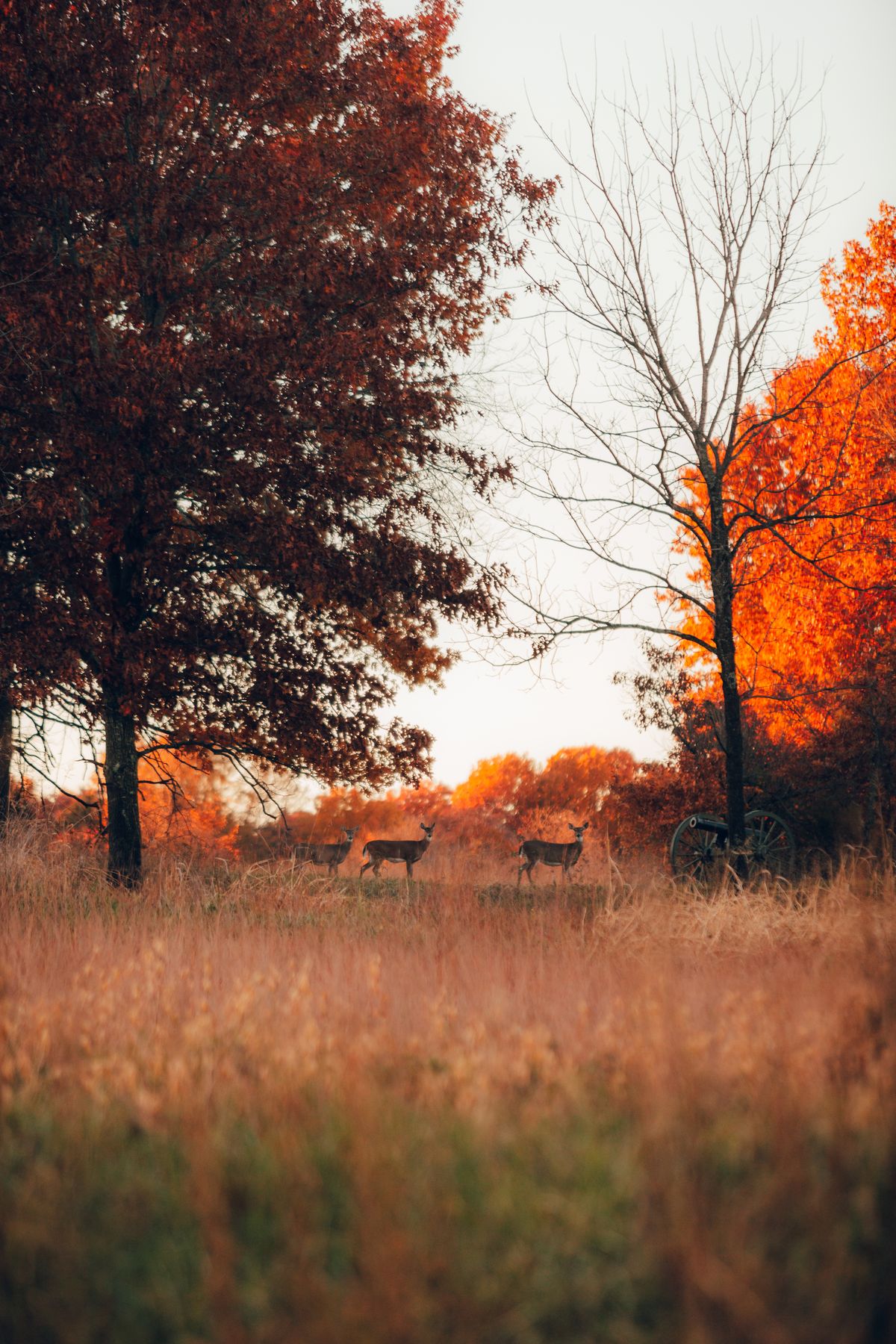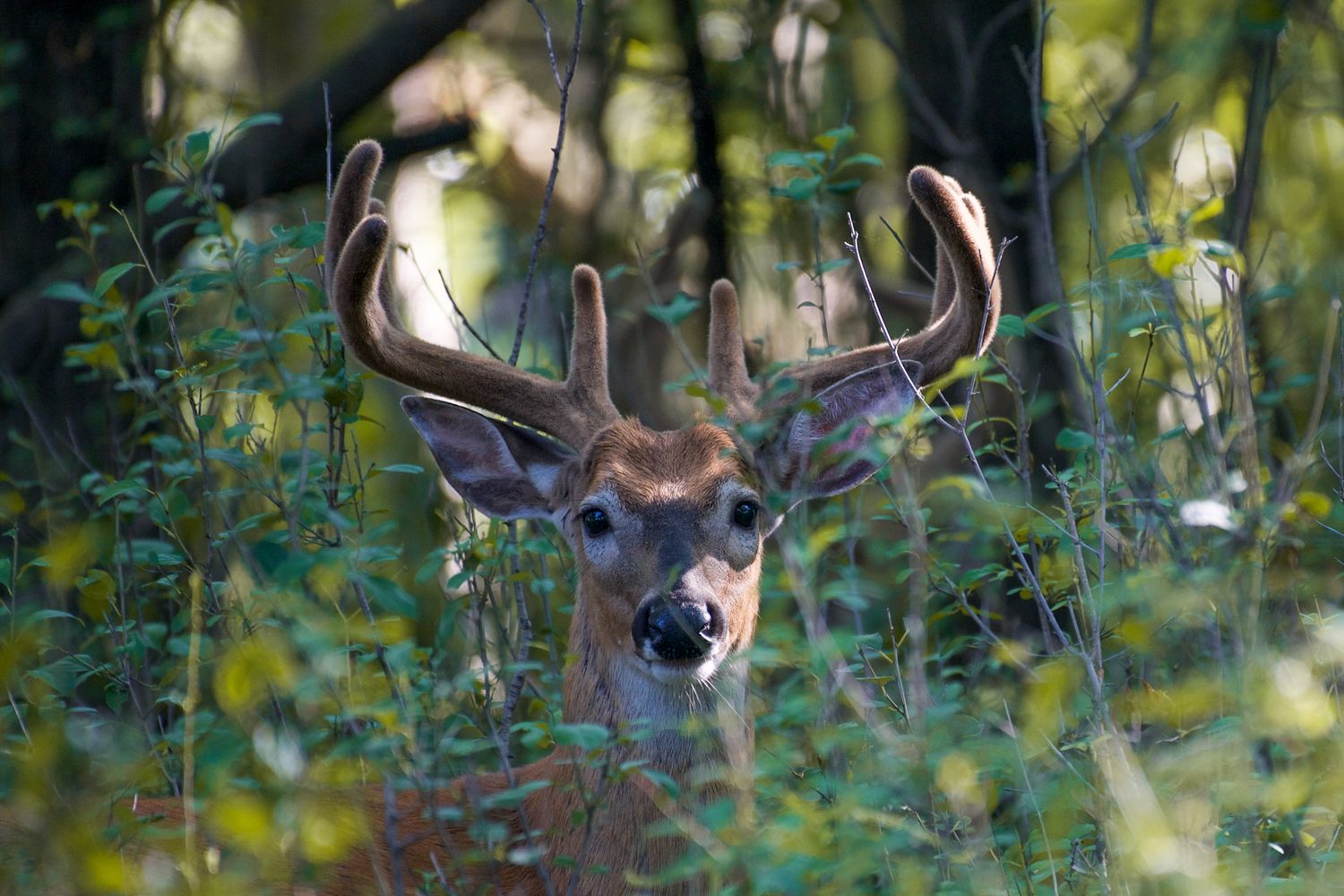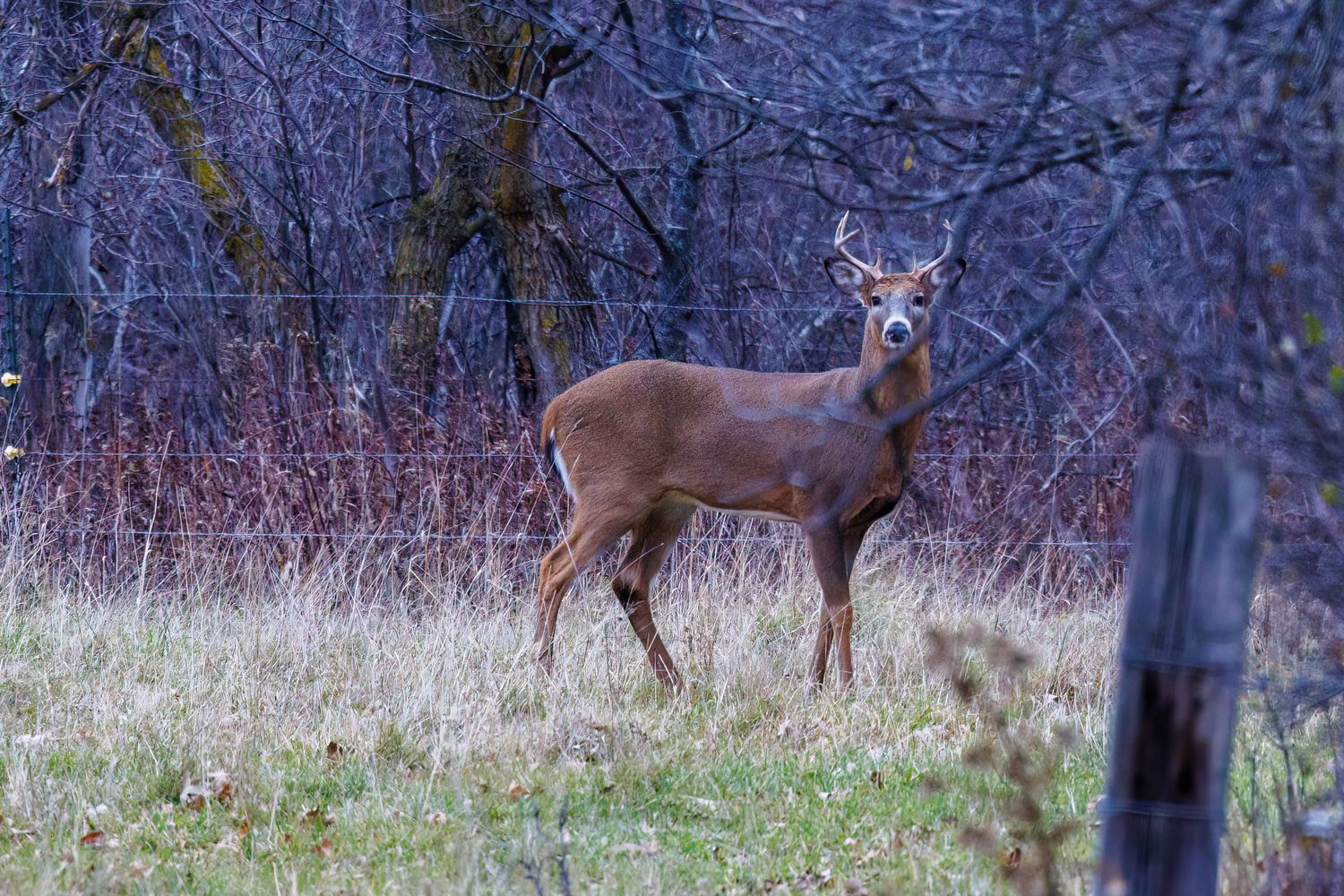
You just signed a lease on a property you've never hunted. The previous tenant is gone, the trail cameras came down with him, and you have one summer and a fall to figure out where the deer actually live. Here's the good news: the deer have been leaving you a written record the whole time. Rubs, scrapes, trails, beds, and droppings are a paper trail of how whitetails use that ground — and learning to read them is the single highest-leverage skill you can bring to unfamiliar dirt. You don't need a decade on the property. You need to know what the sign is telling you.
This is the part of scouting that separates hunters who tag a buck their first season on a lease from hunters who spend three years "still figuring the place out." Below is how to decode the four sign types that matter most, what each one actually means (and what it doesn't), and how to turn a map full of sign into two or three stand sites worth hanging.
Why Sign Reading Matters More on a Lease You Don't Know
On your home ground, you hunt from memory. You know the funnel by the creek crossing because you watched a buck use it in 2021. On a new lease you have none of that history — which is exactly why physical sign is so valuable. It's the deer telling you, in their own language, what they've decided about the property: where they feel safe bedding, which trails they trust, where bucks are advertising for does, and where the property's pressure has pushed them.
A new lease also rewards efficiency. You want to learn the ground without educating every deer on it. Reading sign lets you do most of your scouting in the off-season and from a distance, so you're not blundering through bedding cover in October. If you haven't yet built an off-season plan for the property, start with our step-by-step off-season scouting game plan — this guide is the "what does it mean" companion to that "what do I do" walkthrough.
Rubs: What a Buck Is Telling You
A rub is a spot where a buck has scraped the bark off a sapling or tree with his antlers and forehead. Most hunters glance at a rub, think "buck was here," and move on. That's leaving information on the table. A rub is a signpost — and signposts have direction, size, and seasonality baked into them.
Read the Rub Line, Not the Single Rub
One rub is an anecdote. A series of rubs — a rub line — is a story. Bucks tend to rub on the side of the tree facing the direction they came from, which means a string of rubs reveals a travel route and often the direction of travel. Find three or four rubs in a rough line and you've found a trail a buck trusts enough to repeat. Pay attention to whether the fresh, light-colored rubs point back toward thick cover (a morning route from feeding to bedding) or out toward food (an evening route). That single distinction tells you whether a nearby stand is a morning or evening setup.
Big Rubs vs. Little Rubs
Any buck can shred a pencil-thin sapling, so small rubs only tell you a buck passed through. A rub on a wrist-thick or fence-post-sized tree, with gouges torn well above knee height, is a different message: that's usually a mature buck working out aggression, and big rubs get reopened year after year. A cluster of large, gnarled "traditional" rubs near a bedding edge is one of the most reliable indicators of a resident mature buck that a new-lease hunter can find. Mark every one of them.
Timing
Rubbing starts in late summer when bucks shed velvet and ramps up through the pre-rut. Early-season rubs near food are about velvet removal and sparring; the heavy, destructive rubbing along travel corridors in late October and November is rut-driven. When you're walking a lease in summer, last year's grayed-out rubs still matter — they show you the historical travel pattern even before this year's bucks start working.
Scrapes: The Community Bulletin Board
A scrape is a pawed-out patch of bare dirt, usually under an overhanging "licking branch," where bucks (and does) deposit scent to communicate. If a rub line is a one-way sign, a scrape is the neighborhood group chat — multiple deer check in, leave a message, and move on. That makes scrapes fantastic inventory tools and trickier hunting tools, and it's worth being honest about the difference.
The Licking Branch Is the Real Story
The dirt gets the attention, but the overhanging licking branch above it is the part deer use year-round, often more than the pawed ground itself. A scrape under a sturdy, well-positioned branch at the junction of cover and a trail is a "primary scrape" — a community hub that gets reworked annually. Those are the ones to map. A random scrape in the open with no licking branch is often a one-off and rarely worth building a hunt around.
Be Realistic About Hunting Over Scrapes
Here's where new hunters burn good days. A University of Georgia trail-camera study found that the majority of mature bucks (three years and older) checked scrapes in the dead of night — frequently between 2 and 3 a.m. — and that well over 80% of scrape activity happens after dark. As National Deer Association biologist Kip Adams puts it, hunters are usually better off backing off the freshest scrapes and instead watching a heavy trail or the edge of cover a few hundred yards away, where that same buck is more likely to be moving in daylight. (The NDA's own guide to rubs and scrapes is a solid primary-source primer if you want to go deeper on the biology.)
So treat a fresh primary scrape as a giant arrow that says "a buck lives near here," not as the exact tree you should sit in. Use it to find the bedding it connects to, then back off toward daylight movement.
Trails: Reading the Highways
Trails are the connective tissue between everything else — bed to food, bed to bed, cover to water. On a new lease, mapping the trail network is how you stitch isolated rubs and scrapes into a coherent picture of how deer move.
Runs vs. Escape Trails
Not all trails are equal. A wide, beaten "run" through open timber or along a field edge is usually a feeding-pattern trail — heavily used, often by does and young deer, frequently after dark. The trail you really want is the fainter, more deliberate one slipping through thick cover, parallel to but set back from the obvious run. Mature bucks favor these lower-visibility routes, especially with the wind in their favor. When you find a subtle trail with big tracks and a nearby big rub, you've found something. Read it together with prevailing wind — our wind-strategy guide walks through how to pair a trail with a huntable approach.
Where Trails Matter Most: Pinch Points and Edges
Terrain concentrates movement. Where two pieces of cover nearly touch, where a ridge saddle drops between two drainages, where a fence gap or creek crossing forces deer into a narrow lane — that's where multiple trails converge into a pinch point, and that's where you want to be. A single trail through open woods is hard to hunt; three trails funneling through a 40-yard gap is a stand site. Mark every convergence you find.
Beds, Droppings, and Tracks: The Supporting Cast
Three smaller sign types round out the picture. Beds are oval matted-down spots, often on benches, points, or the downwind edge of cover with a view of their backtrail; a cluster of varied-size beds suggests a doe family group, while a single large bed off by itself on a point with the wind at its back is a classic mature-buck bedroom — give it a wide berth and hunt the trails leading to it, not the bed itself. Droppings indicate how recently and heavily an area is used; clusters of fresh, shiny pellets near a food source tell you the table is currently set. Tracks show size and direction — large, splayed tracks sunk deep in soft ground point to a heavy-bodied deer, and a muddy crossing is the best track substrate you'll find for confirming what's using a trail.
None of these alone makes a hunt. Together with rubs, scrapes, and trails, they let you grade an area's confidence level — and that grading is exactly the logic behind the HuntLease Field Ready Score™, which weighs deer activity and conditions so you can prioritize when and where to sit.
Putting It Together: A Sign-Mapping Plan for Your New Lease
Reading individual sign is step one. Turning it into a map is what actually fills a tag. Here's the workflow that works on unfamiliar ground:
1. Start on the map before your boots hit the dirt. Pull up an aerial and topo view of the lease and mark the obvious terrain features — cover edges, drainages, ridge saddles, water, ag and food sources, and any pinch points where cover necks down. Free tools like Google Earth and USGS topo maps work, and the HuntLease Scouting maps let you drop and organize these markers so every piece of sign you find later has a home on the map.
2. Ground-truth with one careful walk. Pick a low-impact day, ideally with damp soil and the wind in your face, and walk the edges and terrain features you flagged — not the bedding cores. Log rubs, rub lines, primary scrapes, trail convergences, and bed clusters as you go. Note direction of travel on rub lines.
3. Look for overlap. The spots where multiple high-value sign types stack — a big rub line crossing a subtle buck trail, feeding into a pinch point a few hundred yards off a primary scrape — are your A-sites. One or two of those per lease is plenty.
4. Set access first, stand second. A perfect tree you can't reach without blowing every deer out of the field is worthless. Plan an entry and exit route that uses terrain and wind to stay hidden, then hang where the sign and the access agree.
If you want the full off-season sequence — digital recon, cameras, glassing, and the one-walk rule — it's laid out in our summer scouting game plan. And once the season opens, line your sign map up against the calendar with our pre-rut, peak-rut, post-rut game plan, because the same scrape means very different things in early October and mid-November.
From Sign to Stand to Lease
The hunters who consistently kill on new ground aren't luckier — they read the property faster. Sign reading is how you compress years of familiarity into a single off-season, and a lease you control is the place to do it, because nobody else is rearranging the deer's furniture every weekend the way they do on crowded public ground.
If you're still shopping for that ground, browse current hunting lease listings — you can filter by state to find acreage near you — and before you sign, run the numbers with our free lease price calculator so you know a property is priced fairly for the habitat and access it offers. Own land you'd rather put to work? See how easy it is to list your land for hunting lease and turn that deer sign into income. Either way, the first buck you read off a fresh property is the one that proves you can do it anywhere.