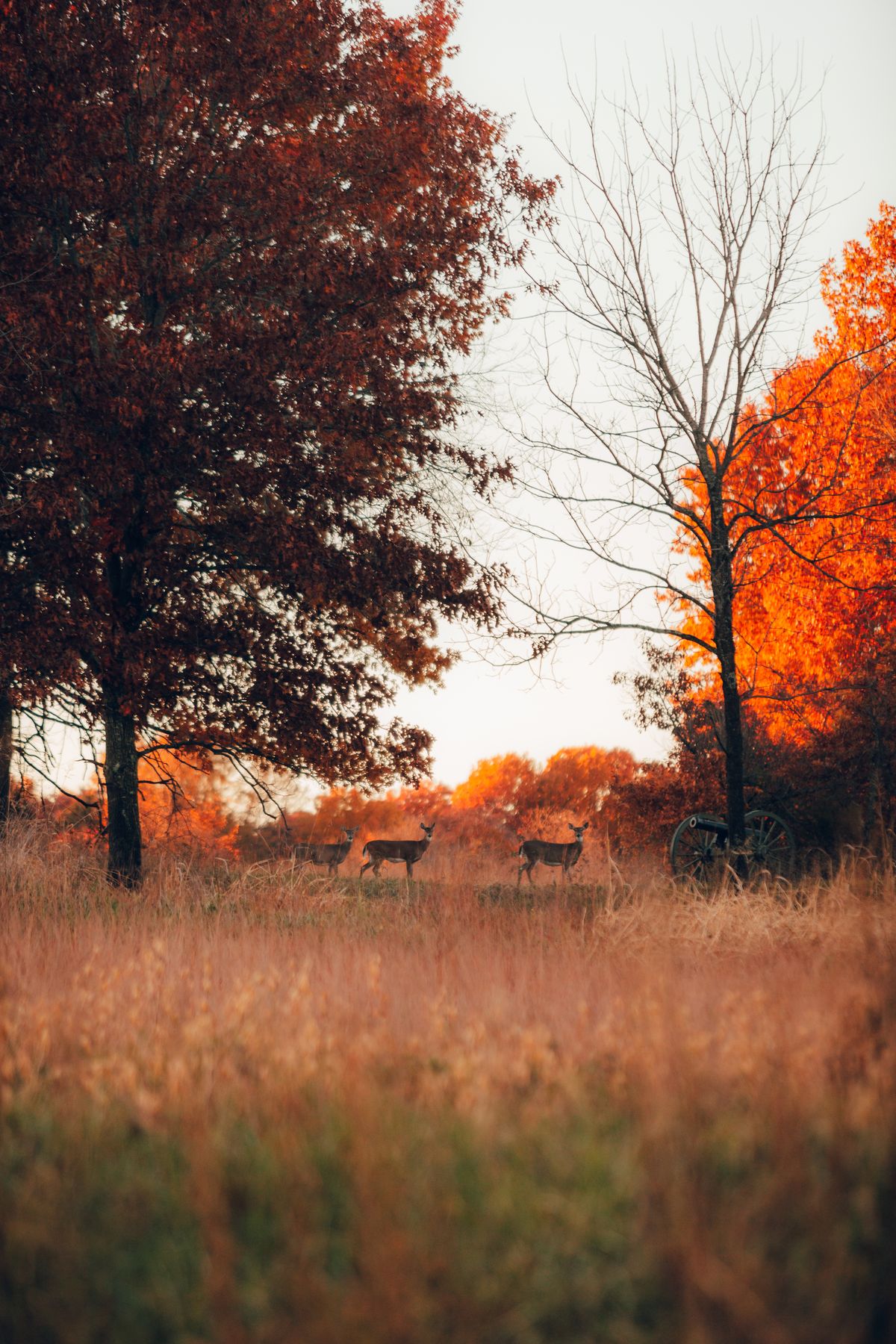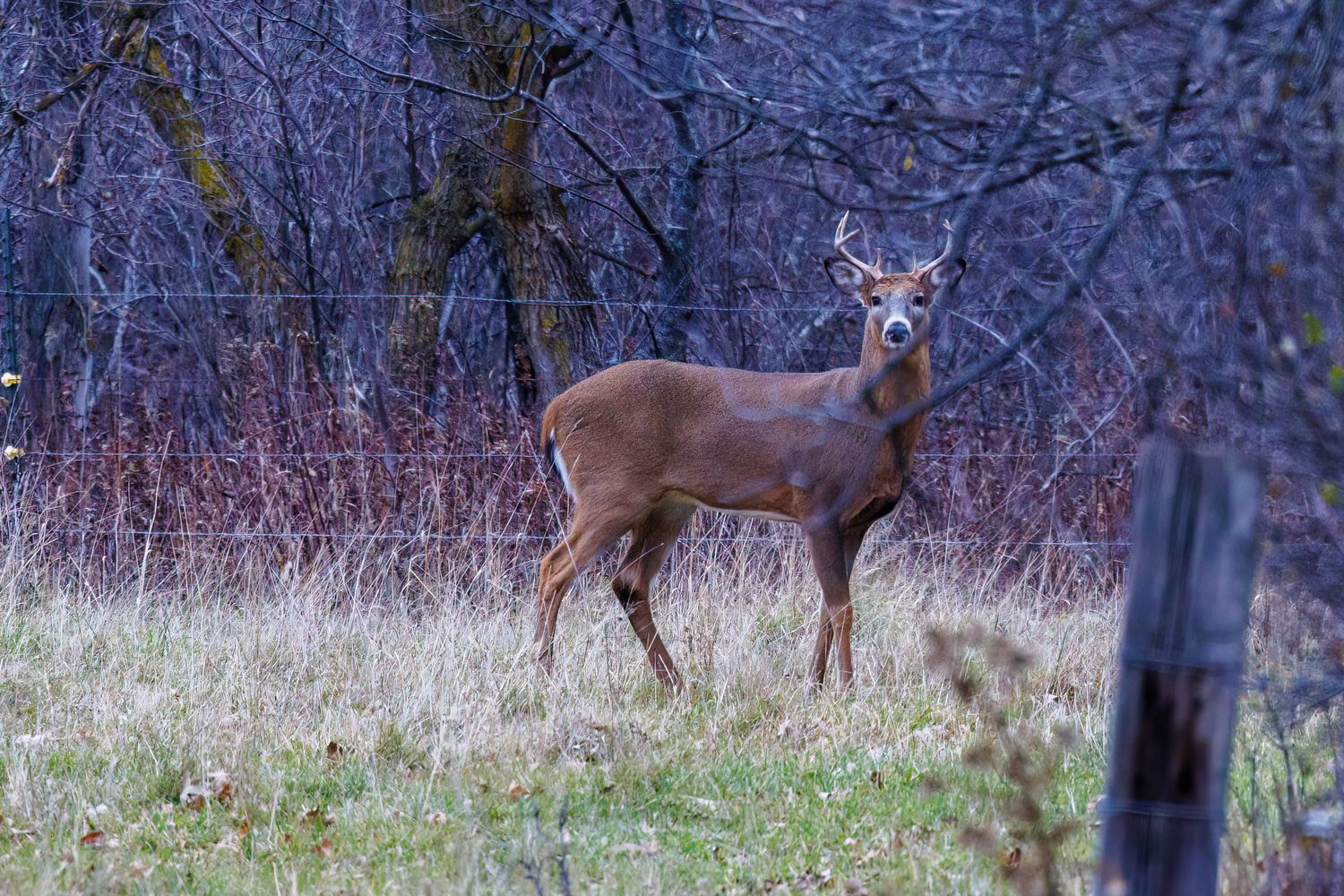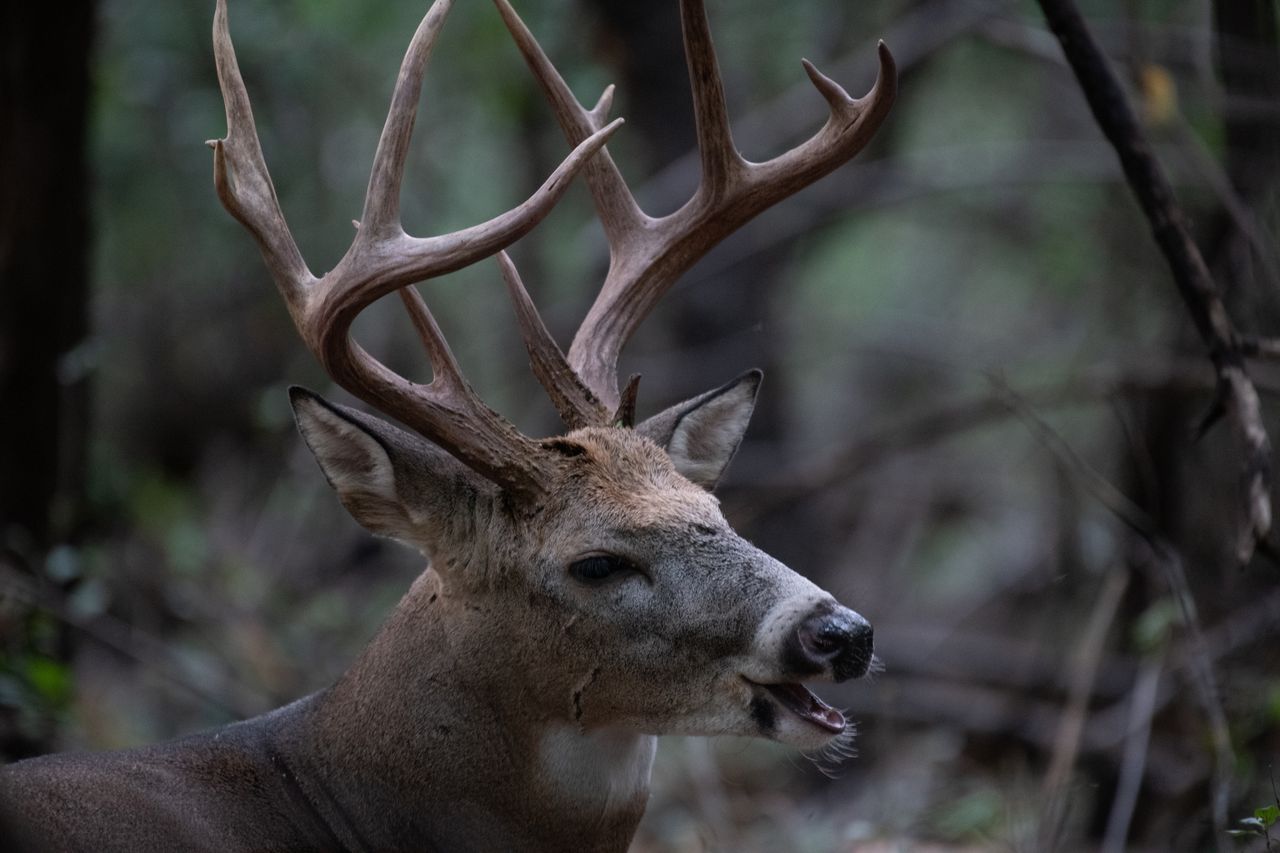
You signed a new lease this summer. You've got 600 acres nobody else can hunt, a gate key in your truck, and a season's worth of daydreams about the buck you'll finally kill on your own ground. Then October comes, you blow it, and you spend the winter wondering whether the property was the problem.
Here's the uncomfortable truth: on brand-new lease ground, the property is almost never the problem. The hunter is. Private land removes the crowd, but it doesn't remove your habits — and the habits that let you scrape by on pressured public dirt are exactly the ones that torch a fresh lease. You've traded competition for responsibility, and most first-year lease hunters spend that first season quietly sabotaging a good piece of ground without ever realizing it.
Below are twelve mistakes we see over and over from hunters who just picked up new ground. None of them are exotic. All of them are fixable before opening day. Read them as a pre-flight checklist for the season you actually paid for.
1. Treating the whole lease like it's already yours to stomp
The single most common new-lease mistake is behaving like the property owes you access to every corner of it on day one. Hunters get the key and immediately walk the entire tract — every ridge, every bottom, every bedding thicket — in the name of "learning the land." What they actually do is dump human scent across the one resource they can't buy back: a mature deer's sense of security.
On public land the deer expect people everywhere, so a little intrusion barely moves the needle. On a lease that's been quiet, you are the disturbance. Learn the property from the edges and from aerial imagery first, and save the boots-on-the-ground intrusion for the spots that will actually pay off. Our step-by-step off-season game plan for a new lease walks through the low-impact way to do this.
2. Scouting with your feet before you scout with a screen
Every hour you spend e-scouting is an hour you don't spend educating deer. Satellite and topo layers will hand you funnels, pinch points, interior field edges, water sources, and bedding cover before you ever step out of the truck. Skip that step and you'll burn a week of daylight walking to "see what's out there" — and every deer on the place will know your route by the second week.
Build a map. Mark the terrain features, the likely bedding, the access routes that keep the wind in your favor, and only then confirm a short list of spots on foot. If you've never leaned on digital scouting, our guide to mastering e-scouting is the fastest way to shorten the learning curve.
3. Hanging every stand on the field edge
Field edges feel productive because you see deer from them. But if you can see the deer at last light, the deer that matter — the mature bucks — are usually still 80 yards back in the timber waiting for full dark. New lease hunters stack their stands on the easy, obvious ag edges and then wonder why they only ever see does and yearlings in shooting light.
The killing spots are almost always one terrain feature deeper: the staging area, the inside corner, the trail junction between bed and feed. Push your setups off the field and into the transition zone. It feels less comfortable and it produces a lot more bucks.
4. Ignoring the wind because the spot "looks perfect"
A perfect-looking stand on the wrong wind is a liability, not an asset. This is the mistake that quietly ruins otherwise great sits: hunters fall in love with a tree, hang a set, and then hunt it on whatever day they happen to be free — regardless of which way their scent is blowing.
Every stand you hang should have a written note attached to it: which wind directions make it huntable, and which make it off-limits. If you only have one great funnel, hang two stands on it for opposite winds rather than forcing a bad-wind sit. Our region-by-region wind strategy guide shows how to match stand sets to prevailing winds so you're not guessing.
5. Skipping access planning entirely
Where you hunt matters less than how you get there. You can hang the perfect stand and still spook every deer in the county if your walk in cuts across a food source at dawn or crosses a bedding area on the way out at dark. New lease hunters obsess over the "X" and give zero thought to the entry and exit route.
Plan your access first. Use ditches, creek beds, tree lines, and terrain to hide your approach, keep the wind in your face, and — critically — figure out how you'll leave a stand after dark without blowing deer off the food. If you can't get in and out clean, it's not a spot yet.
6. Over-hunting your best stand in the first two weeks
You found the honey hole. Now you want to sit it every chance you get. Don't. The fastest way to make a great stand worthless is to hunt it before conditions are right and burn the spot's element of surprise on a marginal-wind Tuesday evening.
Your best setups are ambush spots, and an ambush only works once or twice before the deer adjust. Treat your A-spot like a special-occasion weapon: right wind, right conditions, right time of season. Hunt your B and C stands while you wait for the day the A-spot is worth cashing in.
7. Reading deer sign without reading it in context
A fresh scrape line looks exciting to a hunter on new ground, so they hang right on top of it. The problem: most scrapes and a lot of rubs get worked at night, and a sign-heavy area isn't automatically a daylight-huntable area. Sign tells you deer use a spot; it doesn't tell you when.
Learn to read sign as a system — the direction of travel, the age of the sign, whether it lines up with bedding-to-feeding movement in daylight. Our breakdown of how to decode rubs, scrapes, and trails on a new lease keeps you from setting up on nighttime sign.
8. Passing on trail cameras — or checking them constantly
There are two opposite trail-camera mistakes, and new lease hunters manage to make both. The first is running no cameras at all and hunting blind on a property they don't know yet. The second is running cameras and then walking in to pull cards every three days, spreading scent across the whole farm to look at pictures.
Cameras are the highest-leverage scouting tool you have on ground you can't afford to intrude on — if you run cellular units or check standard cameras rarely and surgically. Get eyes on the deer without putting boots on the bedding. Our 2026 trail camera and cellular scouting guide covers which setups let you scout without pressuring the property.
9. Not patterning the specific deer you want to kill
Killing a mature buck on a lease is a targeting problem, not a volume problem. Hunters who came up on pressured public land are conditioned to hunt "where the deer are" in general. On a lease you have the luxury — and the responsibility — to hunt one specific animal on his specific pattern.
Once your cameras and observation sits identify a shooter, everything shifts toward him: his bed, his food, his daylight movement windows, the wind he moves on. That focus is the whole point of paying for private ground. Our guide to patterning a mature buck from summer velvet through the opener lays out how to build that pattern before the season slips away.
10. Treating early season and the rut the same way
The setup that kills a buck on a September food source is not the setup that kills him on November 8th, and hunters who don't adjust their strategy to the calendar leave their best two weeks on the table. Early season is a food-and-bed game; the rut is a doe-and-travel game. Same property, completely different playbook.
Map your season in phases and pre-plan which stands come alive when. The rut rewards aggression and interior funnels; early season rewards patience and staying off the deer. Our six-week pre-rut, peak-rut, and post-rut game plan for private-land hunters is built exactly for lease ground.
11. Neglecting the relationship with the landowner
Your lease is a business relationship, and the hunters who keep the best ground year after year are the ones the landowner actually wants back. New lessees show up, hunt, and vanish — then act surprised when the property gets leased to someone else, or when the rate jumps, next season.
Communicate. Ask before you cut shooting lanes, hang permanent stands, or bring guests. Close gates, report trespassers, and leave the place better than you found it. A landowner who trusts you is worth more than any stand location, and understanding the deal from their side helps — our how-it-works page for landowners shows what they're weighing when they decide who to renew.
12. Overpaying — or misjudging what the lease is worth
The last mistake happens before you ever hang a stand: signing for a number you never sanity-checked. Lease pricing swings enormously by state, region, habitat, and acreage, and a hunter new to leasing often either overpays out of excitement or walks away from a fair deal because it "felt" high. Neither is a decision you want to make on a gut feeling with a season on the line.
Before you sign — or renew — run the numbers. Our free hunting lease price calculator gives you a grounded estimate of what a tract should cost based on its real attributes, so you're negotiating from data instead of hope. And if you're still shopping, you can browse current lease listings to see what comparable ground actually rents for in your area.
The bottom line
A new lease is the best chance most hunters ever get to hunt on their own terms — no crowds, no truck doors slamming at 4 a.m. two ridges over, no racing a stranger to the good tree. But that opportunity is fragile. Every one of the mistakes above comes down to the same root cause: hunting a private property with a public-land mindset, spending intrusion and pressure like they're free when on a lease they are the most expensive currency you have.
Slow down. Scout smart, plan your access, respect the wind, hunt the right stand on the right day, and treat both the deer and the landowner like the long-term assets they are. Do that, and the property you almost blamed in the first paragraph turns into the best hunting of your life.
Ready to make sure your ground is priced right — or find better ground for next season? Run your tract through the free HuntLease price calculator or browse available hunting leases near you and start the season with a property that fits both your goals and your budget.