Most hunters don't lose a season on opening morning. They lose it in July, when the lease paperwork is still unsigned, the trail cameras are still in the box, and nobody's actually walked the back forty since last November. The season isn't won in the stand — it's won in the eight weeks before the stand ever goes up.
This is that eight-week plan, in checklist form. It's built for both sides of a lease: the hunter who just signed (or is about to) and the landowner who wants a smooth, paying, low-drama season. Work top to bottom, check things off as you go, and you'll walk into the opener with the paperwork clean, the property scouted, the stands hung, and your gear ready to hunt instead of ready to shop for.
Here's what the checklist covers:
- Locking down the lease and the paperwork
- Scouting the ground and nailing down access
- Habitat, stands, and property prep
- Gear, safety, and the pre-season shakedown
- Licenses, regulations, and liability
- A landowner-specific pre-season list
- The final two-week countdown to opening day
Print it, screenshot it, or just scroll it before every trip out to the property this summer. If you're still shopping for the lease itself, start by pricing what the ground is actually worth with the HuntLease Lease Price Calculator and browsing open hunting lease listings before you commit.
Part 1: Lock down the lease and the paperwork (do this first)
Everything else on this list assumes you actually have the right to be on the property. Handshake deals and expired agreements are how good seasons turn into bad phone calls. Get the boring part right before you spend a dime on gear.
- ☐ Confirm the lease is signed and current for 2026. If last year's agreement lapsed or auto-renewed on vague terms, put a fresh one in writing. A solid written lease protects both parties — here's how to write a solid hunting lease contract (with a free template).
- ☐ Verify the dates. Your lease term should cover the entire season you plan to hunt, including any early archery or late antlerless windows. Don't assume — read the start and end dates.
- ☐ Know exactly what you leased. Total acres, the boundaries, and which parcels are in and out. Get it on a map, not just in conversation.
- ☐ Read the rules you agreed to. Number of guns, guests, ATV use, permanent vs. portable stands, baiting, food plots, and whether you can bring family. The fastest way to lose a lease is to break a rule you never read.
- ☐ Confirm the payment is made and receipted. Keep proof. If your lease requires a deposit, know what it covers and how you get it back.
- ☐ Trade contact info with the landowner and agree on how you'll communicate during season — text, call, a shared thread. Set the expectation now.
- ☐ Ask about other users of the land. Farming operations, timber crews, neighboring leases, family who walk the property. Surprises in October are worse than questions in July.
Not sure the number you're paying is fair? Run the property through the calculator and compare it against similar listings in your area. If you're a landowner reading this, the HuntLease landowner guide walks through structuring the whole arrangement.
Part 2: Scout the ground and nail down access
A lease is just dirt with a boundary line until you learn how the deer actually use it. Summer is the cheapest, lowest-pressure time to learn a property — you can push into bedding you'd never touch in October, because the mistakes don't cost you a season yet.
- ☐ Do your digital homework first. Pull up satellite and topo imagery, mark field edges, water, ridgelines, saddles, benches, and likely pinch points before you ever set foot out there. HuntLease Scouting maps are built for exactly this kind of desk work.
- ☐ Walk the boundary. Know where your ground ends. Note the neighbors, the roads, and any spot where a careless walk could put you over a line.
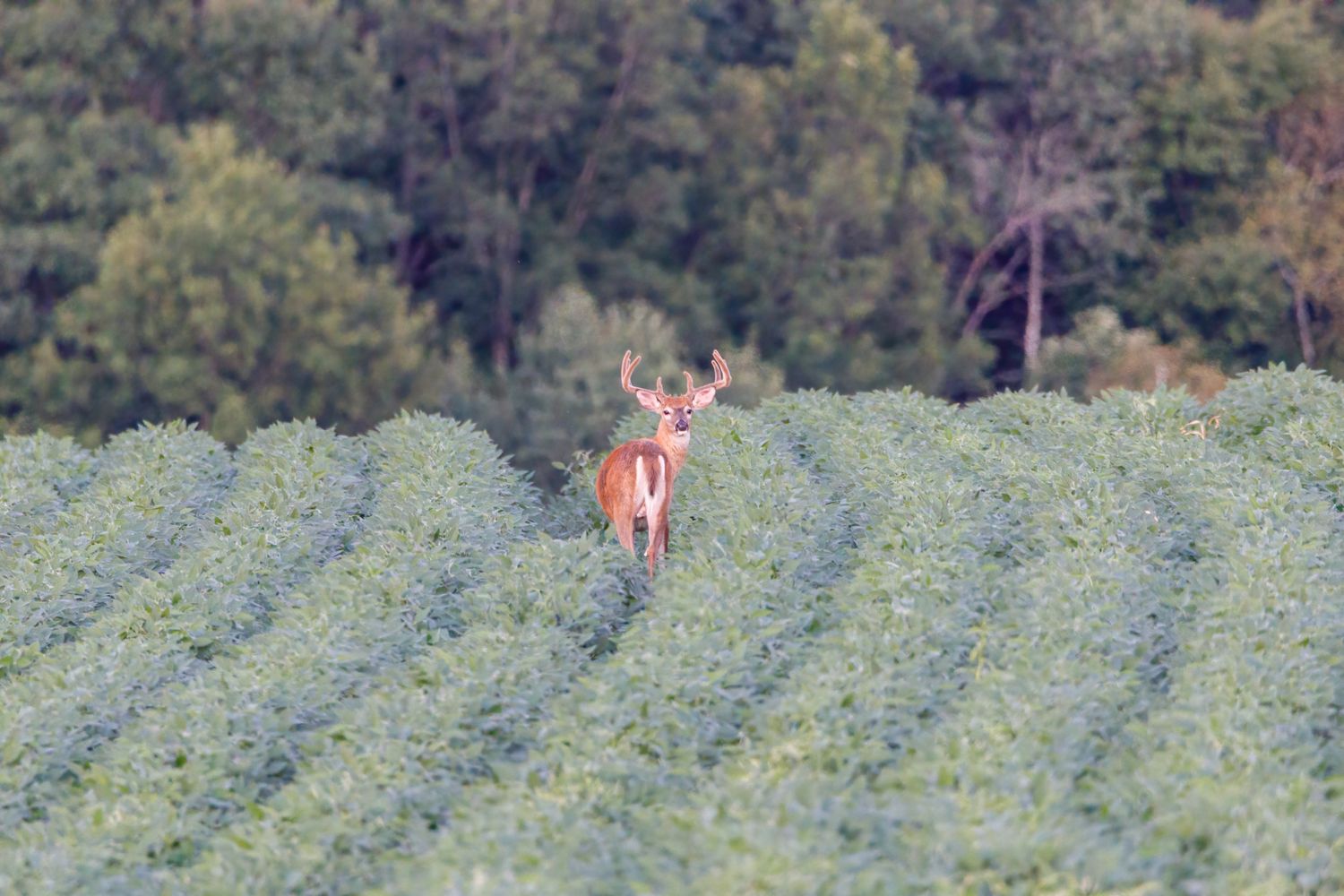
- ☐ Find and glass the summer food. Bean fields, alfalfa, clover, oak flats. Evening glassing sessions tell you what's living there before you ever disturb a bedding area.
- ☐ Hang trail cameras on travel, water, and food. Summer inventory is how you build a hit list. Keep it low-impact — get in, hang, get out. (New to camera strategy? Our trail camera and cellular scouting guide covers the gear side.)
- ☐ Learn to read the sign that's already there. Old rubs, scrape lines, and worn trails from last fall still tell you how deer move. Here's how to decode rubs, scrapes, and trails on a new lease.
- ☐ Map your access routes. How you get in and out matters more than where you sit. Plan entry and exit that keeps the wind in your favor and your scent off the bedding.
- ☐ Check the HuntLease Field Ready Score for the property as you build your movement expectations for the fall.
- ☐ Do one careful walk-through of the interior — and then leave it alone. The goal is a mental map, not a highway of human scent through the core.
Want the full off-season scouting sequence? We laid it out step by step in how to scout a new hunting lease this summer.
Part 3: Habitat, stands, and property prep
Once you know how the deer live on the ground, you set up to intercept them. Get the intrusive work — chainsaws, post-hole diggers, stand hanging — done early so the property is quiet and settled well before the opener.
- ☐ Clear and hang your stands and blinds now, not in October. Deer forgive summer disturbance far faster than fall disturbance. Anything you hang in July is old news by opening day.
- ☐ Set multiple stand and saddle locations for different winds. One stand is a coin flip; three or four gives you a huntable option in almost any wind. If you're weighing your platform options, see treestands vs. saddle hunting.
- ☐ Cut and brush in quiet entry trails to each setup so you can slip in without crunching or skylining yourself.
- ☐ Confirm with the landowner before any habitat work. Food plots, hinge cuts, mowing shooting lanes, and screening all need permission — it's their land and often their equipment.
- ☐ Get summer food plots in the ground on schedule if your lease allows them, and plan fall plots for a late-summer planting window.
- ☐ Note property hazards. Old wells, rotten fence, wire, soft creek crossings, and any tree that shouldn't hold a stand. Flag them before someone finds them the hard way.
- ☐ Check every permanent stand from last season. Rotted platforms, rusted cables, and wobbly ladders kill hunters every year. If it's questionable, it's condemned.
Part 4: Gear, safety, and the pre-season shakedown
Nothing wastes a hard-won October sit like a dead camera, a bow that's out of tune, or a rangefinder with a corroded battery. Shake the whole kit down in the driveway, not in the dark.
- ☐ Inspect your safety harness and lifeline for frays, and replace anything questionable. This is the one line item you never cheap out on.
- ☐ Sight in your rifle or tune your bow early. Give yourself weeks of margin to fix a problem. Our pre-season rifle sight-in checklist is a good starting point.
- ☐ Test every battery-powered thing you own — cameras, rangefinder, headlamp, GPS. Fresh batteries, spares in the pack.
- ☐ Lay out and check your layering system for early-season heat through late-season cold, and repair or replace what failed last year.
- ☐ Pack and pre-stage your hunting pack so a morning sit is grab-and-go. A well-organized hunting pack is the difference between hunting at legal light and still sorting gear at sunrise.
- ☐ Plan your meat care. Know where the nearest processor is, or have coolers, game bags, and a plan to handle a deer in warm early-season temps.
- ☐ Practice at realistic distances and angles from an elevated position if you can. Flat-ground groups don't always translate to a steep shot at last light.
Part 5: Licenses, regulations, and liability
The legal side is unglamorous and non-negotiable. A tag you forgot to buy or a season date you misread can end your hunt before it starts — or worse, put you on the wrong side of a game warden.
- ☐ Buy your license and the right tags for the state and season type. Do it early; don't be the person fighting a website at 11 p.m. the night before.
- ☐ Pull the current regulations from your state DNR — season dates, bag limits, legal weapons, antler restrictions, and any unit-specific rules. Rules change year to year; read this season's, not last season's.
- ☐ Check CWD zones and carcass-transport rules if your property sits in or near a management area. They dictate what you can move off the land and how.
- ☐ Confirm Sunday-hunting rules for your state — several still restrict or prohibit it, and it directly affects how many days your lease is actually huntable.
- ☐ Sort out liability and insurance. Once money changes hands for access, a landowner's recreational-use protection often weakens — which is why a written lease, a signed release, and proper coverage matter. Start with landowner liability and the hunting lease insurance guide.
- ☐ Complete hunter education if it's required for you or a first-time guest, and print or save the card.
Part 6: The landowner's pre-season checklist
If you're on the other side of the lease, your July looks different — but a little prep keeps the season paying and the relationship healthy. A tenant who feels looked-after renews; one who feels ignored walks.
- ☐ Send lessees the signed agreement, the boundaries, and the house rules in writing. Clarity up front prevents almost every mid-season dispute.
- ☐ Confirm your insurance covers a paying hunting lease. Many farm policies don't, out of the box. Verify before opening day, not after an incident.
- ☐ Mark boundaries and post the property per your state's trespass and purple-paint laws so everyone knows where the line is.
- ☐ Communicate your farming and property calendar — harvest, spraying, timber work — so hunters can plan around it and nobody's surprised.
- ☐ Walk the property for hazards and liabilities and address or clearly flag them.
- ☐ Make sure you're charging what the ground is worth. If you're renewing or re-listing, price it with the Lease Price Calculator, then list your land where serious hunters are already looking. The full playbook is in the landowner guide.
Part 7: The final two-week countdown
By now the heavy lifting is done. The last two weeks are about going quiet, confirming details, and staying out of the deer's living room so the property is calm when the season opens.
- ☐ Pull cameras remotely or on a minimal-intrusion schedule. Now is when you go quiet on the property, not loud.
- ☐ Lock in your opening-morning plan — which stand, which wind, your entry and exit — and a backup for a wind that swings.
- ☐ Do a final gear check and pre-pack the truck. Harness, tags, light, knife, drag rope, everything.
- ☐ Re-read the current forecast and the Field Ready Score as the opener approaches and adjust your stand choice to the conditions.
- ☐ Give the landowner a heads-up that you'll be hunting the opener, and confirm gate codes and parking.
- ☐ Stay out of the core. The single best thing you can do the week before opening day is nothing at all in the spots that matter.
Frequently asked questions
When should I start prepping a new hunting lease?
As early as you can — ideally by early-to-mid summer. July and August are for the intrusive work (hanging stands, cutting trails, running cameras) because deer settle back down well before fall. The closer you get to the opener, the more every disturbance costs you.
What's the single most important item on this list?
A signed, current, written lease that both sides have actually read. Everything else is wasted effort if your right to hunt the ground is unclear or your access could evaporate mid-season.
I just signed my first lease and I'm overwhelmed. Where do I start?
Start with paperwork (Part 1), then scouting (Part 2), and let the rest follow. If it helps to see how one hunter walked the whole path, read how I found, vetted, and signed my first hunting lease. And when you're budgeting the season, know the real cost of a lease beyond the sticker price.
How do I know if my lease is priced right?
Run the acreage, location, and habitat through the Lease Price Calculator and compare against comparable listings in your region. If the number's way off in either direction, that's your cue to negotiate or keep looking.
Get the season started
A great season looks like luck from the outside. From the inside, it looks like a checklist you actually worked. Sign the lease, scout the ground, hang the stands, check the gear, read the regs — then go quiet and let the property come alive.
Still looking for the right piece of ground? Browse open hunting lease listings and price any property in seconds with the HuntLease Lease Price Calculator. Landowners, you can list your land and reach serious hunters before the season fills up.
Last updated: July 22, 2026. This article is general information for hunters and landowners, not legal advice. Always confirm current season dates, regulations, and licensing requirements with your state wildlife agency, and consult a qualified professional for lease, liability, and insurance questions specific to your situation.