HuntLease is a participant in the Amazon Associates Program. We may earn a commission on qualifying purchases made through links on this page — at no extra cost to you.
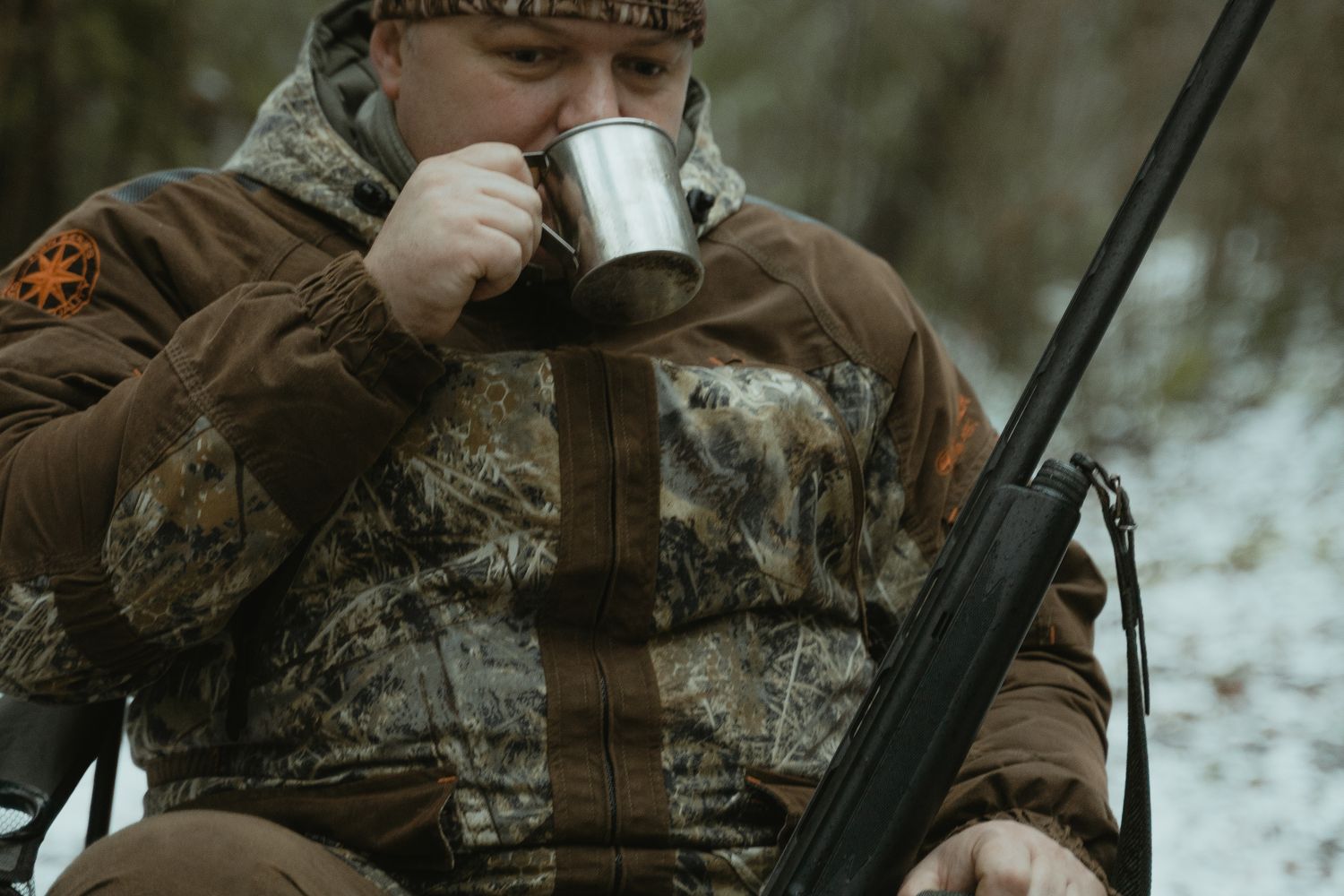
Here's the uncomfortable truth about hunting a lease: the two most important minutes of your morning happen in total darkness. The walk in, before legal light, decides whether you slip to your stand clean or bump every deer between the truck and the tree. And the walk out — often dragging a deer, sometimes tracking one — is where a weak, dying light turns a good day into a long, frustrating night. Public-land hunters can blame the crowds. On your own leased ground, the only variable left is you and your gear, and a good light is the cheapest edge you can buy.
Most hunters overspend on optics and treestands and then clip a $6 gas-station headlamp to their cap. That's backwards. Below are seven lights we'd actually carry onto a lease in 2026 — a mix of budget headlamps, a rugged premium option, a serious handheld, a long-range scanning light for predators and hogs, and a hands-free cap light for chores. Every one is rated 4.0 stars or higher with at least a hundred reviews, and every one was in stock when we checked.
Why lighting is a lease-hunting problem, not just a gear problem
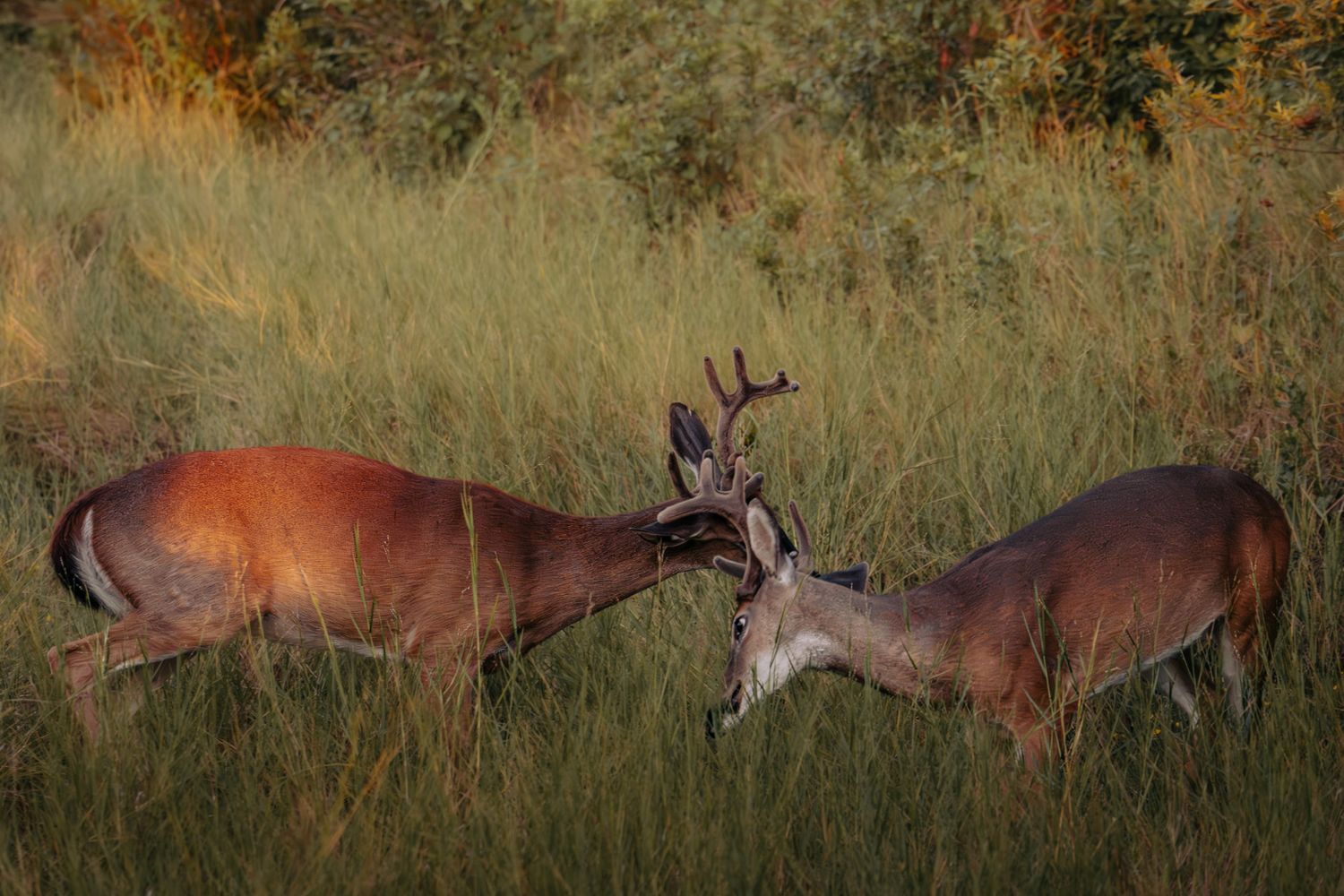
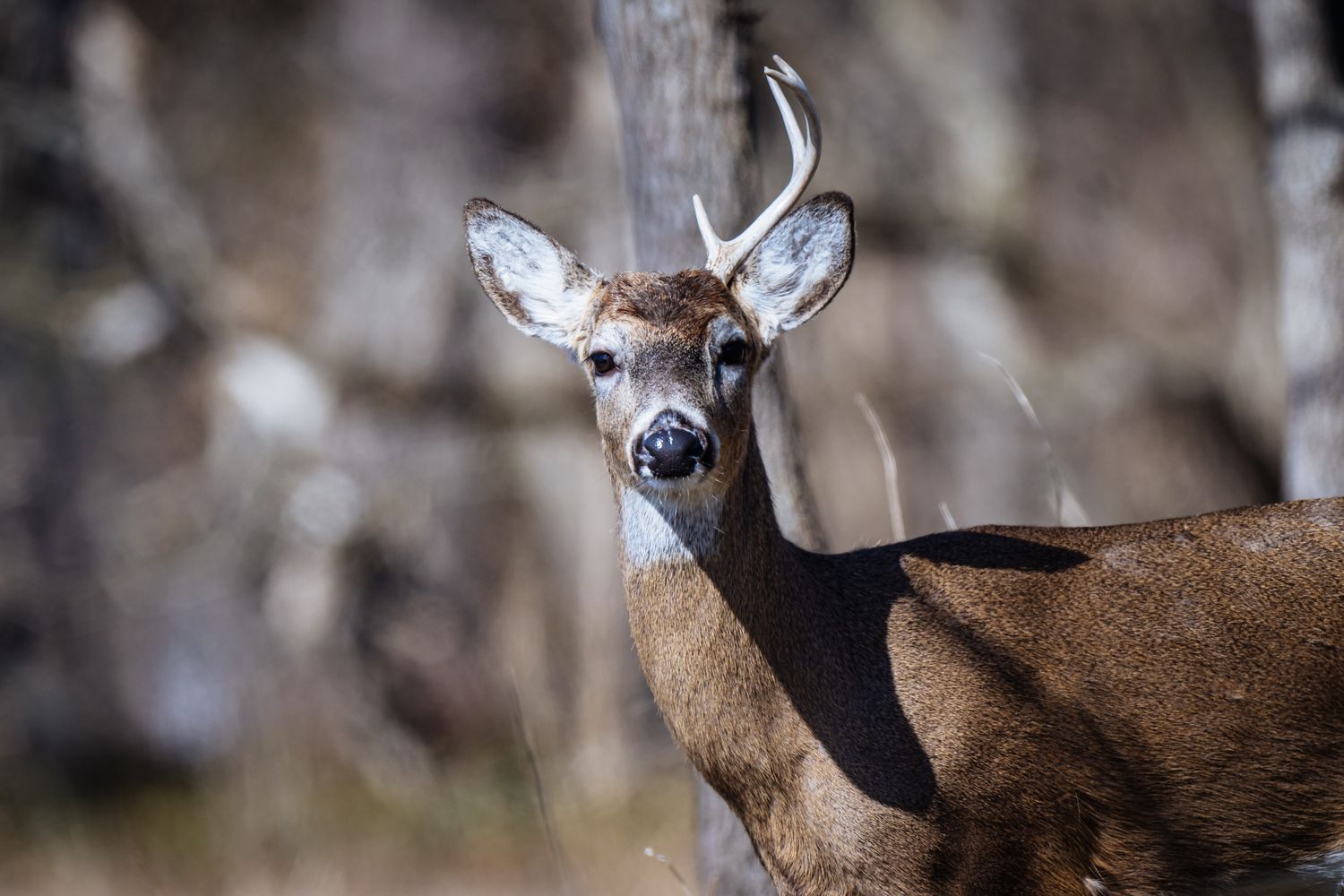
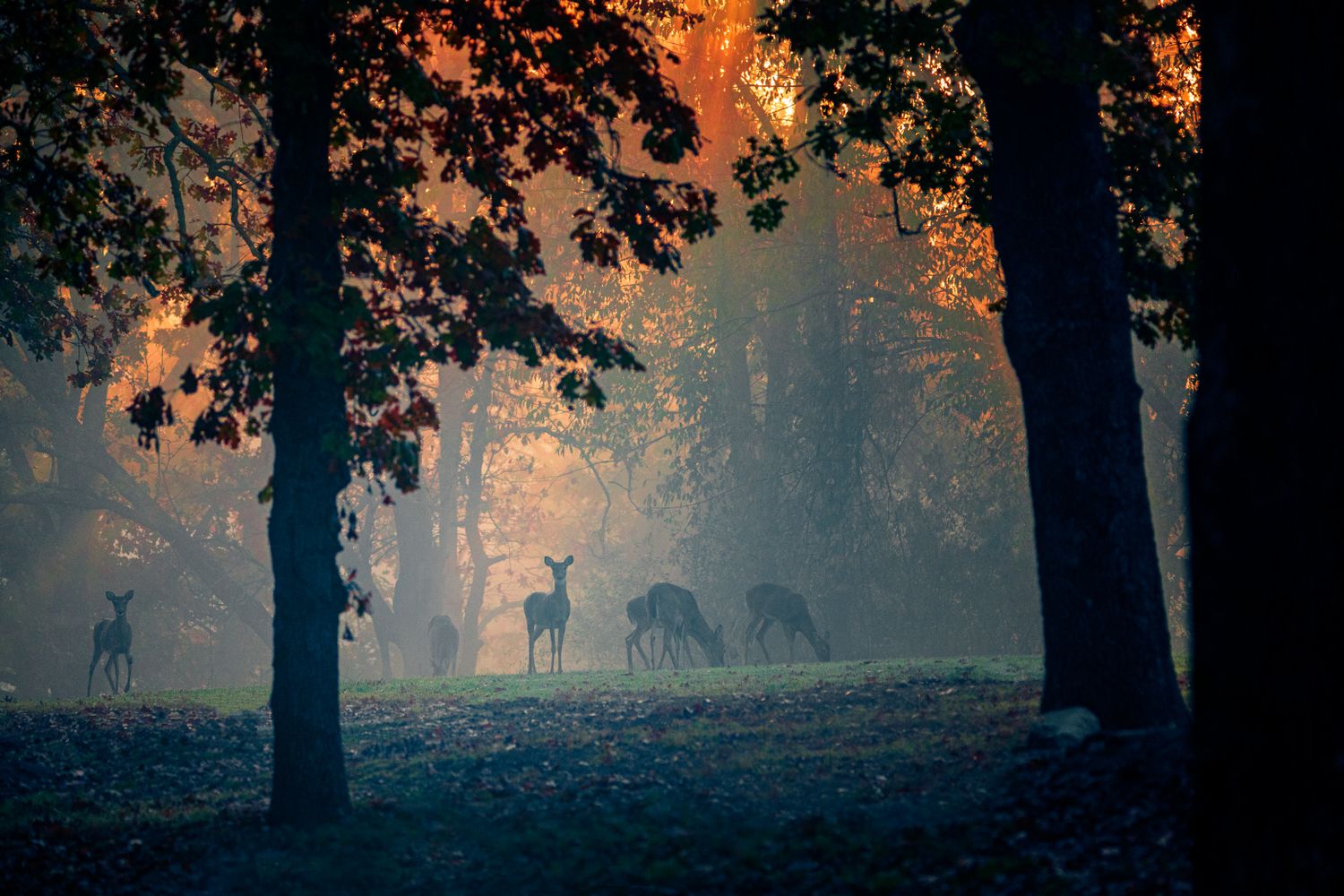
When you hunt the same ground season after season, your entry and exit routes matter more than almost anything else. A bright white light swinging through the timber at 5:00 a.m. educates deer fast, and educated deer on a small lease are a real cost — you paid for that access, and you can't just walk to the next ridge. The right light lets you move quietly and dimly on the way in, then throw serious output when you actually need it: following a blood trail, field-dressing, or finding your way back to an unfamiliar property line in the dark.
Three jobs a lease light has to do well:
- Get you in undetected. A low-lumen red or green mode is enough to watch your feet without lighting up the whole woods.
- Recover your deer. Blood looks very different under white versus colored light, and a focused beam saves trails that a floody lamp loses.
- Keep you safe and legal. Finding boundaries, climbing into a stand, and handling a knife in the dark are all safer with reliable, hands-free light — and being clearly visible matters when other members share the lease.
What to look for before you buy
Lumens and beam type. Raw lumens are marketing catnip; beam pattern matters more. A flood beam is best up close for dressing and camp chores. A focused (throw) beam reaches down a blood trail or across a field. The most versatile lights do both.
Color options. Red preserves your night vision and spooks deer less — ideal for the walk in and for close work. Green tends to punch farther and is the traditional choice for scanning for predators and hogs at night. White is for when the deer are already down and you just need to see. A light that offers all three covers every situation.
Rechargeable vs. batteries. USB-C rechargeable is convenient and cheap to run, but a cold-weather sit can sap a battery fast, so check the runtime on the mode you'll actually use. Some hunters still prefer swappable cells for late-season backups. Bring a small power bank either way.
Weight, waterproofing, and hands-free. If it's heavy or bounces, you'll leave it in the truck. Look for an IPX-rated water resistance and a comfortable strap or clip. And remember: any light you have to hold is a light you can't dress a deer with. Hands-free wins.
The 7 best hunting headlamps & flashlights for 2026
1. Best overall value: LHKNL Rechargeable Headlamp (2-Pack)
If you want the most usable light for the least money, start here. The LHKNL rechargeable headlamp comes as a two-pack with white and red output, a motion sensor so you can turn it on with a wave of a gloved hand, and eight modes across the two units. At around $20 for two, it's the light you keep one of in the truck, one in the pack, and don't cry over if you lose one down a ravine. With more than 35,000 ratings averaging 4.5 stars, it's one of the most proven budget headlamps on the market. It won't out-throw a premium unit, but for the walk in, gear sorting, and general camp use it's hard to beat the value.
2. Best dedicated hunting headlamp: EverBrite 350-Lumen Red/Green/White
This is the one built with hunters in mind. The EverBrite 350-lumen headlamp runs red, green, and white light with stepless dimming and a memory function, so it powers back on in the color and brightness you last used — no cycling through white and blowing your night vision at the worst moment. The green mode is genuinely useful for low-impact movement and short-range scanning, while red keeps you stealthy on the walk in. At roughly $16 with a 4.6-star average, it's the best pure-hunting pick under $20.
3. Best for the crew: HOKOILN Green & Red 1300-Lumen Headlamp (2-Pack)
Sharing a lease with buddies or bringing a kid along? The HOKOILN two-pack pushes up to 1,300 lumens and includes dedicated green and red modes across seven settings, so two hunters can gear up for well under $25 total. It's brighter than the typical budget lamp when you need to reach out, and the colored modes make it a legitimate hunting tool rather than a repurposed camping light. Rated 4.4 stars across more than a thousand reviews — a lot of light per dollar for a group.
4. Best premium headlamp: Fenix HM50R v2.0
When you want a light you'll trust for a decade, step up to the Fenix HM50R v2.0. It's a compact 700-lumen USB-C rechargeable with both white and red output, built around a durable aluminum body that shrugs off drops, cold, and rain in a way the plastic budget lamps don't. It runs on a rechargeable cell but can also take a backup, which is exactly what you want on a late-season all-day sit. At around $60 it's the priciest headlamp here, and worth it for the hunter who's tired of replacing cheap lamps every season. A steady 4.6-star rating backs that up.
5. Best handheld flashlight: Fenix PD36R Pro
Every serious deer camp needs one real flashlight, and the Fenix PD36R Pro throws up to 2,800 lumens in a pocket-sized, USB-C rechargeable package. This is the light you grab when a headlamp isn't enough — scanning a cut cornfield for the last deer of the evening, reaching deep into thick cover on a marginal blood trail, or lighting up a boundary you can't quite make out. The tight, far-reaching beam is its whole point. At about $120 it's an investment, but it's the kind of tool that ends up in your hand on every recovery for years. Rated 4.5 stars.
6. Best for predators & hogs: ANEKIM UC20 Green Hunting Light
If your lease comes with coyotes eating your fawn crop or hogs tearing up your food plots, night predator control is part of the deal (where legal — always check your state regulations first). The ANEKIM UC20 green light kit reaches out past 1,500 yards and ships with a Picatinny mount and a pressure switch, so it's built for scanning and calling rather than walking. Green output is easier on the eyes over long sessions and less likely to flare a predator than white. At roughly $70 with a 4.4-star average, it's a purpose-built tool for the after-dark side of lease management.
7. Best hands-free cap light: EverBrite Rechargeable Hat Light (2-Pack)
Sometimes you don't want a full headlamp strapped over your hat — you just want a small, clip-on light for hanging stands, filling feeders, or a quick check of the truck bed. The EverBrite hat-light two-pack clips to any cap brim, pivots to aim where you're looking, and includes a red mode plus a memory function, all for around $24. It's featherlight, water-resistant, and rechargeable. Keep one clipped to your hunting hat and one in the glovebox. With more than 1,200 reviews at 4.4 stars, it's a proven little workhorse.
Which light should you actually buy?
You don't need all seven. Here's how we'd think about it:
- New to leasing and on a budget? Grab the EverBrite 350-lumen red/green/white headlamp and the LHKNL two-pack. Under $40 total covers your entry, exit, and recovery.
- Want one light to trust for years? The Fenix HM50R v2.0 headlamp plus the Fenix PD36R Pro handheld is a buy-once setup.
- Hunting with a group? The HOKOILN and EverBrite two-packs kit out multiple hunters cheaply.
- Managing predators or hogs on your ground? Add the ANEKIM UC20 to whatever headlamp you carry.
Red, green, or white — a quick field guide
Use red on the walk in and for any close work near where you expect deer — it protects your own night vision and is the least alarming to game. Switch to green for scanning at distance and for predator and hog work, where its reach and eye comfort shine. Save white for after the shot: field-dressing, following a heavy blood trail, and navigating back to the truck. Learning to read a blood trail in the first place is its own skill — our guide to reading deer sign on a new lease pairs well with the recovery side of the night.
Take care of your lights
Charge everything the night before you hunt, not the morning of. Carry a small backup — a spare cell, a power bank, or simply a second cheap headlamp (this is why two-packs earn their keep). Wipe moisture off USB ports before charging, store lights out of extreme heat, and check runtime at the start of the season so a dying battery never surprises you on a recovery. A light is a tool you're betting a deer on; treat it like one.
Gear up the rest of your lease kit
A good light is one piece of a night-ready pack. If you're building out your setup, our roundups on the best trail cameras for 2026, the best hunting backpacks and packs, and the best hunting knives and field-dressing kits cover the rest of what rides in the truck. And if you're still hunting the same tired public spots, it might be time to run the numbers on a place of your own.
Frequently asked questions
Do I really need red or green light, or is white fine?
White works, but it costs you. It wrecks your own dark-adapted vision for several minutes and is the most likely to alert deer. Red for stealth and close work, green for distance, white for recovery is the setup that keeps you hunting effectively in the dark.
How many lumens do I actually need?
For walking and dressing, 200–350 lumens is plenty. For blood trailing and scanning fields, you'll want a focused beam that reaches out — that's where a 700-lumen headlamp or a 2,000-plus-lumen handheld earns its place. More important than peak lumens is having the right beam and color for the job.
Are rechargeable lights reliable in the cold?
Cold drains lithium cells faster, so check your runtime on the mode you'll use and carry a backup. Many hunters keep a USB power bank in the pack or a light that accepts swappable batteries for late-season insurance. Charge fully the night before every hunt.
Is night hunting with these lights legal on my lease?
For finding stands, dressing deer, and recovery, a light is standard equipment everywhere. Hunting predators or hogs at night is regulated differently in every state — some allow it freely, others restrict lights, calibers, or seasons. Always confirm your state regulations before you scan a field after dark, and make sure night activity is permitted under your lease agreement.
The bottom line
A quality light is the highest-value, lowest-cost upgrade you can make to your lease setup — it protects the deer you paid to hunt, saves the ones you shoot, and keeps you safe getting in and out. Start with a solid red/green/white headlamp, add a real handheld for recovery, and keep a cheap backup in the truck. Then spend your energy where it matters: finding the right ground.
Not sure your current lease is priced fairly, or hunting public land and ready for a place of your own? Run your numbers through the HuntLease lease price calculator, browse available hunting leases near you, and if you own ground, see how to list your land for hunting. The right lease plus the right light is a season-long advantage.
Last updated: July 2026. Product prices, ratings, and availability change frequently — confirm current details on Amazon before purchasing.