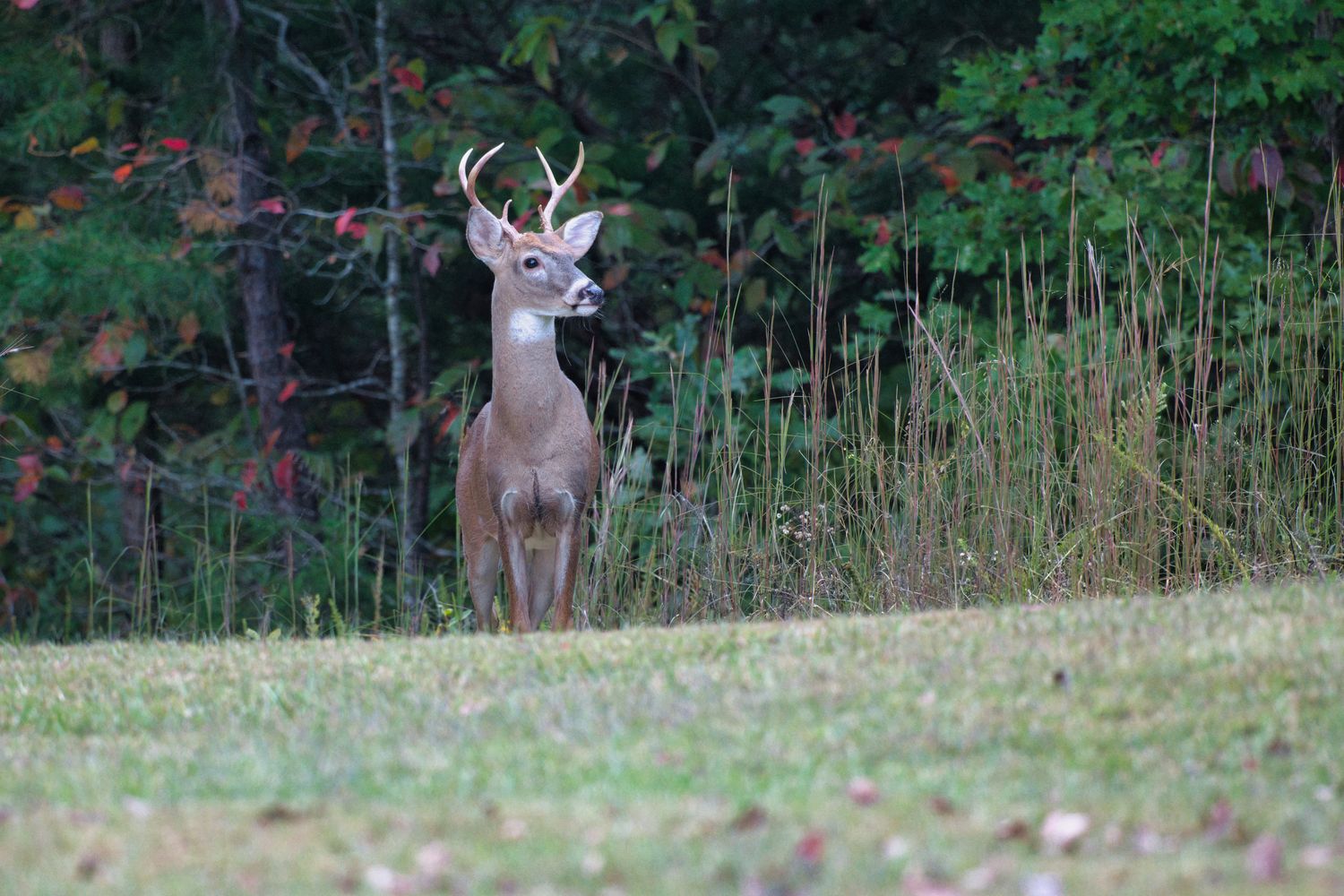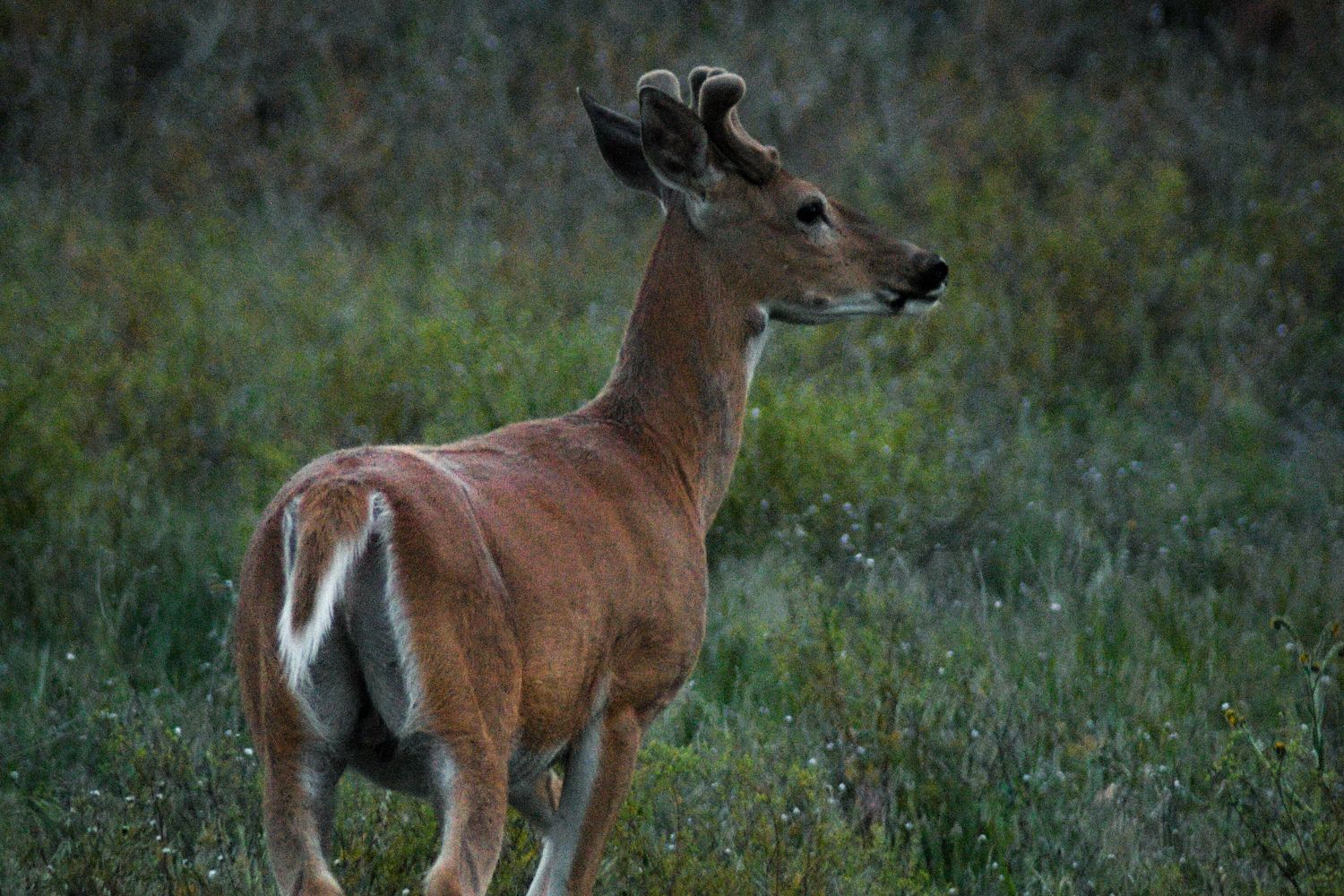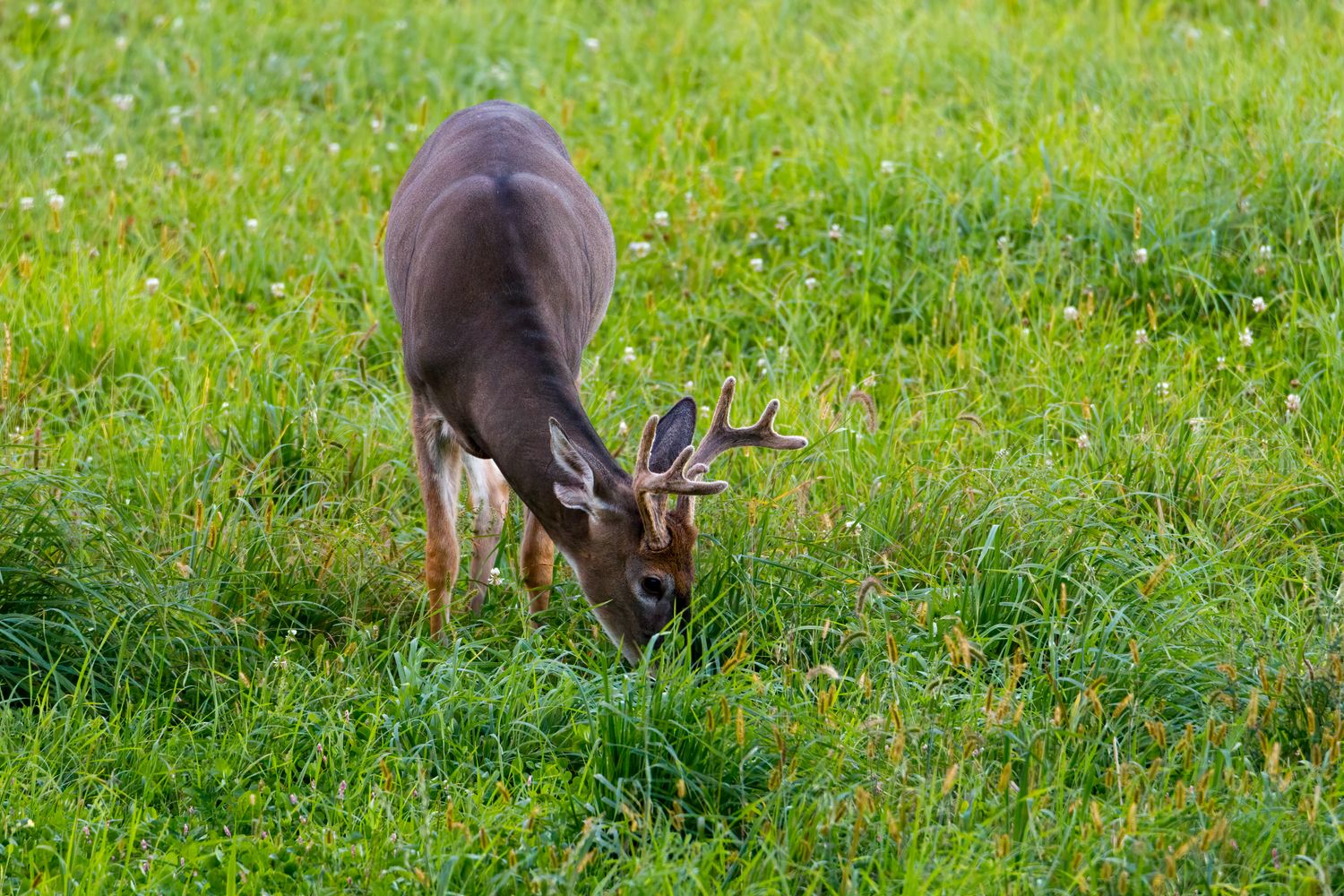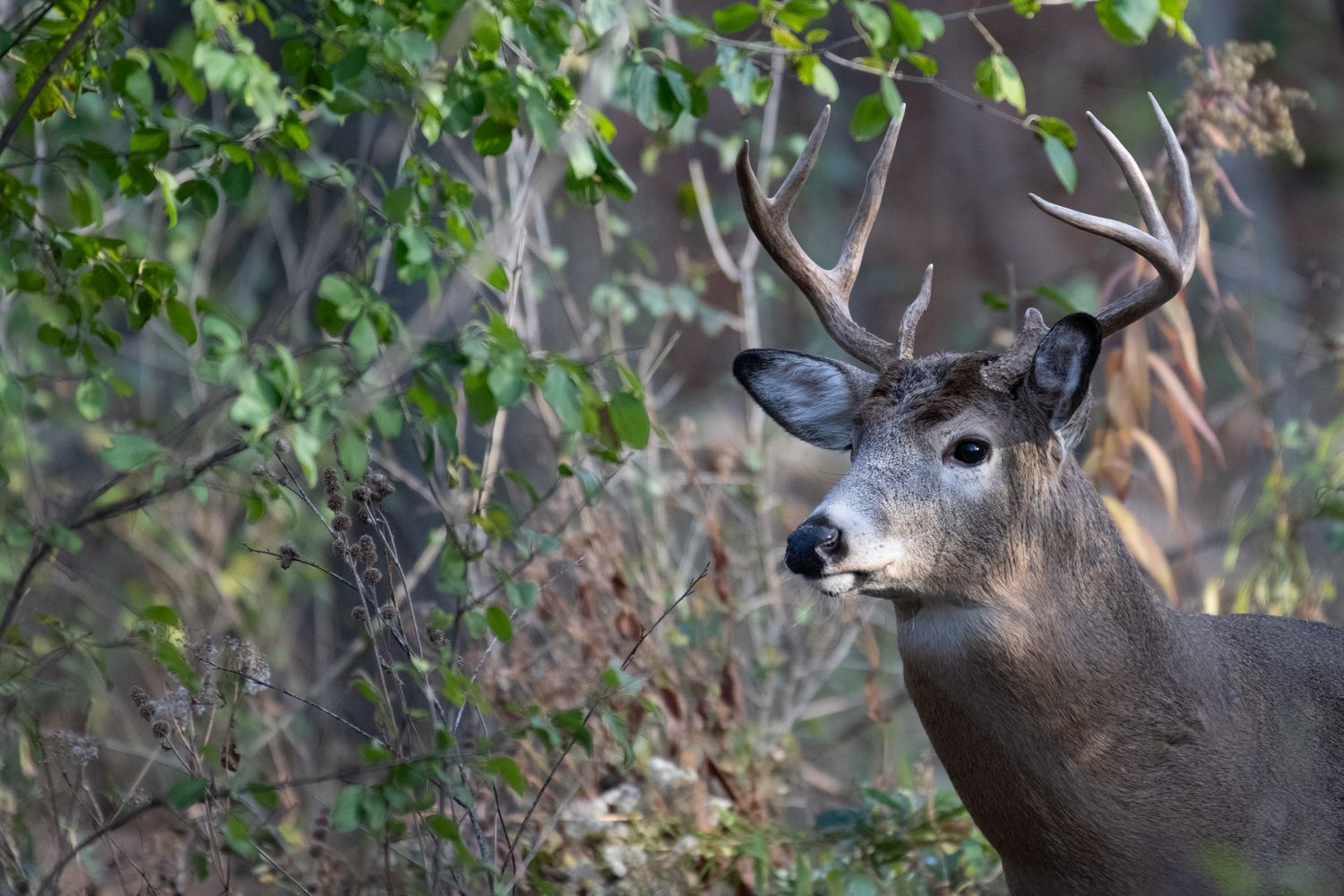
Most hunting-lease advice is written in adjectives — "affordable," "premium," "trophy-caliber." Numbers are harder to argue with. So we pulled the figures that actually shape what a hunting lease costs and what it delivers, from statewide harvest data and university extension surveys to the per-acre rates hunters are quoting each other right now, and laid them out in one place. Whether you're a hunter trying to sanity-check an asking price or a landowner wondering what your ground is worth, here is the 2026 hunting-lease market in twenty numbers.
What a lease actually costs
1. $8–$50+ per acre — the honest national range
There is no single "average" hunting-lease price, and anyone who quotes you one flat number is guessing. Rates run from roughly $8 per acre for lower-density timber ground in the Southeast to $50 an acre and up for premium row-crop and river-bottom ground in the Midwest trophy belt. The spread is the whole story: habitat, deer density, and region move the price far more than raw size does. Plug your own acreage and habitat into the HuntLease Lease Price Calculator to see where your ground lands inside that range.
2. ~$25 per acre — a typical Midwest working number
University extension surveys of landowners in strong deer states repeatedly land near the $25-per-acre mark as a statewide average, with waterfowl and prime ag ground pulling well above it. Treat that as a center of gravity, not a target — a below-average parcel priced at the "average" is how leases sit empty.
3. $5 to $50+ — the habitat ladder
Habitat type is the single biggest per-acre price driver, and it climbs a predictable ladder: single-age pine $5–$15, mixed hardwood $10–$25, CRP and grassland $12–$30, row-crop ag $15–$40, and creek or river bottom $20–$50+. Two 200-acre tracts can be worth double or half each other on cover and edge alone. We break the full ladder down in our guide to lease prices by habitat type.
4. The per-acre price falls as acreage rises
Small tracts command the highest per-acre rates because a hunter is paying for exclusivity and access, not just dirt. A tight 40-acre honey hole can fetch a higher price per acre than a 1,000-acre lease, where the rate flattens out as sheer size dilutes the premium. Our pricing-by-acreage benchmarks walk through what hunters pay at 10, 40, 100, 500, and 1,000 acres.
5. Two pricing models, two very different totals
Leases are priced either per acre or per gun (per hunter), and the model you choose changes the math for both sides. Per-gun pricing often earns a landowner more on smaller, high-quality tracts with a handful of members; per-acre tends to win on large ground. We ran the comparison in per hunter vs. per acre.
6. The sticker price is rarely the final price
Between membership dues, liability insurance, a security deposit, food-plot and access costs, and sometimes a lease-broker cut, the real out-the-door number frequently lands 10–30% above the headline per-acre figure. Before you sign anything, read what's actually in a hunting lease price so the "hidden" costs aren't hidden from you.
The land and the market
7. Around 40% of U.S. land is privately held for agriculture and forestry
The reason leasing exists at all: the overwhelming majority of huntable whitetail habitat sits behind a property line, in the hands of farmers, timber owners, and family landholders. As public ground gets more crowded every season, that private acreage is where quality hunting increasingly lives — and a lease is the legal key to it.
8. A lease can turn idle acres into recurring income
For a landowner, hunting rights are often the highest-value use of ground that otherwise generates nothing between harvests. On a mixed 200-acre parcel, lease income can run into four figures a year with essentially no added labor. We laid out the full picture — and where the math does and doesn't work — in does hunting land pay for itself?
9. "Hunting leases near me" is a search hunters run constantly
Demand is local and it is active: hunters overwhelmingly search by state and by proximity — "hunting land for lease in [state]," "hunting leases near me" — which means a listed property gets found by people who are ready to hunt it this season, not just browsing. Landowners can put ground in front of that demand through the HuntLease listings marketplace.
10. State demand is wildly uneven
Interest concentrates in a handful of strong deer states — Virginia, Pennsylvania, West Virginia, Texas, and the Midwest trophy belt lead the pack — while others stay quiet. Pricing your ground against a national number ignores that a Virginia lease and a West Virginia lease live in different markets. Our state-by-state price comparison lays the regions side by side.
The deer and the harvest
11. ~6 million deer are harvested in the U.S. each year
The National Deer Association's annual Deer Report puts the yearly U.S. deer harvest in the neighborhood of six million animals — a figure that underlines just how large, organized, and economically serious American deer hunting is. That harvest is the engine behind the entire lease market.
12. 276,262 — Missouri's 2024–25 deer harvest
A single strong state shows the scale. Missouri hunters checked 276,262 deer in 2024–25, down about 15% from the prior year's record after a late firearms opener and a bumper acorn crop kept deer in the timber. Harvest swings like that are exactly why hunters chase quality private ground — see our Missouri lease guide for the county-by-county detail.
13. 205,740 — Alabama's recent annual harvest
Another benchmark from a different region: Alabama's whitetail harvest has run around 205,740 in a recent season against a herd estimated near 1.5 million. High deer numbers plus a long season are a big part of why Deep South ground leases the way it does.
14. A mature-buck lease is a multi-year investment
Growing and holding older-age-class bucks takes seasons of consistent management — food, cover, and restraint — which is why serious hunters sign multi-year leases and treat the ground like their own. It's also why a written lease with renewal terms protects the years of intel you build. If you're new to reading a property, start with decoding rubs, scrapes, and trails.
Seasons, licenses, and risk
15. $19.50 vs. ~$305 — the resident/nonresident license gap
License fees are a real line item and they punish travel. A Missouri resident firearms deer permit runs about $19.50; the nonresident version runs north of $300. Multiply that across a hunting party crossing state lines and the license bill alone can rival a share of the lease.
16. 38 counties — the size of one state's CWD management zone
Chronic Wasting Disease is reshaping where and how people hunt. Missouri's CWD Management Zone covered 38 counties for 2025–26, bringing baiting bans, mandatory sampling, and carcass-transport rules. Any lease in or near a management zone comes with paperwork — know the rules before you sign.
17. Sunday hunting is still banned outright in a few states
Blue laws are fading but not gone: a handful of states still restrict or prohibit Sunday deer hunting on private land, effectively cutting the huntable week for a leaseholder. In states where Sunday hunting is fully legal, that extra day is a genuine selling point a landowner can price on.
18. Recreational-use statutes shield landowners — until money changes hands
Every state has a recreational-use statute that limits a landowner's liability to people they let hunt for free. The catch nearly everywhere: once a "charge" is paid, that shield weakens. That single legal wrinkle is why a paid lease needs a written lease agreement, a liability release, and insurance — not a handshake.
What it means for you
19. Mispricing is the #1 reason leases sit empty (or leave money on the table)
Price a lease too high and it sits vacant through opening day; price it too low and you hand a tenant hundreds of dollars a year. The fix isn't a gut feel — it's comparing your ground against real local rates and habitat-weighted benchmarks. That's exactly what the Lease Price Calculator is built to do.
20. The number that matters most is your number
Every figure above is a market signal, not a verdict on your specific acreage. Deer density, access, cover, neighbors, and how the ground has been managed can push a real lease well above or below any average. Landowners ready to put a price on it can start with how HuntLease works for landowners; hunters comparing options can browse current listings and measure any asking price against the benchmarks above.
The bottom line
Read together, these twenty numbers tell one story: the hunting-lease market is bigger, more local, and more habitat-driven than any single "average price" can capture. A lease isn't priced by the acre so much as by the quality of what's on the acre — and the hunters chasing quality private ground aren't going away. Whether you're pricing land or shopping for a season, start from the data, then adjust for the thing no spreadsheet sees: your specific dirt. Run your own numbers in the Lease Price Calculator, and when you're ready, list or find ground in the HuntLease marketplace.
Figures above are drawn from state wildlife-agency harvest reports, university extension lease surveys, the National Deer Association's Deer Report, and HuntLease's own 2025–26 regional pricing research. Rates are ranges, not quotes — always verify against current local listings and your state agency before you sign.