HuntLease is a participant in the Amazon Associates Program. We may earn a commission on qualifying purchases made through links on this page — at no extra cost to you.
Walk into any sporting goods store the week before gun season and you'll find hunters speed-grabbing whatever blind is on an end-cap. On a private lease, that's a missed opportunity. You control the access roads, the food plots, the pinch points — and the right blind multiplies all of it. The wrong one gets pulled after two cold mornings.
This guide breaks down pop-up ground blinds, box blinds, and tower blinds for private-lease hunters: what each is built for, where it falls apart, and which specific models are worth putting money into heading into the 2026 season.
Why Your Blind Choice Matters More on a Private Lease
Public-land hunters optimize for portability above everything else — you need to get in and out without leaving a trace. On a lease, you've already done the hard work of securing exclusive access. That changes the calculus entirely.
A permanent box blind on a well-used food plot edge is an asset that holds value across multiple seasons. A pop-up blind you can reposition in 20 minutes is insurance when deer shift their patterns mid-season. Tower blinds let you cover terrain that a ground setup can't — especially on flat agricultural leases where elevation is the only way to extend your sight lines.
The hunters who get the most out of their lease aren't the ones who picked the "best" blind. They're the ones who matched the blind type to the specific situation. Here's how to do that.
Pop-Up Ground Blinds — Maximum Versatility for Active Hunters
Pop-up blinds are the Swiss Army knife of deer hunting setups. They're cheap enough to own several, light enough to carry out of a truck in one trip, and fast enough to deploy on a fresh scrape you found that morning.
Where they excel on a lease:
- Mid-season pattern shifts — when deer reroute around pressure, you can be in position the same afternoon
- Multiple setups without the infrastructure cost of permanent blinds
- Bowhunters who need to be close with scent control (hub-style blinds with shoot-through mesh)
- Permission-sensitive leases where a permanent structure isn't allowed by the landowner agreement
Where they fall short:
- Wind — anything over 20 mph and you're hunting a drum kit
- Condensation and visibility issues in cold, wet weather
- Deer that have been burned by blinds before may hang up outside shooting range
Top Pop-Up Picks for 2026
TIDEWE Hunting Blind 270° See-Through — The 270-degree see-through mesh panels are the standout feature here. You're not hunting a black box; you can actually read deer body language before they commit. Fits two hunters, sets up in under two minutes, and the hub design holds up to repeated season use better than cheaper spring-steel alternatives. Strong choice for food plot edges where you need wide coverage.
Barronett Blinds Radar RA200BW — Barronett has been making serious hunting blinds for a long time, and the Radar is their mid-range workhorse. The black-out interior is legitimately dark — movement inside doesn't telegraph the way it does in gray-interior blinds. Rated for two hunters, though it's most comfortable with one. Good for pinch points where you need to keep a low footprint.
HuntRite Deluxe 4-Panel Spring Steel Blind — Spring-steel frames are more packable than hub designs, and this one folds flat for ATV transport. If you're running multiple setups across a large lease and need to move blinds frequently, the packability trade-off is worth it. Less rigid than hub blinds in wind, but solid for calm-condition sits.
Box Blinds — The Permanent Investment That Pays Off
Box blinds are the choice when you've identified a location that produces year after year — a corner of a food plot, a creek crossing deer have used for decades, a powerline cut that funnels movement from two bedding areas. You're not trying to be mobile. You're trying to own that spot.
Where they excel on a lease:
- All-weather hunting — insulated box blinds with propane heaters make January sits in the north entirely different hunts
- Youth and new hunter setups where comfort and noise management matter more than stealth
- Multi-day lease camps where hunters rotate in and out of permanent setups
- High-traffic food plots where you need shooting lanes in every direction
Where they fall short:
- Cost — a quality box blind with a shooting house mount runs $800–$2,500 before installation
- Lease agreement conflicts — always check your lease agreement before anchoring anything permanent to the ground
- Deer that have been educated to box blinds on pressured properties
Box blinds from specialty retailers like Banks Outdoors, Shadow Hunter, and Redneck Blinds dominate this category. Budget $1,200–$2,000 for a quality 4×6 insulated unit. Use the lease price calculator to make sure a permanent blind investment lines up with your lease ROI.
Tower Blinds — Elevation Without a Tree
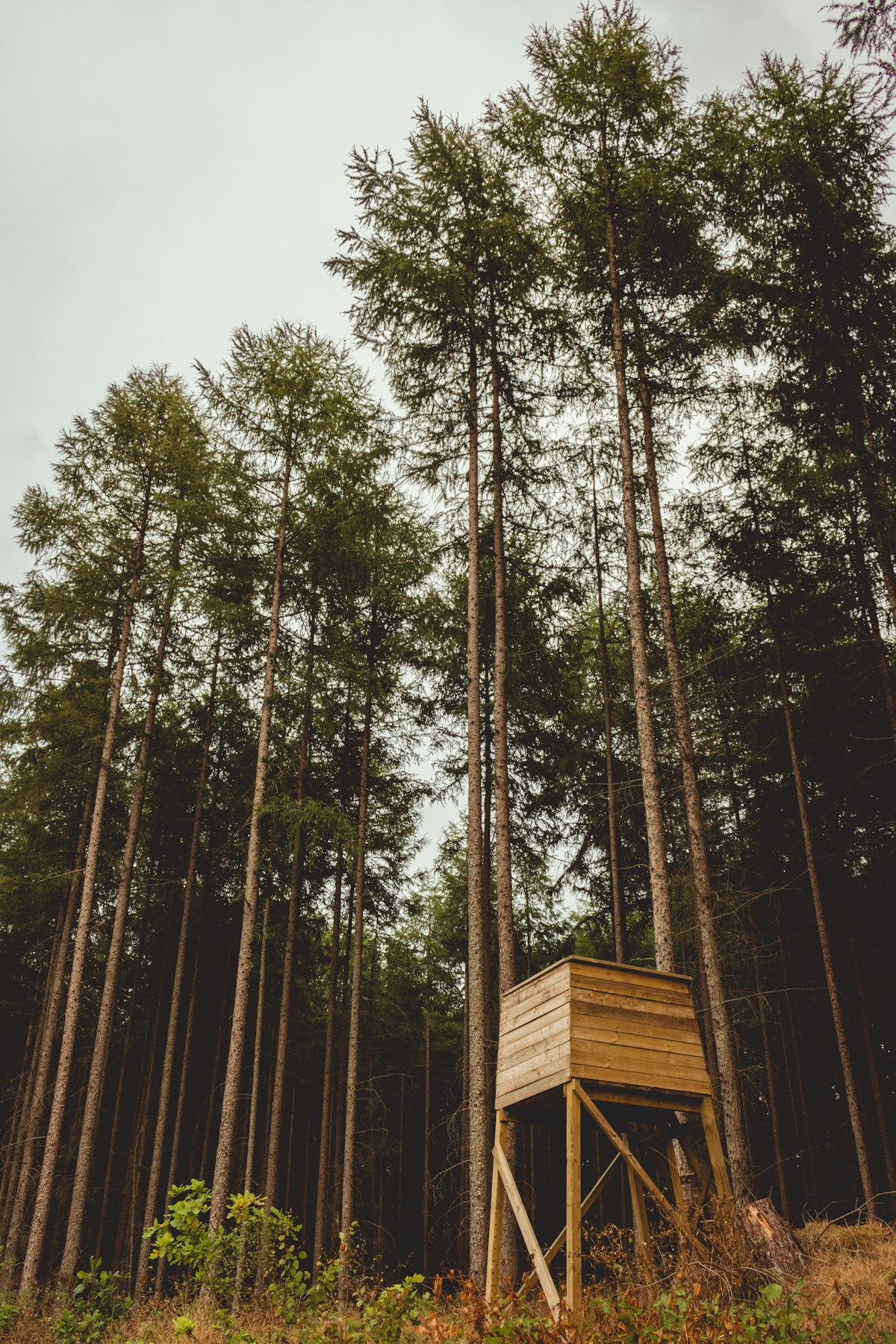
On flat agricultural leases — the kind that produces the biggest midwestern bucks — you often can't hang a stand because there's nothing to hang it on. Tower blinds solve that problem. They put you 6–15 feet in the air with a shooting house on top, covering open country that would otherwise require a treestand you can't build.
Where they excel on a lease:
- Open-field setups where ground-level shots across tall cover aren't possible
- Gun hunters who need 200+ yard shooting lanes
- Leases with no suitable tree locations near primary food sources
- Group hunting situations where multiple hunters need to cover a large field
Guide Gear 6-Foot Tripod Hunting Tower Blind — The accessible entry point to tower hunting. The 6-foot elevation gets you above tall grass and brush without requiring a crew to assemble. The tripod base is genuinely stable on flat ground (stake it down in soft soil). The attached blind section gives you 270-degree coverage and enough room for two hunters. Not as rugged as welded-steel shooting houses, but at this price point it outperforms everything else in its class.
Multi-Person Hub Blinds — The Right Call for Group Leases
If you're sharing a lease with two or three other hunters — common on larger acreage parcels — you'll eventually need a setup that fits more than one person without making everyone miserable. Multi-person hub blinds are built for exactly this.
Ameristep Care Taker Ground Blind — The Care Taker is the standard against which most mid-size ground blinds get measured. It fits two hunters comfortably with room for gear, and the steel-frame hub construction has held up for a lot of hunters over multiple seasons. The Mossy Oak camo pattern brushes in well with most hardwood and agricultural edge cover. This is the blind you set up at the start of season and leave in place.
Ameristep Brickhouse 3-Person Ground Blind — When your lease group is three hunters and a retriever, the Brickhouse is the move. Six shooting windows give everyone a lane. The dark interior keeps movement concealed even when three people are shifting around inside. It's bulky to transport, so plant it somewhere you intend to hunt all season rather than treating it as a mobile setup.
Blind Comparison at a Glance
| Blind Type | Best For | Mobility | Cost Range | Setup Time |
|---|---|---|---|---|
| Pop-Up Hub | Active hunting, pattern shifts | High | $80–$300 | 2–5 min |
| Spring-Steel | ATV transport, multiple setups | Very High | $60–$200 | 1–3 min |
| Box Blind | Permanent food plot setups | None | $800–$2,500 | Half-day |
| Tower Blind | Open fields, long-range shots | Low | $300–$1,200 | 1–2 hours |
| Multi-Person Hub | Group leases, long sits | Medium | $150–$400 | 10–20 min |
Blind Placement on a Lease: Getting It Right
The best blind in the wrong location is just expensive furniture. Before you set up anything permanent, spend time scouting your lease properly — cameras, wind mapping, and trail sign tell you where deer want to be, not where you want to hunt.
- Wind first, location second. Your primary entrance and the blind's shooting lanes both need to account for prevailing wind. Check the Field Ready Score on your lease's key locations before committing.
- Sun angle matters for visibility. For morning setups, face east-facing shooting lanes north or south — you don't want the rising sun blinding you at shooting light.
- Brush in pop-ups at least two weeks early. Native cover woven into the blind exterior matters less than most hunters think, but the human scent left during setup needs time to dissipate.
- Permanent blinds need lease permission. Before anchoring a box blind or building a shooting house, confirm your lease agreement permits permanent structures. This is one of the most common sources of landowner-tenant friction we see.
For a deeper look at reading a new lease property, see our guides on stand placement and wind strategy and the 6-week rut game plan.
The Bottom Line
Private-lease hunting gives you options that public-land hunters don't have — and blind selection is one of the clearest examples. You can afford to invest in a permanent box blind on your best food plot spot, run a network of pop-ups across secondary locations, and put a tower blind on that flat field edge that's been producing sign every year.
Don't treat blind selection as a one-time purchase. Treat it as a system that covers multiple situations across your entire lease property.
Looking for lease properties with the terrain that justifies the investment? Browse available hunting leases and use the lease price calculator to run the numbers before you commit. If you own land and want to turn your property into a productive lease, start here.