Disclosure: HuntLease is a participant in the Amazon Associates Program. We may earn a commission on qualifying purchases made through links on this page — at no extra cost to you. We only recommend gear we’d carry into the field ourselves.
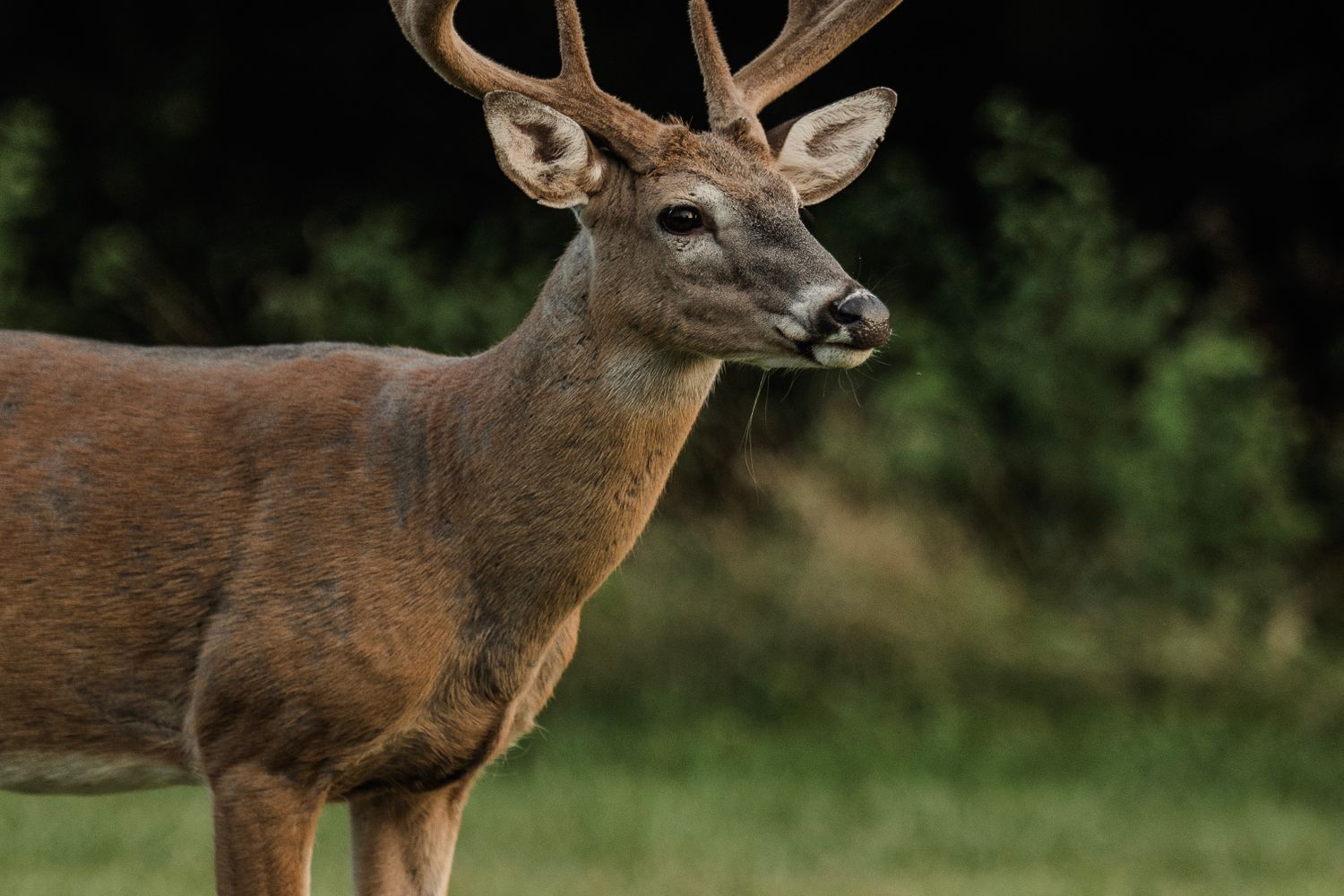
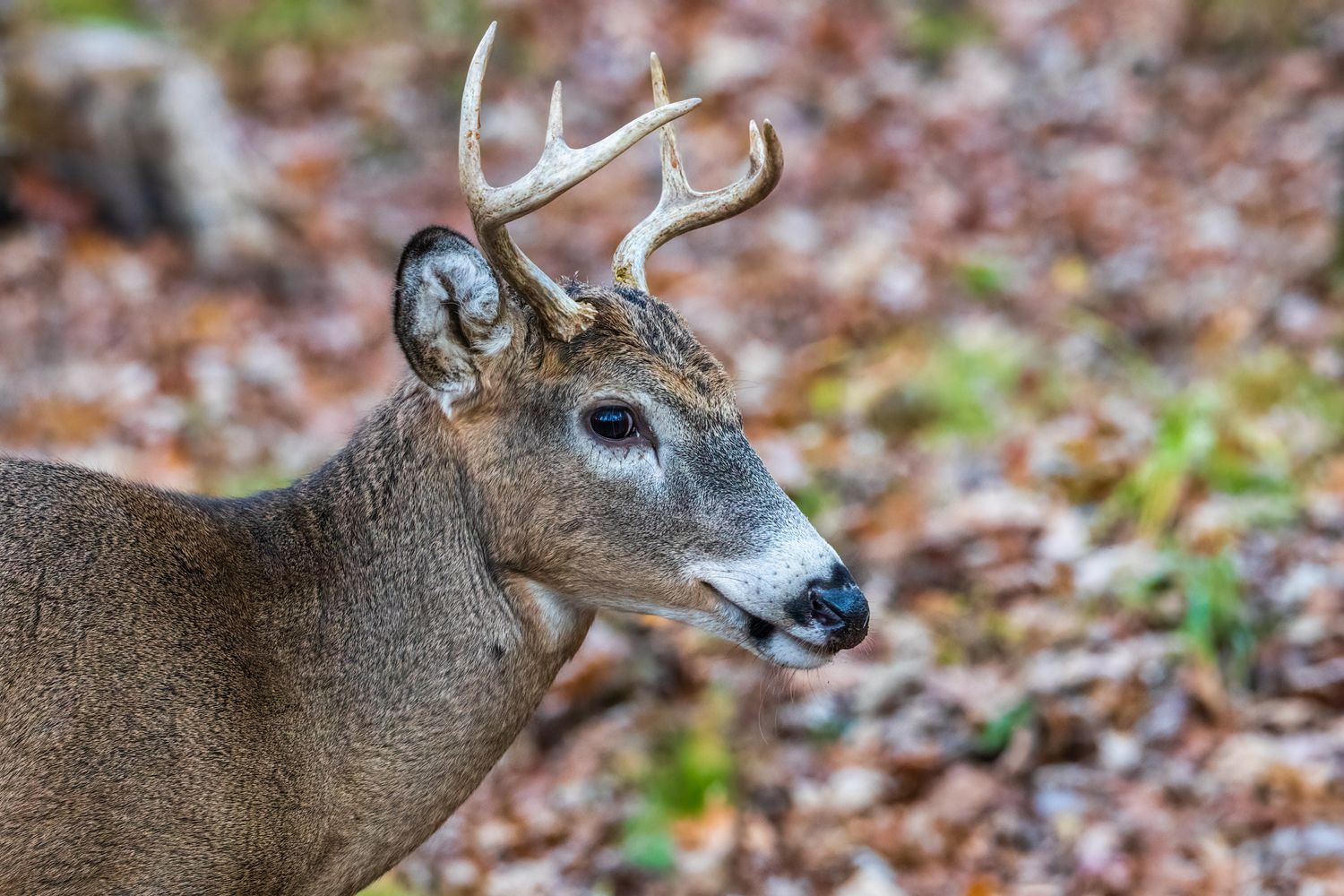
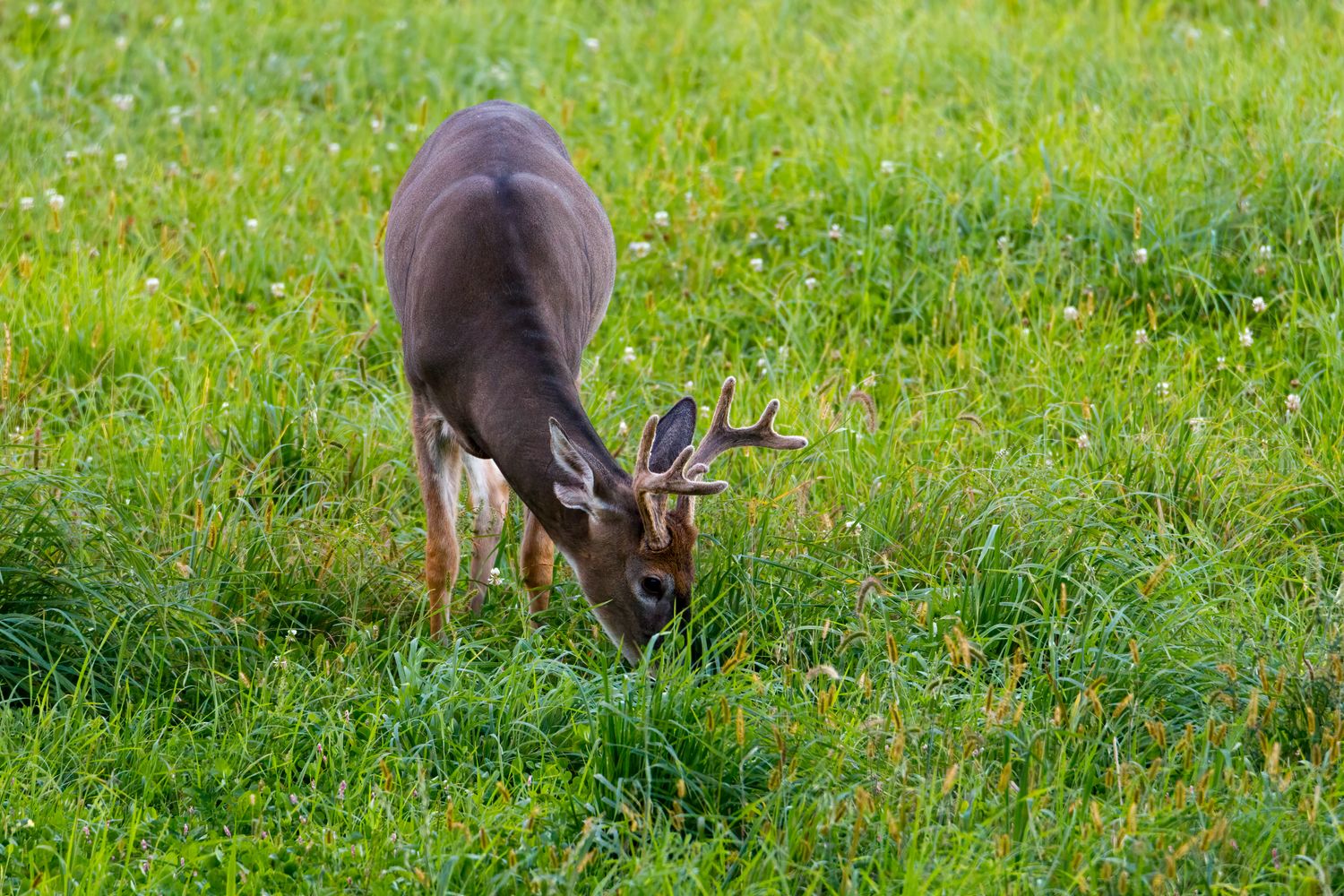
A good buck steps out of the timber into your lease’s bean field with 20 minutes of legal light left. He’s quartered away, feeding, oblivious — and you have no idea whether he’s at 180 yards or 260. Your scope is dialed for one of those numbers and dead wrong for the other. That single unknown is where a lot of lease hunters blow the best chance they get all season.
A rangefinding binocular fixes it. Instead of glassing with one tool, dropping it, and fumbling for a separate rangefinder while the deer walks, you glass and range through the same piece of glass with the press of a button. On the wide-open ag fields, cut-overs, and long power-line shooting lanes that make private leases worth paying for, that speed is the difference between a filled tag and a story about the one that fed off.
Below are the rangefinder binoculars we’d actually put in a bino harness this fall, plus an honest look at when you’re better off buying a good binocular and a good rangefinder separately. Every product here was in stock with a 4.0+ star rating and hundreds (or thousands) of reviews at the time of writing.
Why a rangefinding binocular earns its spot on a lease
Public-land hunters often hunt tight timber where everything is a 40-yard bow shot. Private leases are different. The whole reason you pay for exclusive access to ag ground, managed food plots, or a big clear-cut is that you can see — and sometimes shoot — a long way. That’s exactly the situation where guessing yardage falls apart:
- One tool, one motion. Spotting a deer and ranging it are two halves of the same job. A fused unit lets you do both without breaking your glass off the animal.
- Confidence on the long shot. Modern units read a deer-sized target out past 1,000 yards and give you the exact number, so you hold or dial with certainty instead of hope.
- Angle compensation for elevated stands. Ranging steeply down from a box blind or tower stand? The better units give you the true horizontal ("shoot-to") distance, not the longer line-of-sight number that would send your bullet or arrow high.
- Off-season scouting value. The same binocular you glass velvet bucks with in July becomes your ranging tool in November. It ranges reference points — that lone cedar, the corner post, the field edge — so on game day you already know the distances before a deer ever shows.
If you’re still deciding whether the ground you hunt (or the ground you own) justifies this kind of investment, our free lease price calculator is a quick way to see what quality access is actually worth in your region — and browsing live hunting lease listings shows what real long-shot ag and timber tracts are leasing for near you.
What to look for in a rangefinding binocular
Magnification and objective (10x42 is the sweet spot)
Almost every hunting-grade unit here is a 10x42: ten-power magnification with a 42mm objective lens. That combination pulls in enough light for the first and last ten minutes of legal shooting time — when deer actually move — while staying handholdable. Bump up to 12x or 15x and you’ll want a tripod; drop to 8x and you lose reach on those open fields.
Ranging distance: ignore the headline number
Manufacturers advertise the maximum range off a big reflective target (a hillside or building). What matters for hunting is the deer range — the distance it’ll consistently read a soft, non-reflective animal. A unit rated to "5,000 yards" will typically range a deer out to roughly a quarter of that, which is still far more than any ethical shot. Treat the big number as a durability-of-signal cushion, not a promise.
Angle compensation and ballistics
At minimum you want angle-compensated (true horizontal) distance for stand hunting. Step-up units add ballistic solvers that spit out a holdover in inches, MOA, or MIL for your exact load — genuinely useful if you shoot longer, but not something a 150-yard timber hunter needs to pay for.
Glass, display, and the rest
You’ll look through this thing far more than you’ll range with it, so the binocular half has to be good glass, not an afterthought. A red OLED display reads better at last light than a black LCD. And because it lives on your chest through rain, brush, and dropped-pack abuse, insist on fully waterproof, fogproof, rubber-armored construction. A good bino harness keeps whichever unit you choose glued to your chest and out of the dirt.
The best rangefinding binoculars for 2026
Best all-around: Vortex Fury HD 5000 10x42
If you want one do-it-all unit and you can stomach the price, the Vortex Fury HD 5000 10x42 (about $949) is the one we keep coming back to. The HD glass is genuinely excellent for glassing, the red OLED display is crisp in low light, and it ranges reflective targets out to 5,000 yards — meaning a deer at any realistic distance reads instantly. It gives you both line-of-sight and angle-compensated distance, is fully waterproof, and is backed by Vortex’s no-questions-asked lifetime VIP warranty, which matters a lot on a $900 piece of electronics that lives outdoors. With 4.8 stars across hundreds of reviews, it’s the safe premium pick. (If you shoot long and want an onboard ballistic solver, Vortex also makes an Applied Ballistics "AB" version of this unit.)
Best value fused unit: Astra Optix 10x42 (2,600-yard)
Not everyone can drop a grand on optics, and the Astra Optix 10x42 rangefinding binocular (around $449) delivers the fused-unit experience for roughly half the money. You get 10x42 HD glass, a fast 0.1-second read with ±1-yard accuracy, built-in ballistics, and an HD display — ranging out to 2,600 yards on reflective targets, which is plenty for whitetails. It won’t match the Fury’s edge-to-edge glass or warranty, but with a 4.1-star rating over 200-plus reviews it’s a legitimately capable unit and the easiest way to get one-tool convenience without the flagship price. This is the pick for the hunter who’s sold on the concept but not ready to spend big.
Can’t justify a fused unit? Buy the pieces separately
Here’s the honest truth a lot of gear roundups skip: a good rangefinding binocular costs $450 to $1,000+, and for many lease hunters that math doesn’t pencil out. The good news is you can cover the same job — quality glass plus reliable ranging — for a fraction of the price by buying the two tools separately. You give up the one-motion convenience, but you keep a lot of cash and end up with two proven pieces of gear. Here’s the pairing we’d build.
The glass, on a budget: Vortex Crossfire HD 10x42
The Vortex Crossfire HD 10x42 (about $149) is one of the most-reviewed hunting binoculars on the market for a reason — nearly 4,000 reviews at 4.8 stars. It punches well above its price with sharp HD glass, a rugged waterproof/fogproof body, and the same lifetime VIP warranty as the Fury. Pair it with the rangefinder below and you’ve got a glass-and-range kit for well under $250.
The glass, stepped up: Vortex Diamondback HD
Want noticeably better light transmission and resolution for those first-and-last-light minutes? The Vortex Diamondback HD (8x42) (around $239) is the natural step up — brighter, crisper glass in the same tough, tripod-adaptable package, with over 1,500 reviews at 4.8 stars. The 8x42 gives you a slightly wider, steadier field of view for scanning big fields; it also comes in a 10x42 if you want maximum reach. Either way it’s a lot of binocular for the money.
The ranging: Gogogo Sport Vpro GS24
For the ranging half, the Gogogo Sport Vpro GS24 (about $100) is a runaway best-seller — over 9,000 reviews at 4.4 stars. It ranges to 1,200 yards, has 7x magnification, offers angle-compensated slope mode for shots out of an elevated stand, and includes a continuous-scan mode for following a moving deer. It’s marketed for golf and hunting, but the slope function and price are exactly what a whitetail hunter needs. Clip it to your bino harness next to your binocular and the "separates" kit is basically as fast as a fused unit once you build the habit.
Fused unit vs. separates: which is right for you?
Quick decision guide:
- Buy a fused unit if: you hunt wide-open ag or long shooting lanes, you take (or want to take) shots past 200 yards, you value doing everything through one piece of glass, and the budget is there. Start with the Fury HD 5000, or the Astra Optix to save money.
- Buy the pieces separately if: most of your shots are inside 200 yards, you’re price-sensitive, or you already own a binocular you like and just need ranging. The Crossfire HD (or Diamondback HD) plus the Gogogo GS24 covers it for a third of the cost.
There’s no wrong answer — both put an accurate number on the deer before you shoot. The fused unit just does it faster and costs more.
Getting the most out of it on your lease
Whichever route you go, the gear only pays off if you’ve done the homework. Spend your summer glassing sessions ranging the reference points you’ll actually use — field corners, that lone tree, the far fence — and jotting the numbers on a stand card so you’re not ranging (and moving) when a buck is already in the field. Our guide to scouting a new lease this summer and our buck-patterning playbook walk through how to turn those glassing sessions into a real shot plan.
Optics are just one line on the pre-season checklist. Use the HuntLease Scouting tools and the Field Ready Score to time your sits around deer movement, and if you’re a landowner sitting on the kind of long-sightline ag ground that makes a rangefinder binocular worth owning, that same ground is worth real lease income — see what it could earn on the landowner page and price it with the lease calculator. Rounding out the kit? Our ultimate optics guide and trail camera roundup cover the rest of the glassing-and-scouting setup.
Frequently asked questions
Are rangefinding binoculars worth it for deer hunting?
If you hunt open ground and might shoot past 150–200 yards, yes — the speed of glassing and ranging through one tool genuinely helps you make a cleaner shot before a deer moves off. If your shots are almost all short-range timber or bow work, a plain binocular plus a $100 rangefinder does the job for far less.
How far will one actually range a deer?
Expect roughly a quarter of the advertised "reflective" maximum on a live, non-reflective animal. A unit rated to 5,000 yards will read a deer well past 1,000 yards; one rated to 2,600 will comfortably cover any ethical whitetail shot. Both are far more than you’ll ever need.
Do I need the angle-compensation (ballistic) feature?
Angle compensation is worth having if you hunt from elevated box blinds or tower stands, because it gives you the true "shoot-to" distance instead of the longer line-of-sight number. A full ballistic solver that spits out holdovers is a nice-to-have for long-range shooters, but overkill if most of your shots are inside 200 yards.
What magnification should I get?
10x42 is the all-around whitetail standard — enough reach and low-light performance for open fields while still being handholdable. Choose 8x42 if you want a wider, steadier field of view for scanning; save 12x-plus for tripod glassing of big country.
Ready to hunt ground worth glassing?
The right optics only matter if you’re hunting ground with the sightlines to use them. Find long-shot ag fields, cut-overs, and managed tracts near you in the HuntLease listings — or, if you own that kind of ground, run the numbers with our free calculator and list it for lease income. Then get out there and put a real number on that buck.
Last updated: August 2026. Prices and availability change — verify current pricing and stock on the product pages before buying.